Lockdown wildlife.

First I hope you are all keeping well and safe where ever you are in the world. Here in the north of Ireland we are back in a four week lockdown but we can still go out to exercise. So when the weather allows I pack the camera and head for the coast. I’m lucky that I have some great mud flats where the sea birds and wading birds feed within a 30 – 40 minutes drive. So the following photographs have been taken over the last few weeks along the County Down coast. Most of them have been shot with a Nikon D750 camera fitted with the Sigma 150 – 600 mm telephoto lens, some handheld and others using a tripod fitted with a gimble head. The following link is a great site for bird information here in Ireland and the UK. https://www.rspb.org.uk/birds-and-wildlife/wildlife-guides/bird-a-z/curlew/

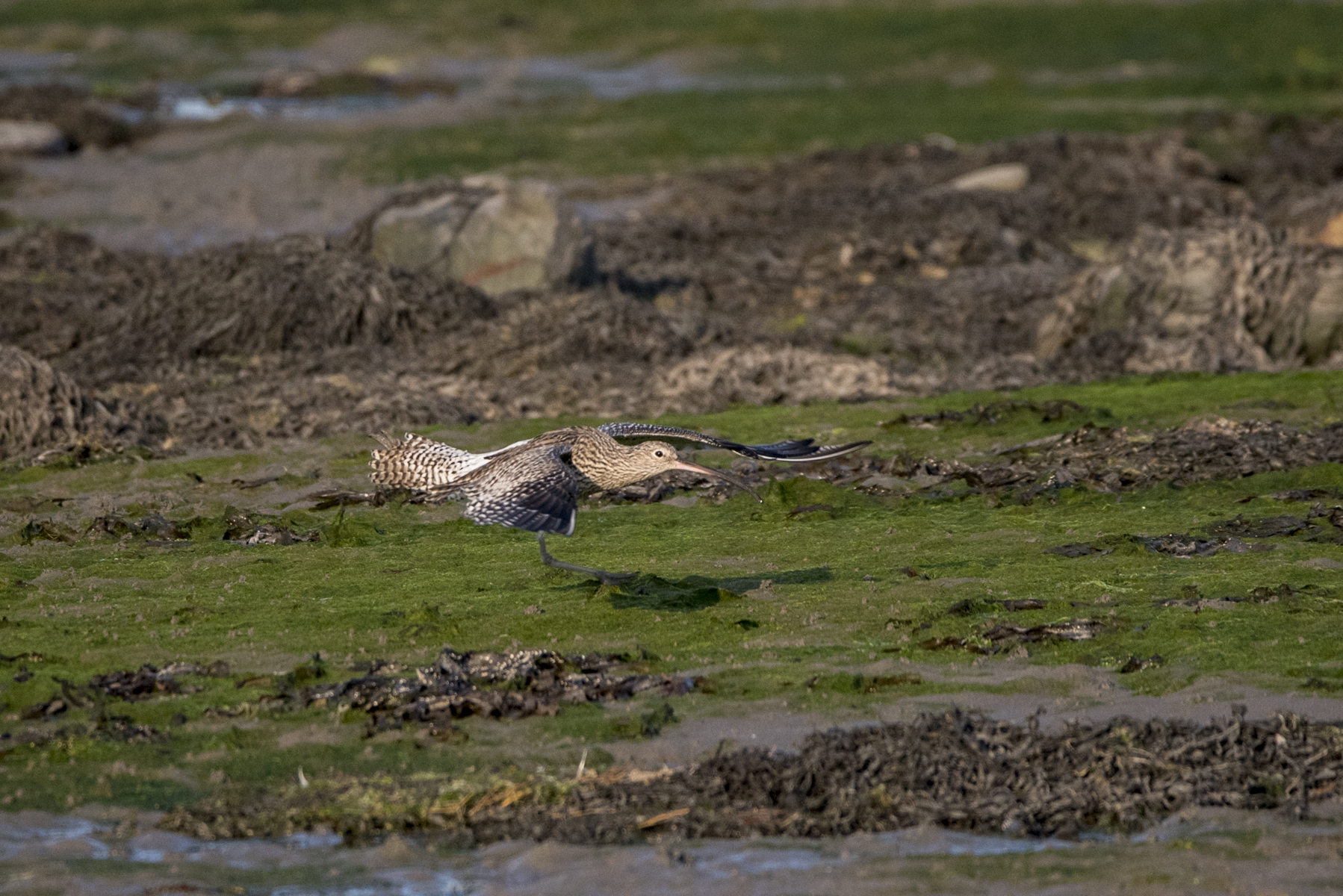
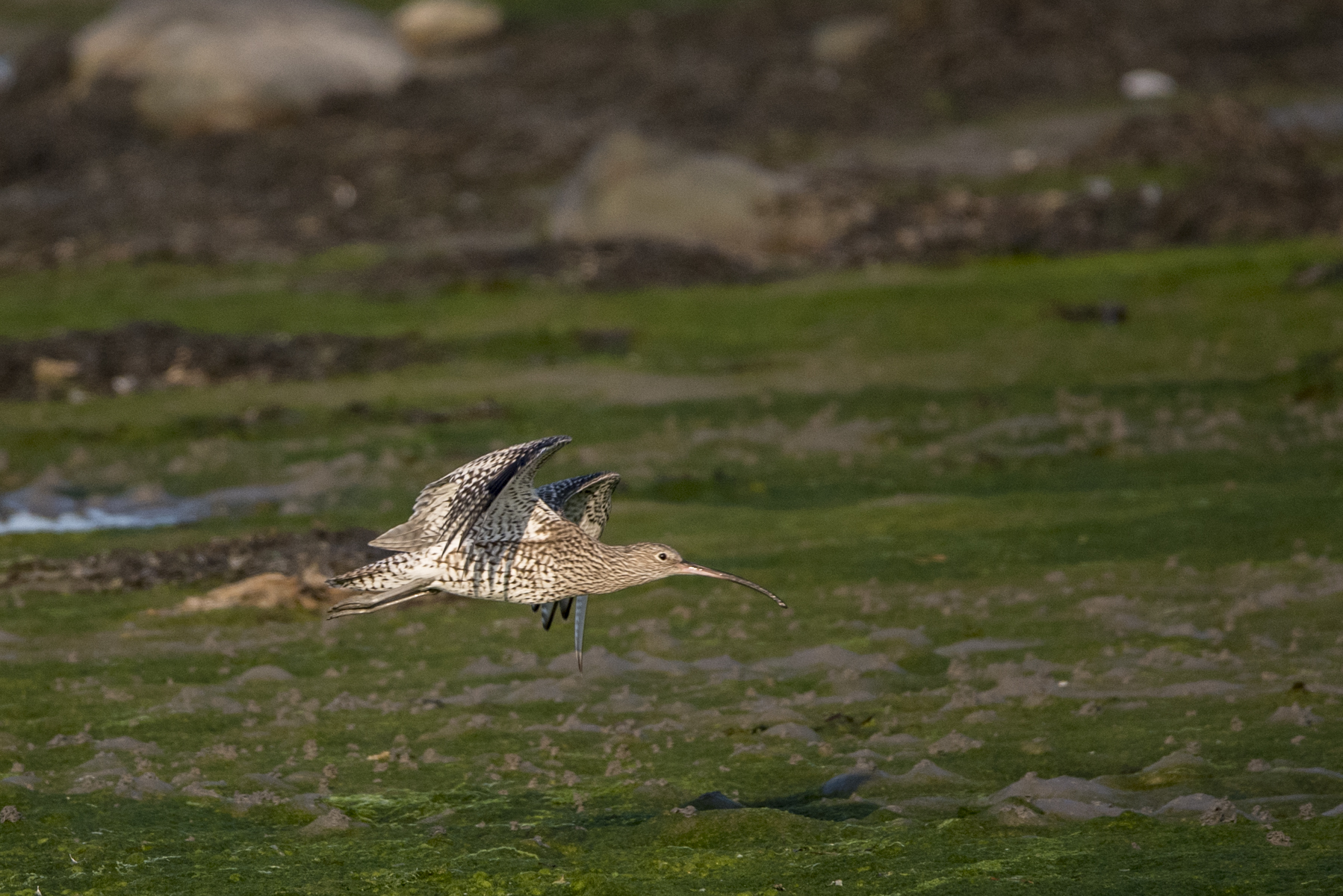
The above is the Curlew ( Numenius arquata) taking off , great fun to watch has they sprint up to take off speed.
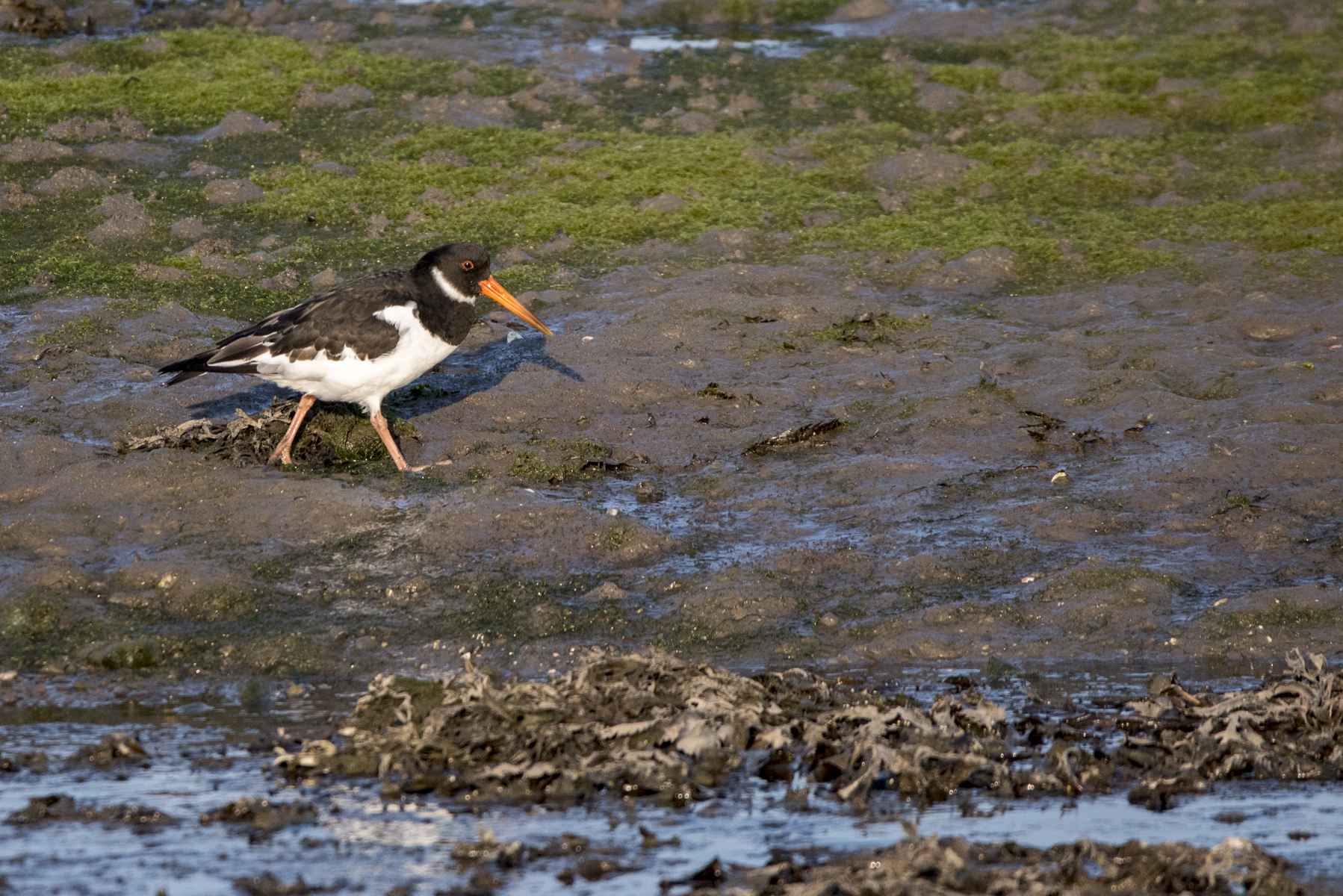
Here we see the Oystercatcher (Haematopus ostralegus) it’s a very distinctive bird with it’s bold black and white plumage, orange beak and legs but most of all that blood red eye.

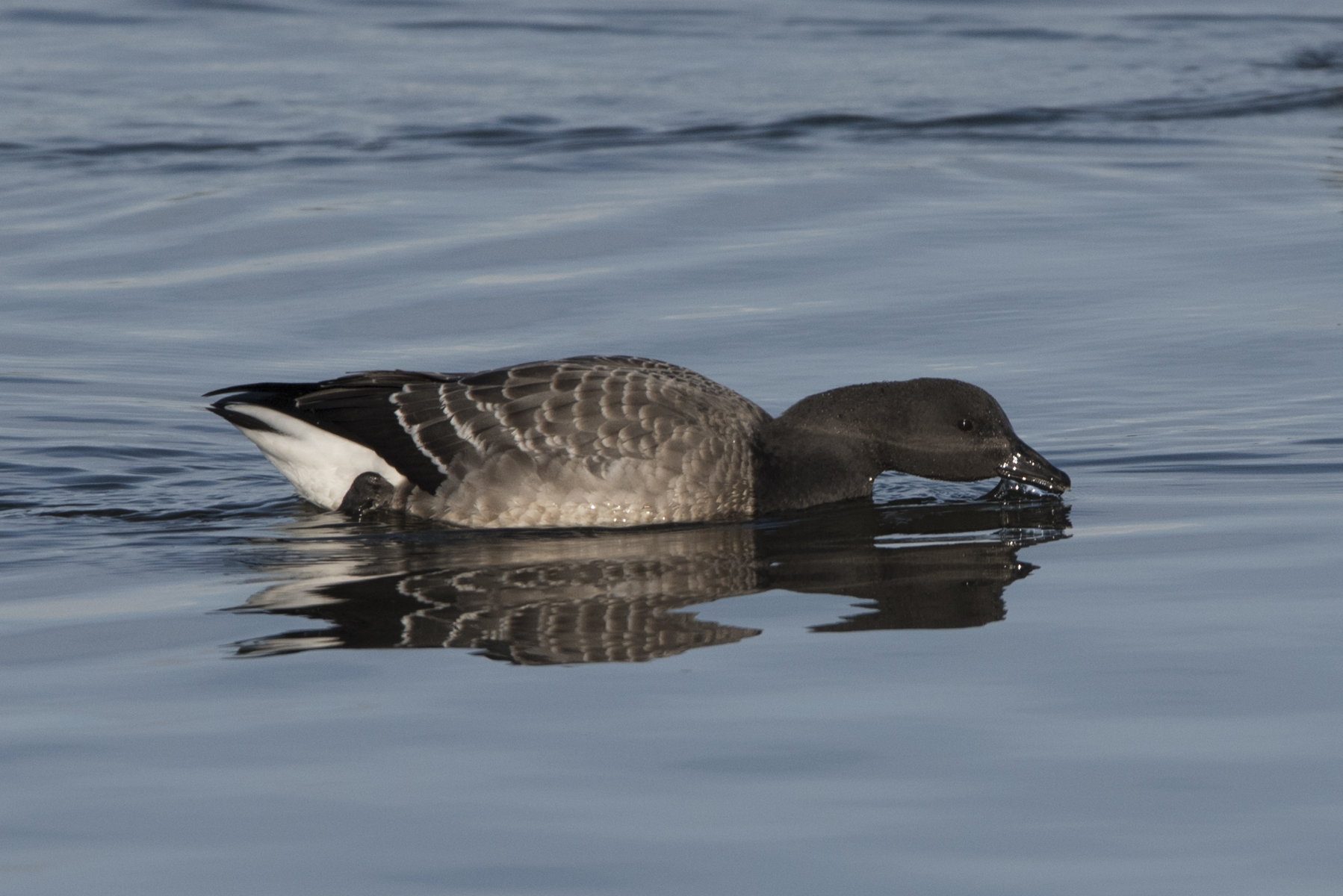
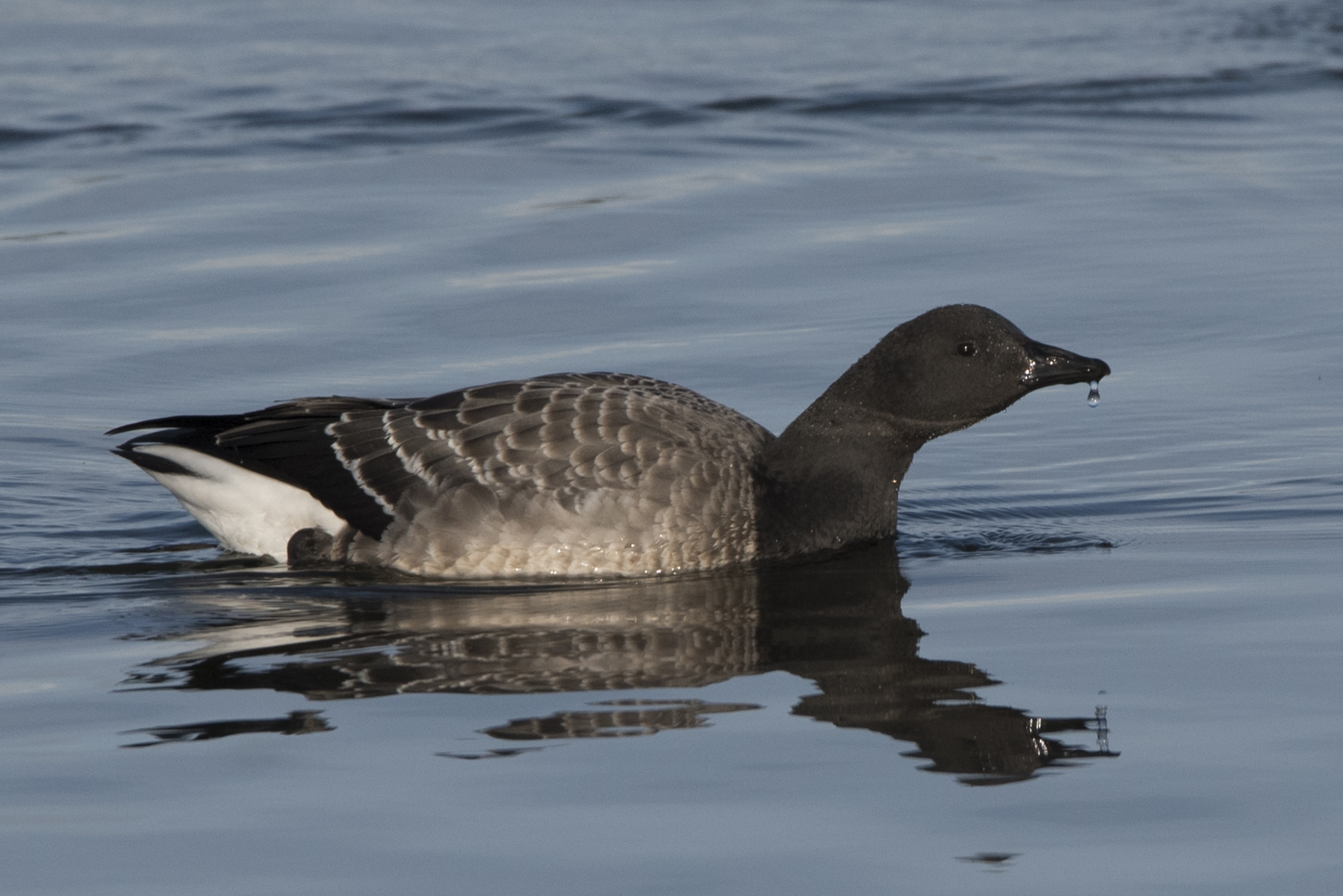
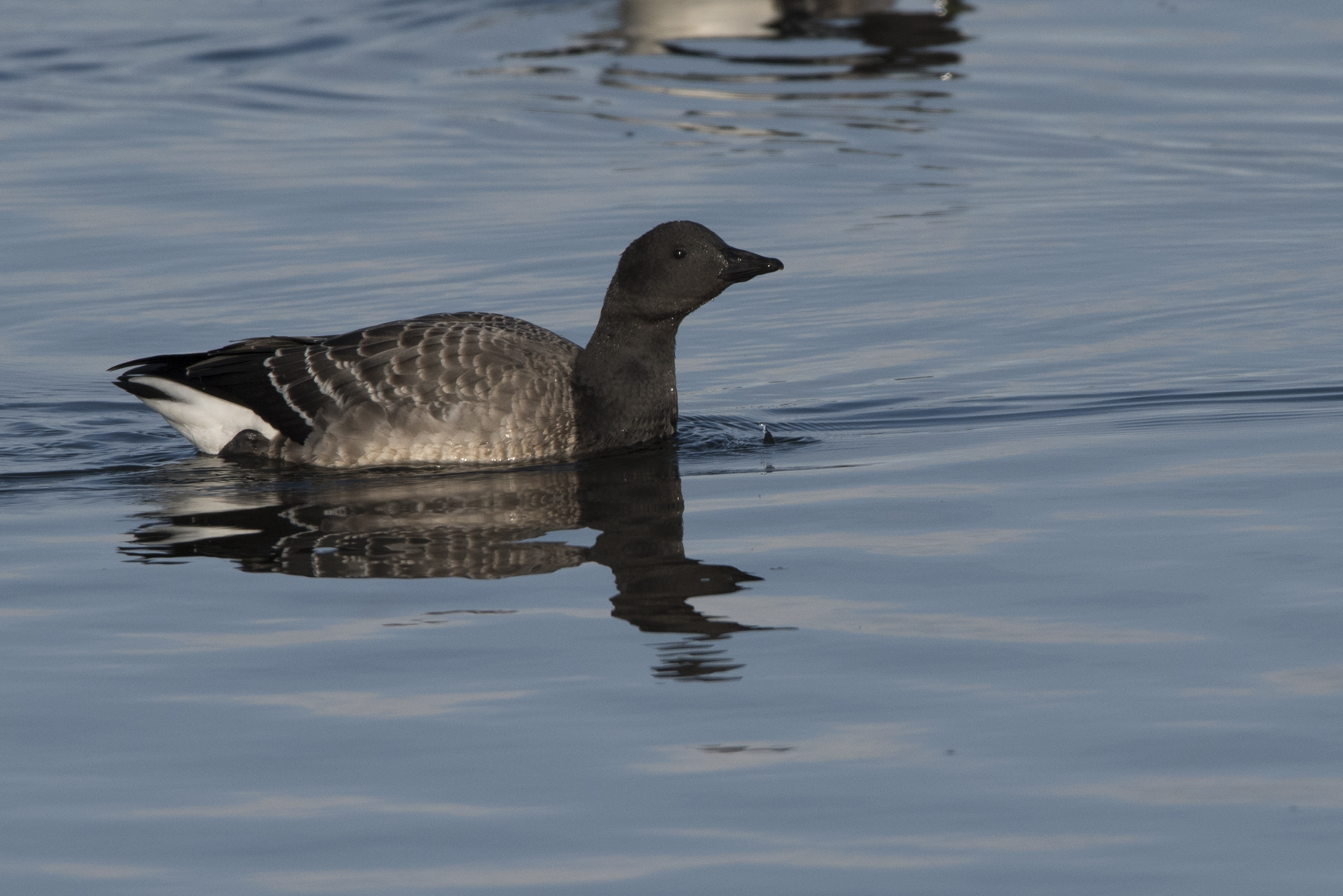
Next the Brent goose ( Branta bernicla) This small goose  is similar in size to a mallard duck. Can be hard to get good photographs with the eye showing because of the dark coloured neck and head. With the setting sun behind me it was just right this evening. They are always in a flock and the on singled out here is seen drinking.

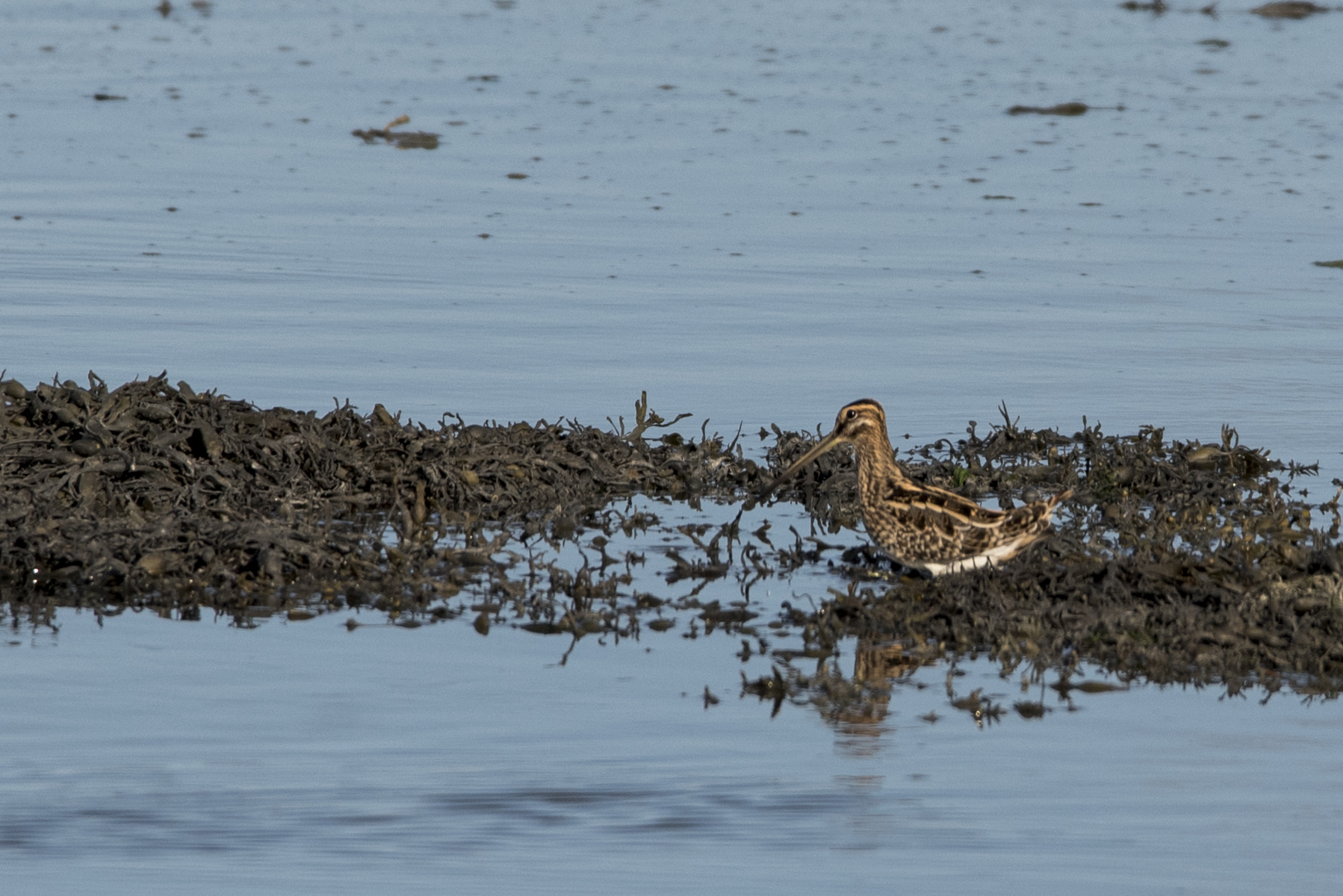
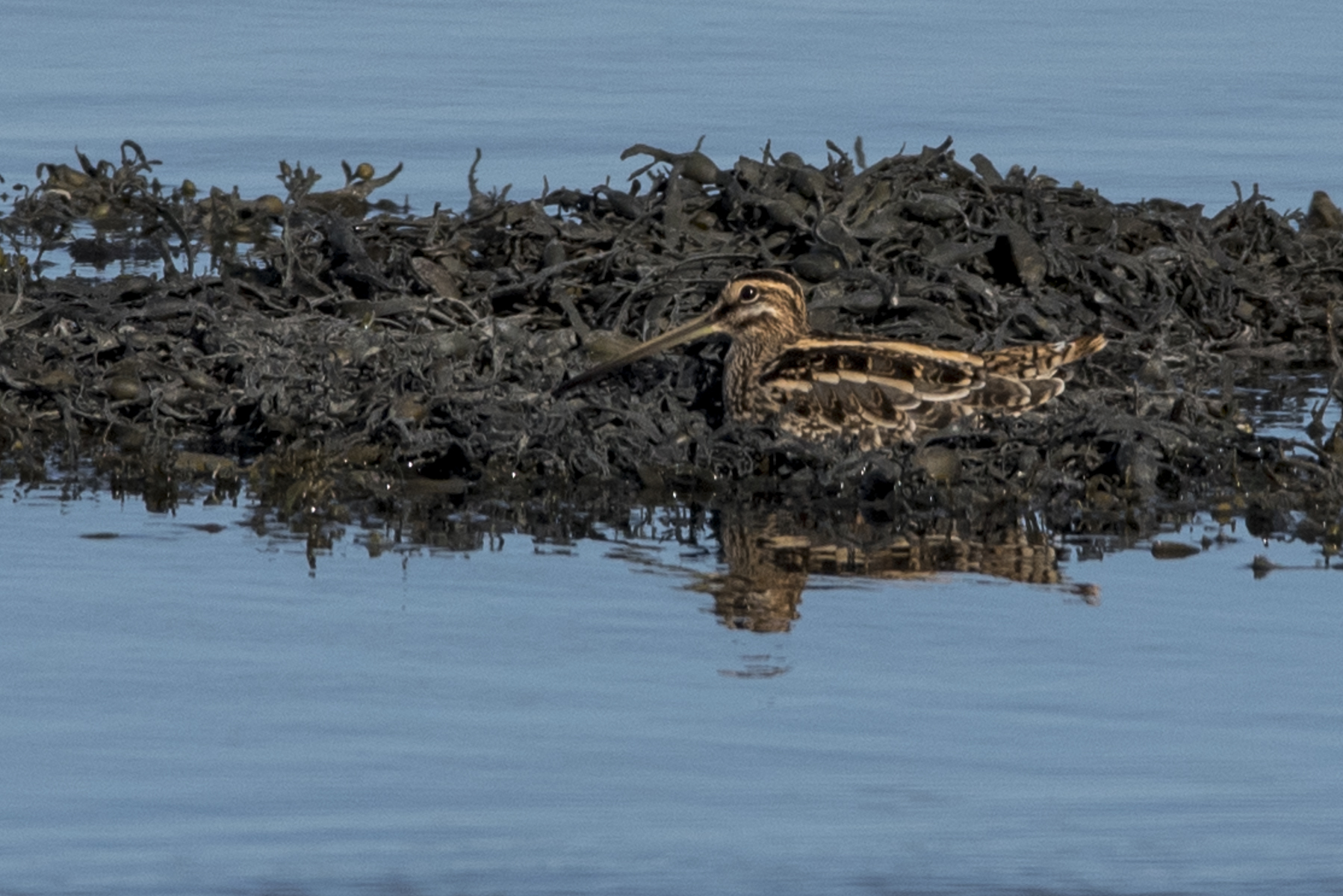
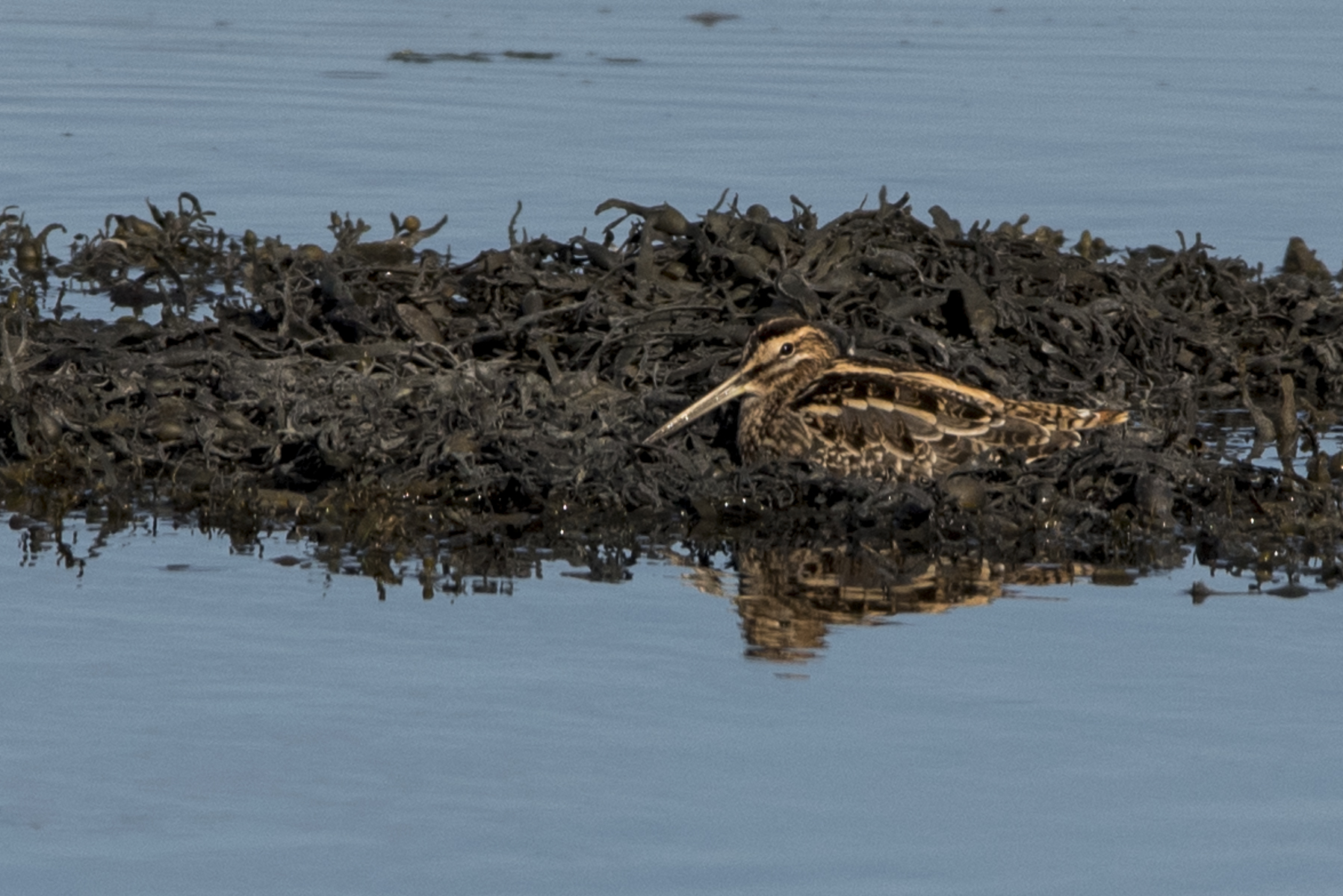
The Snipe(Gallinago gallinago) this is a bird that is getting rare to see here, it’s numbers have declined over the years. When I was a kid at school ( a long time ago) these where common and seen over most marshes daily. I was surprised to see two of them together. The Brent geese disturbed them and these one flew closer to me and nested down into the seaweed.

The Redshank (Tringa totanus) gets it’s name from it’s most distinctive features, their bright orange-red legs. I find these are one of our most common birds along this part of the coast. They can be found in large flocks or today just a few feeding on the incoming tide.

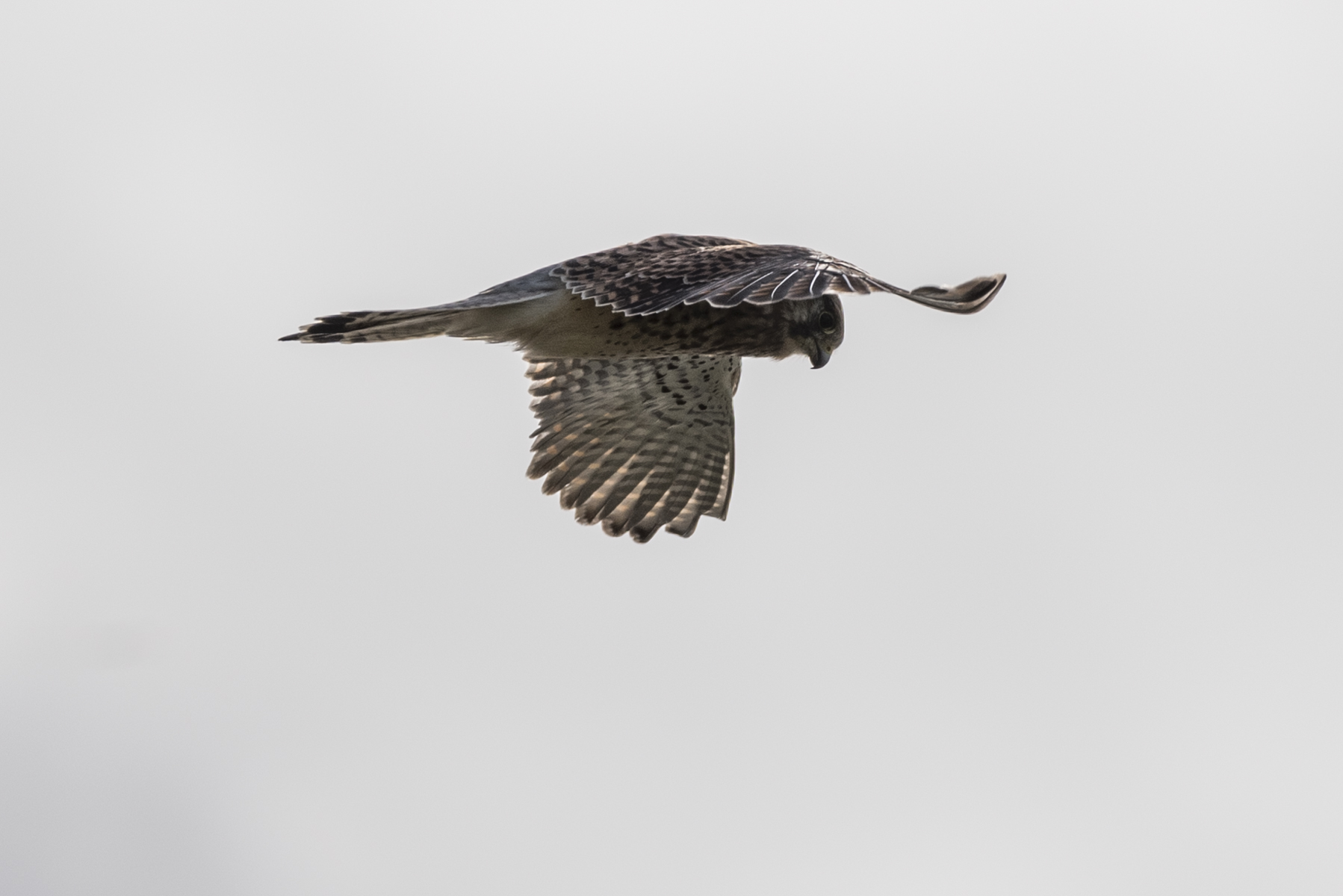
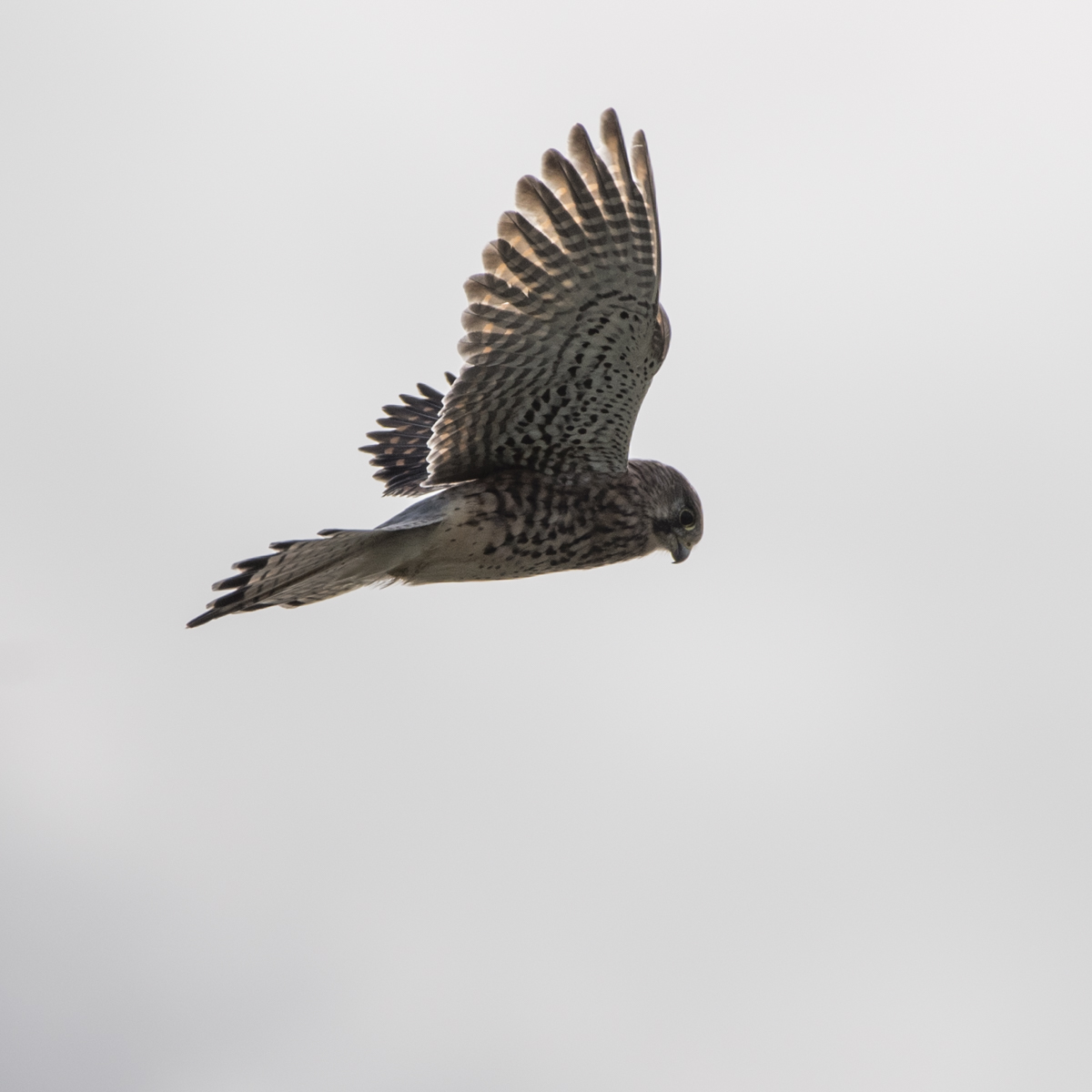
The next photographs where taken from my van when I saw this Kestrel just for the road side. I pulled over and shot a few frames before it moved off.

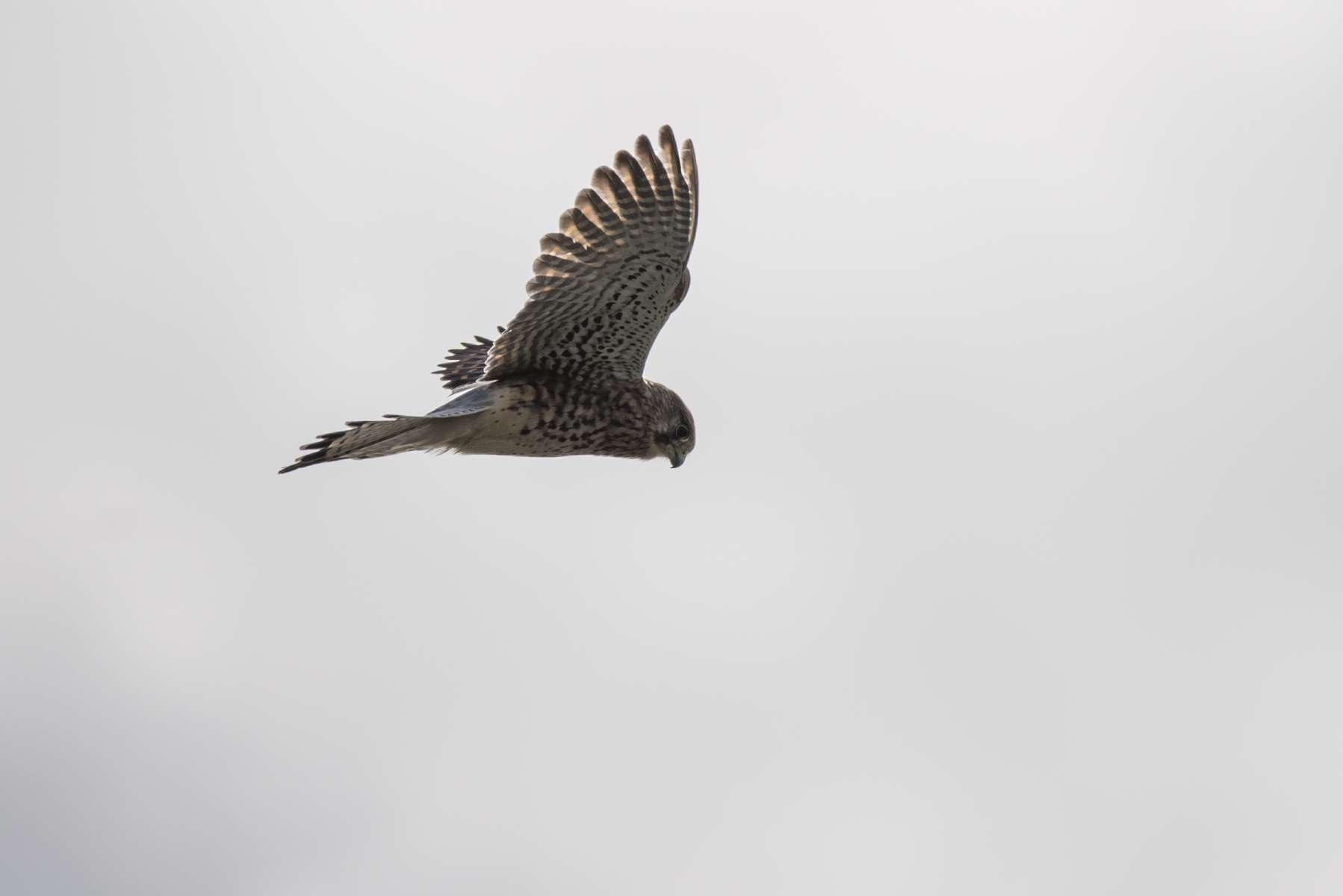
Kestrel (Falco tinnunculus) these are a small falcon and are often seen as here along the road sides hovering looking for small prey.

The colour is a little weak in these photographs of the Kestrel with the bright sky behind them but since they were part of the coast outings I included them.

Thank you for visiting and I’ll leave you with a image of Portaferry across Strangford lough.

Brent geese with Portaferry in the back ground and Windmill hill on the right.

George.

Black & White Wednesday.

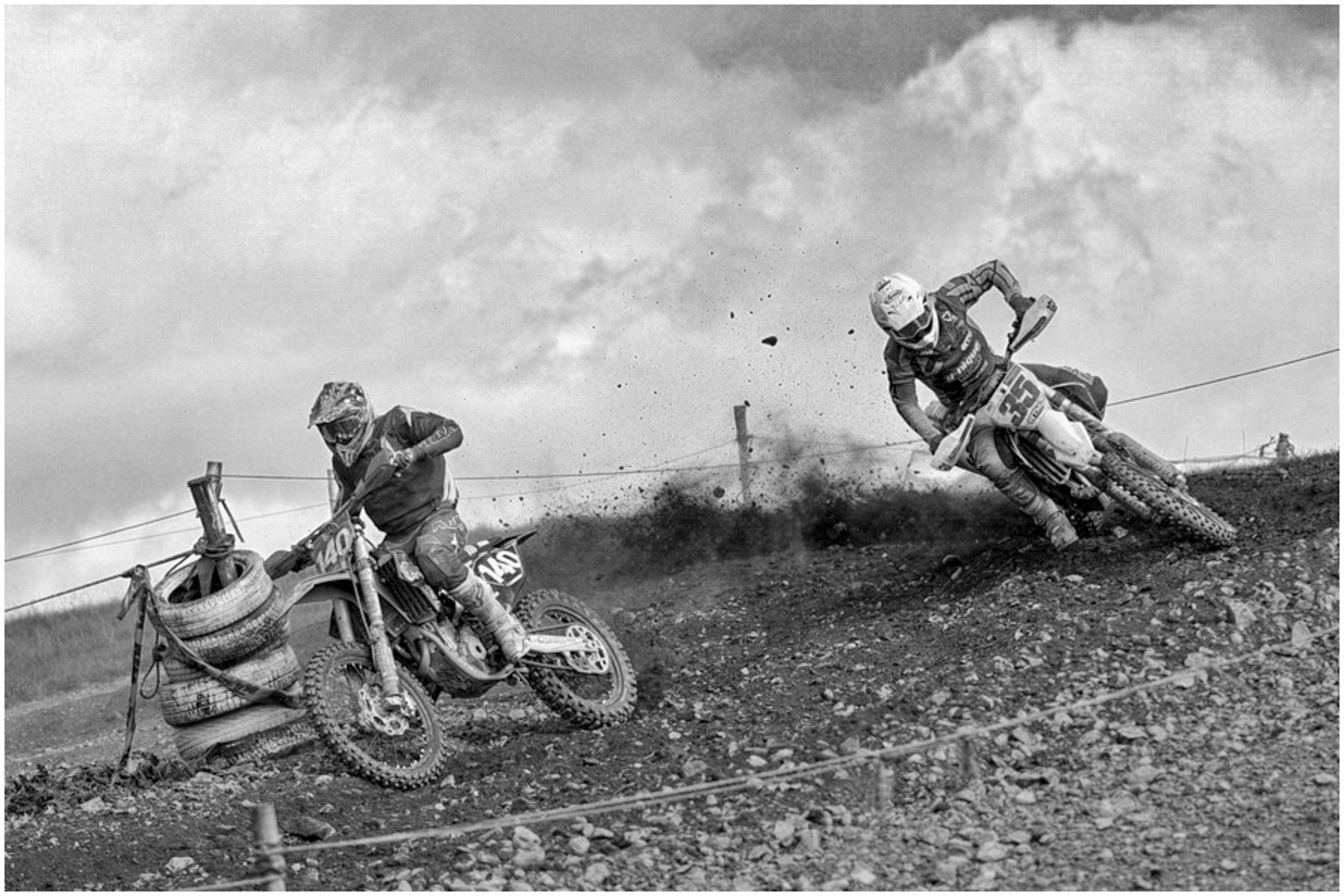
This week I jumped into my time machine and went back to September 2018. A time you could go out among people, enjoy a coffee with someone and if someone coughed it didn’t even register with you. So this shot was taken at an Irish moto-x Championship round. It was held at the Laurel Bank circuit near Saintfield, County Down, Northern Ireland. A quick word with the clerk of the course and I had permission to access parts of the course closed to the public. This gets you closer to the action but still staying a safe distance should something go wrong.

Laurel Bank Moto-X circuit.
Eating dirt..

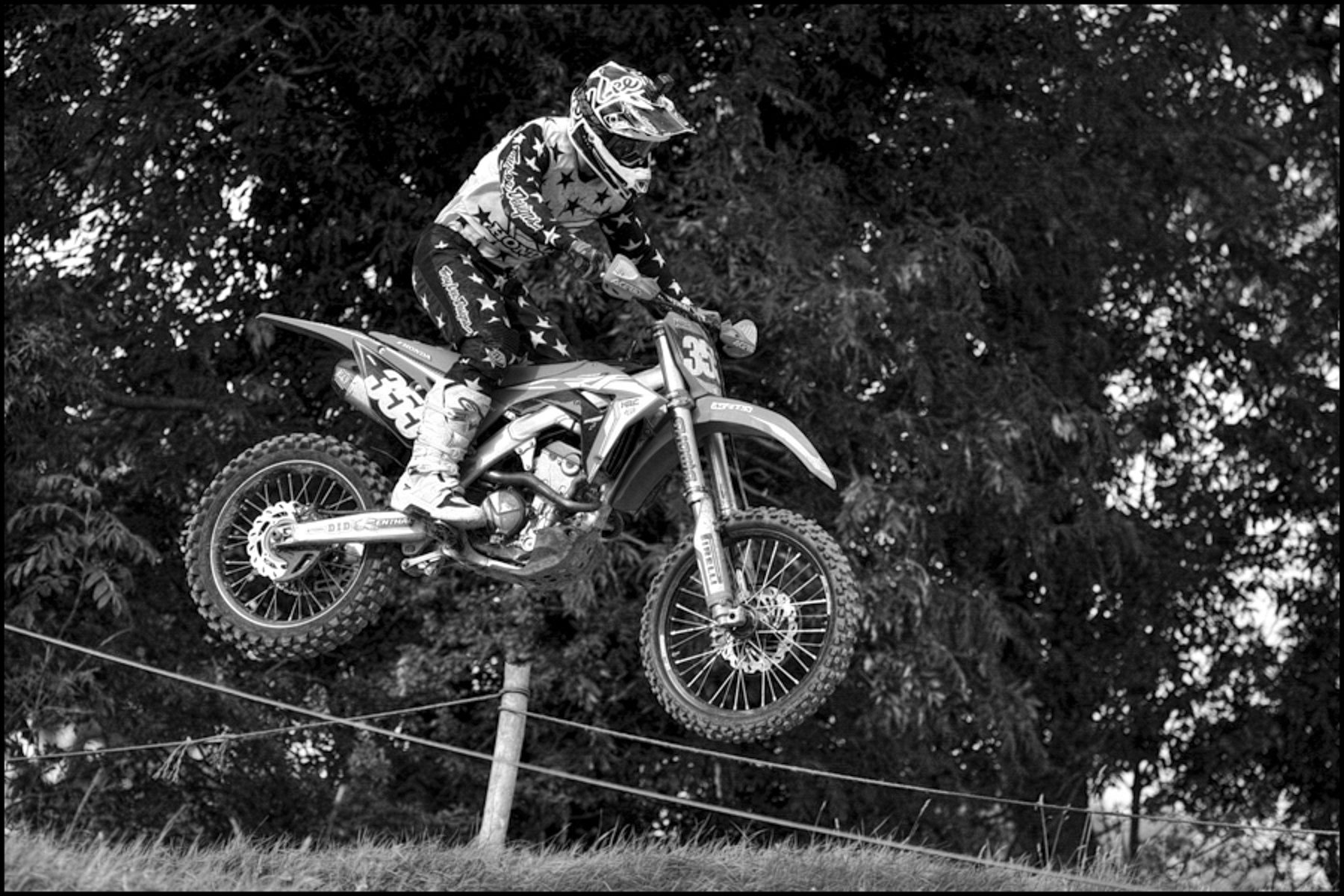
Thank you for traveling along with me, here’s one more from the day.

Air time.

Stay safe and thank you for visiting.

George.

Camera : Nikon D750 with a Sigma 150-600 mm telephoto lens.

Data for first photograph: 1/3200 sec @ f/3.2 : ISO 400

Lens focal length : 150 mm

Black & White Wednesday

Had a few days break from work and was happy the sun decided to shine those few days. So I spent one of them at a few spots along the County Down coast. The tide was out and I was not counting on much wildlife on the mudflats. But the day left me with some grand photographs. So todays image is one of a Little Egret (Egretta garzetta) fishing in a fresh water stream that runs out through the mudflats.

Little Egret: Egretta garzetta

So it turned out a enjoyable day and may you all enjoy your day.

George.

Camera: Nikon D750 with a Sigma 150-600 mm lens

Data: f/6.3 @ 1/2000 sec: ISO 360, focal length 600 mm

Black & White wednesday

This week we’re off to the coast and a small black and white bird called a Pied wagtail (Motacilla alba) is the subject. They are a common bird here in Ireland and the UK and can be seen all year round. They can be found almost any where, from coast to city centres. When standing they frantically wag their tail up and down or dashing across the ground in search of food.

Pied Wagtail (Motacilla alba).

Camera: Nikon D750 with a Sigma 150-600 mm lens

Data: 1/800 sec @ f/6.3: ISO 320

Lens focal length: 600 mm

Stay safe,

George.

Black & white Wednesday

This weeks photograph come from the town of Trim in County Meath, Ireland. It was taken on my mobile/cell phone which is something I rarely do. Trim is around two and a half hours from my home and it being a warm September day I had to get out on my motorcycle. Trim has a lot of history and I’ll put a link at the bottom of the post for anyone interested.

The photograph is off the bridge over the River Boyne. The bridge is claimed to be the oldest in Ireland but there are others that claim the same title.

River Boyne, Trim, County Meath, Ireland.

Trim History: https://en.wikipedia.org/wiki/Trim,_County_Meath

Thank you for visiting.

Stay safe,

George.

Black & White Wednesday

This weeks photograph is Lambeg parish church. It sits on the banks of the River Lagan a few miles from Lisburn. The first church dates back to 1598 with the possibly of one going as far back as 1306.

The oldest tome stone found in the graveyard dates back to 1626.

History link: http://www.s118536411.websitehome.co.uk/churches/Lisburn-churches/lambeg-parish-church.html#:~:text=HISTORY%20%2D%20Lambeg%20Parish%20Church,the%20tower%2C%20was%20completely%20rebuilt.

Camera: Nikon D7200 with a Sigma 17 – 70 mm lens

Data: ISO 100, f/16 @ 1/2 second

Focal length 17 mm.

Thank you and stay safe,

George

Black & white Wednesday

I took this photograph of Max about 4 years ago when I lived in County Monaghan here in Ireland. We would go on early morning walks around some of the local lough’s. He was in need of a trim has his wet muddy hair shows this up here. Just look at his face, eager to get back moving through the fields.

Wet and muddy, a happy dog.

Hope he is still enjoying his walks, been a few years since I last seen him.

Take care and stay safe.

George.

Photo data: Nikon D7200 with a Sigma 17 – 70 mm lens.

1/100 sec @ f/4: focal length 70 mm : ISO 400

Black & White Wednesday

Going for gunpowder, another photograph from Castle Espie. On the way through the woods we passed the old gunpowder store. nothing would do but a look insider. Not sure if he found any and there was nothing on the evening news. So all good.

The gunpowder store Castle Espie.

I normally post one photograph each week on B & W Wednesday but this week I am posting another from Castle Espie. A view across Strangford lough to Scrabo Tower. I meant to post this with another view across Strangford lough I posted a few weeks back.

Looking across Strangford lough to Scrabo Hill.

Some info below:

https://www.wwt.org.uk/wetland-centres/castle-espie

http://celtandkiwi.com/scrabo/

Thank you for dropping by.

George.

Black & White Wednesday

Another photograph from a trip to Castle Espie with my grandson Conor. This was taken where they have raised ponds planted out to suit different wildlife. Along the edges there are signage with drawings and the names of what lives in the ponds. So this is me getting a lesson on the newt tadpole that can be found in this pond.

Newt Tadpoles live in here.

Info: https://www.wwt.org.uk/wetland-centres/castle-espie

Camera: Nikon D7200 with a Sigma 17 – 70 mm lens.

Data: Shot at f2.8, ISO 125 @ 1/1600 second and lens focal length 70 mm.

Thank you for visiting.

George.

Black & White Wednesday

In parts of Ireland people believe that the spirits of the dead still live within the ruins of their homes.

Who am I to disagree with them. This shot taken through a gap in the trees with a telephoto lens and shows a small stone homestead with out houses built onto the main house. It possibly had a thatched roof when built and since this is hill country it would have been hard to live of the land here. Today it’s mostly sheep on the hills with some cattle on land that has been cleared and reseeded for better grazing.

The spiky looking plants in the foreground is soft Rush. these use to used for light at night in poorer house holds. Here is a link to there use: https://www.libraryireland.com/SocialHistoryAncientIreland/III-XVII-9.php

Camera :Nikon D7200 . Lens : Sigma 150-600 telephoto.

Data: ISO 500, f9 @ 1/250 second. Focal length 240 mm.

Thank you for visiting.

Stay safe,

George.