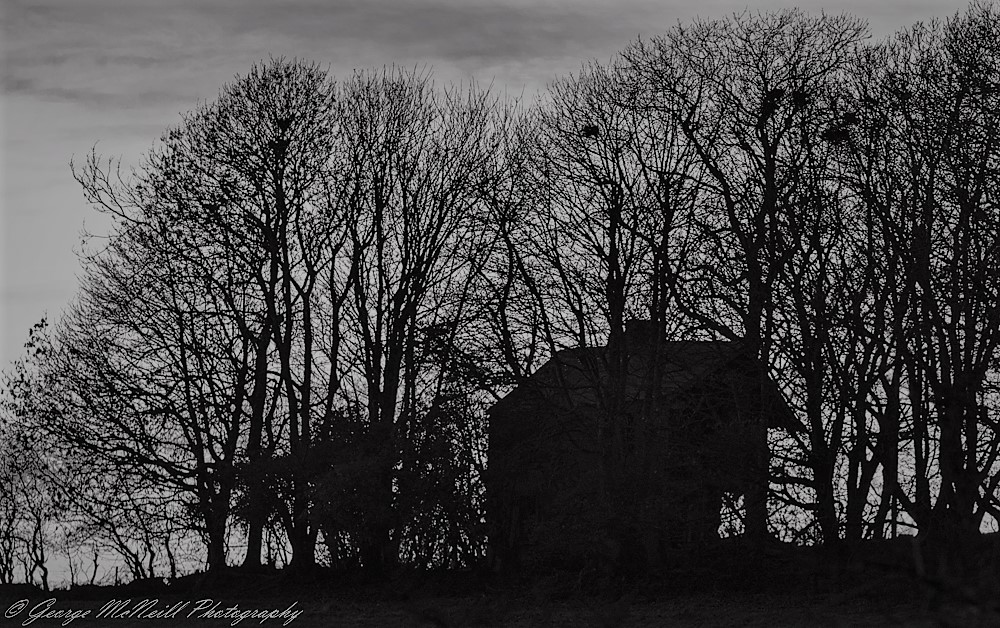
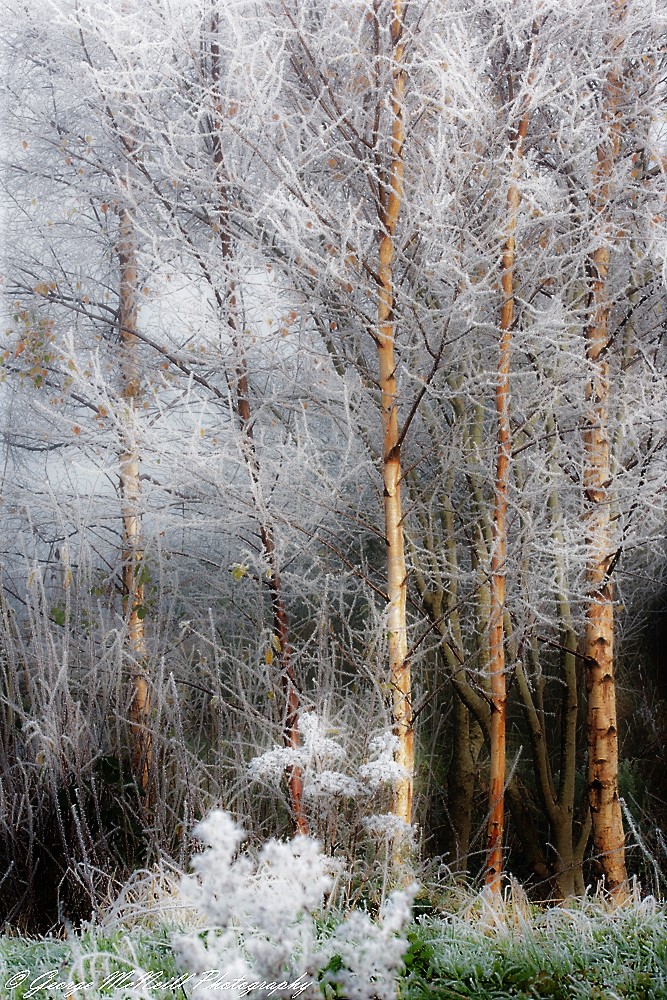
First Posting in a couple of years.

There as been a few changes in my life over this last couple of years, changes where I stepped back from posting. Taking time to look after myself from the stress of my employer moving me to a different location to work. I survived and retired in December 2024.

So my first post is about volunteering with the RSPB as a Conservation Officer on The Northern Ireland Red Kite Project.

These birds were reintroduced back into the north of Ireland in 2008 with young birds from Wales. 2010 saw the First Red Kites to hatch in Northern Ireland in 200 years.

They are monitored most of the year, Winter means being out in all weathers till dark doing Roost counts. These birds like some other birds of prey are social and roost in groups, first we need to find the roosting sites. Then count how many are there, This information is relayed back from all the volunteers from different roosts. it gives an indication of how many are in the area.

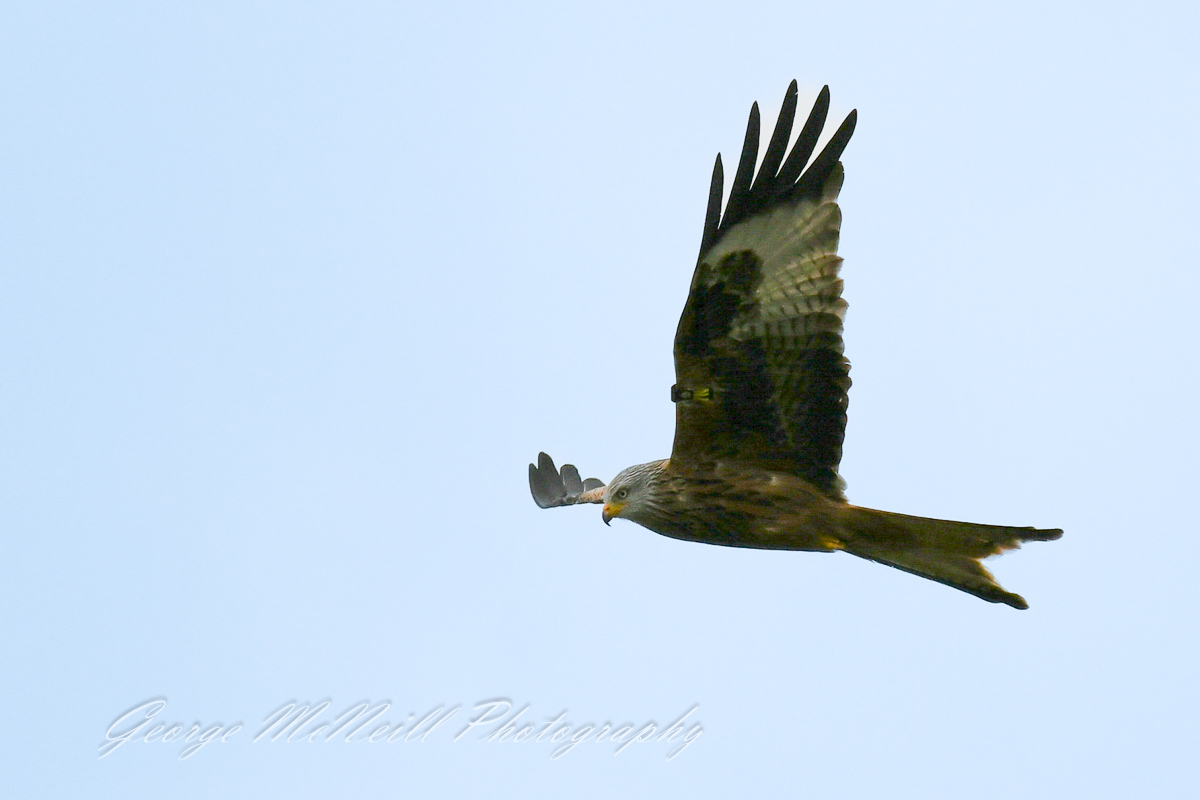
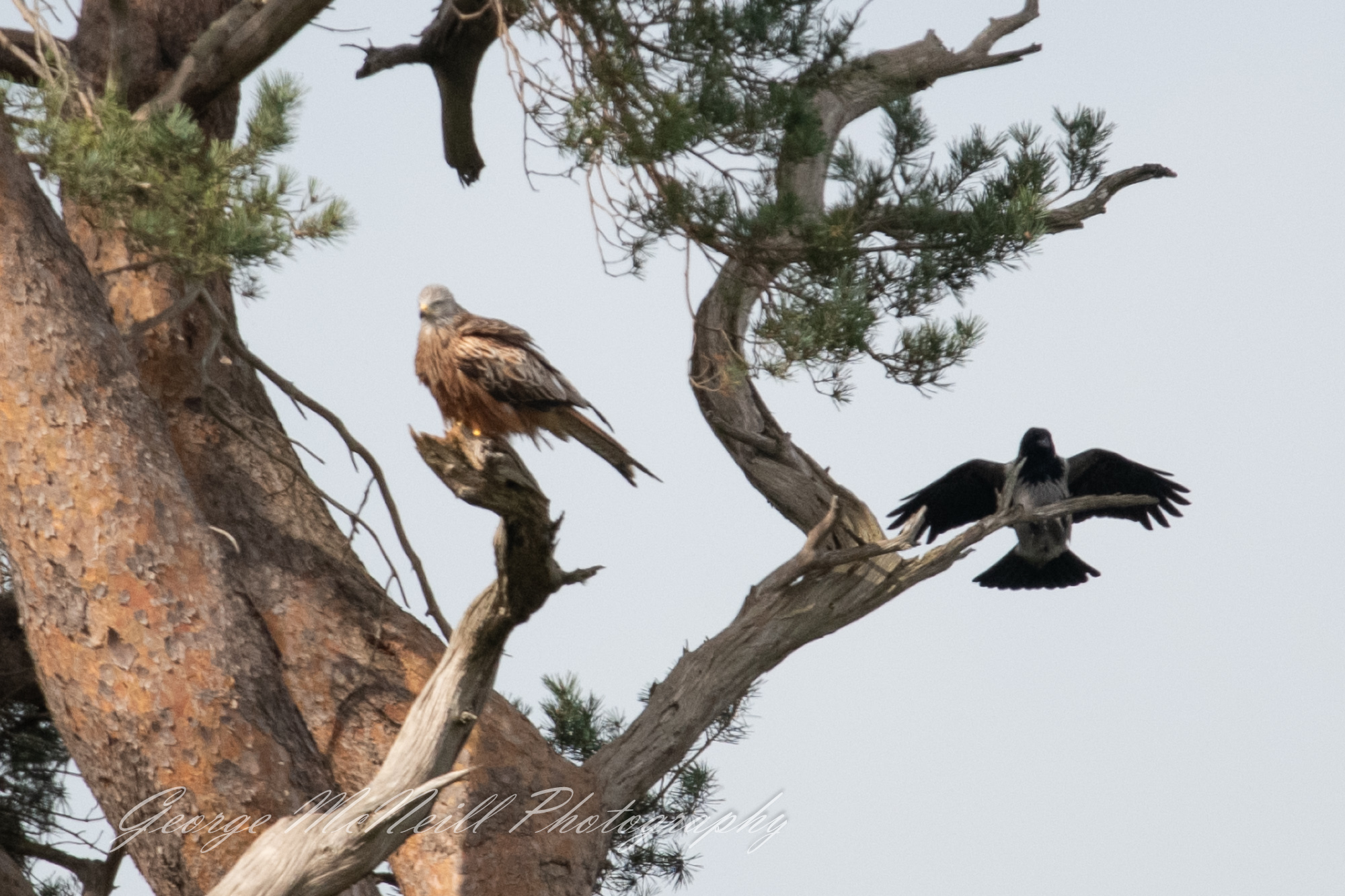
Red Kites hunting for food.

You can see in the above photos wing tags on some of the birds, brown tags on the left wing means it a Northern Ireland bird. The colour tag on the right wing gives the birth year, there are numbers and letters on the tags which help in with nest and year information. Also you can see the forked tail from which it gets it name.

Next comes Spring and nest building time. Red kites mate for life and will reuse the same nest if they were successful in rearing a family in it the previous year. But if unsuccessful will move to a new nest site. This becomes race to find them before the trees get their leaf covering. Plus we get help from the public who report possible nest sites. We monitor the nest for the sight of chicks, when they are five to six weeks old the identification tags are fitted to the wings and leg. you have to be licensed to handle and tag these birds.
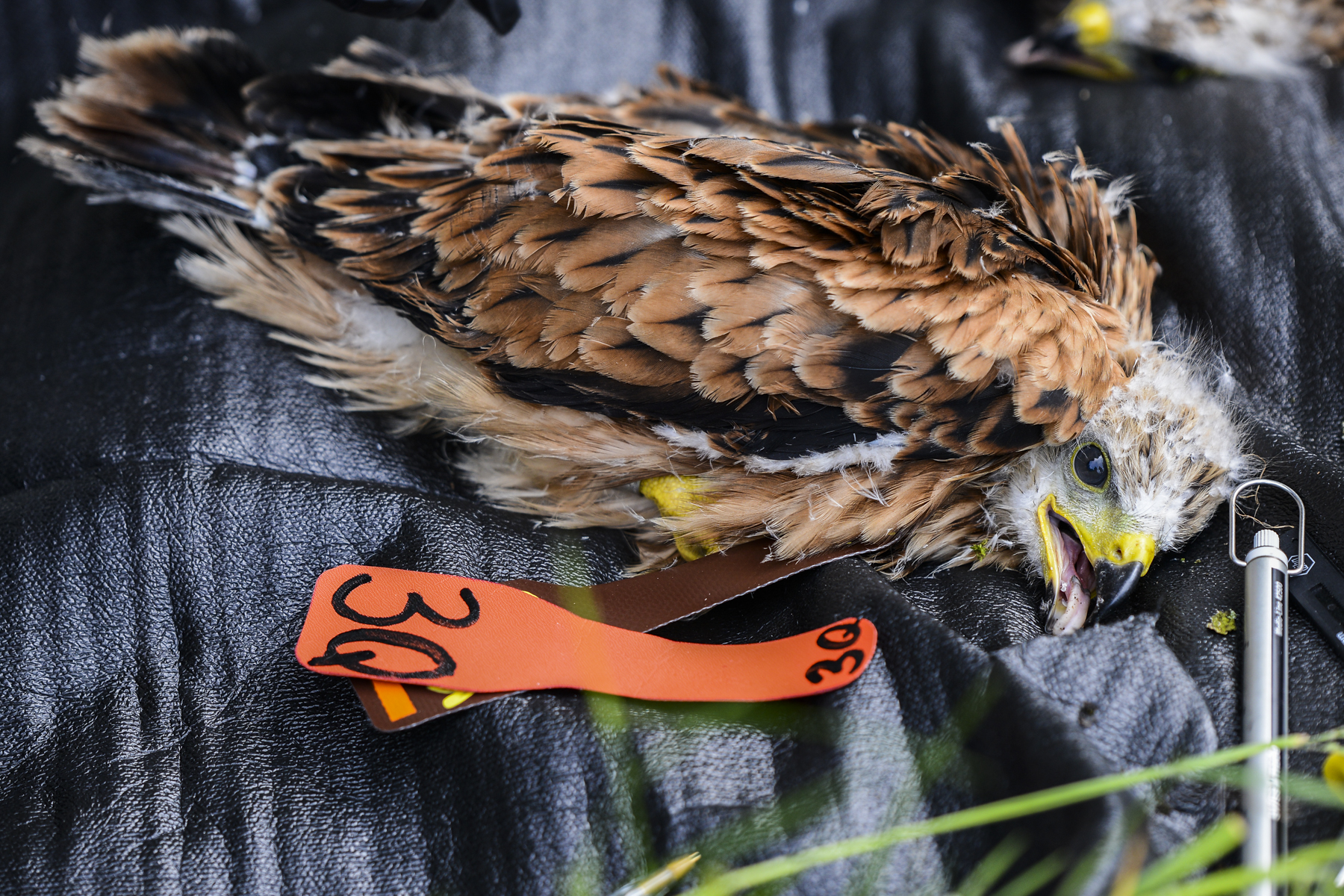
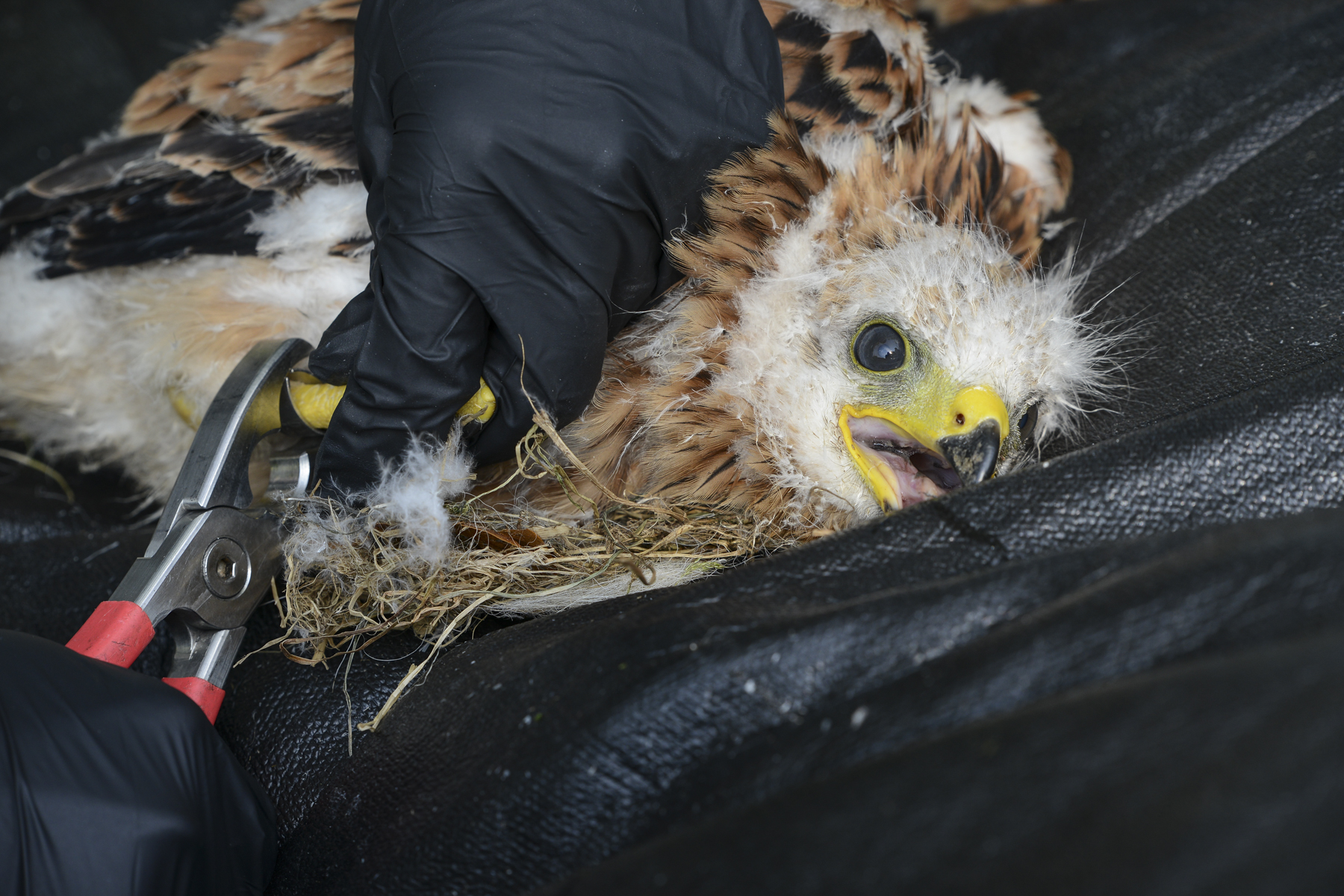
Young Red Kite waiting to be tagged While in the other photo it’s getting a leg ring fitted. Notice the young birds just stay still, they play dead.

I will give some measurements and weight for adult birds .

Length: 60-66cm or 23-26 inches

Wingspan: 154-170cm or 60-67 inches

Weight: 750-1600g or 1.6-3.5 pounds

We watch the young Kites getting stronger by the week as they lose their down for full feathers, flapping their wings to build strength for flight. Once flying juveniles move on after four weeks.

Its at this time we get a short break before autumn arrives and the dark evenings. Time to warp up warm and look forward to roost counting season.
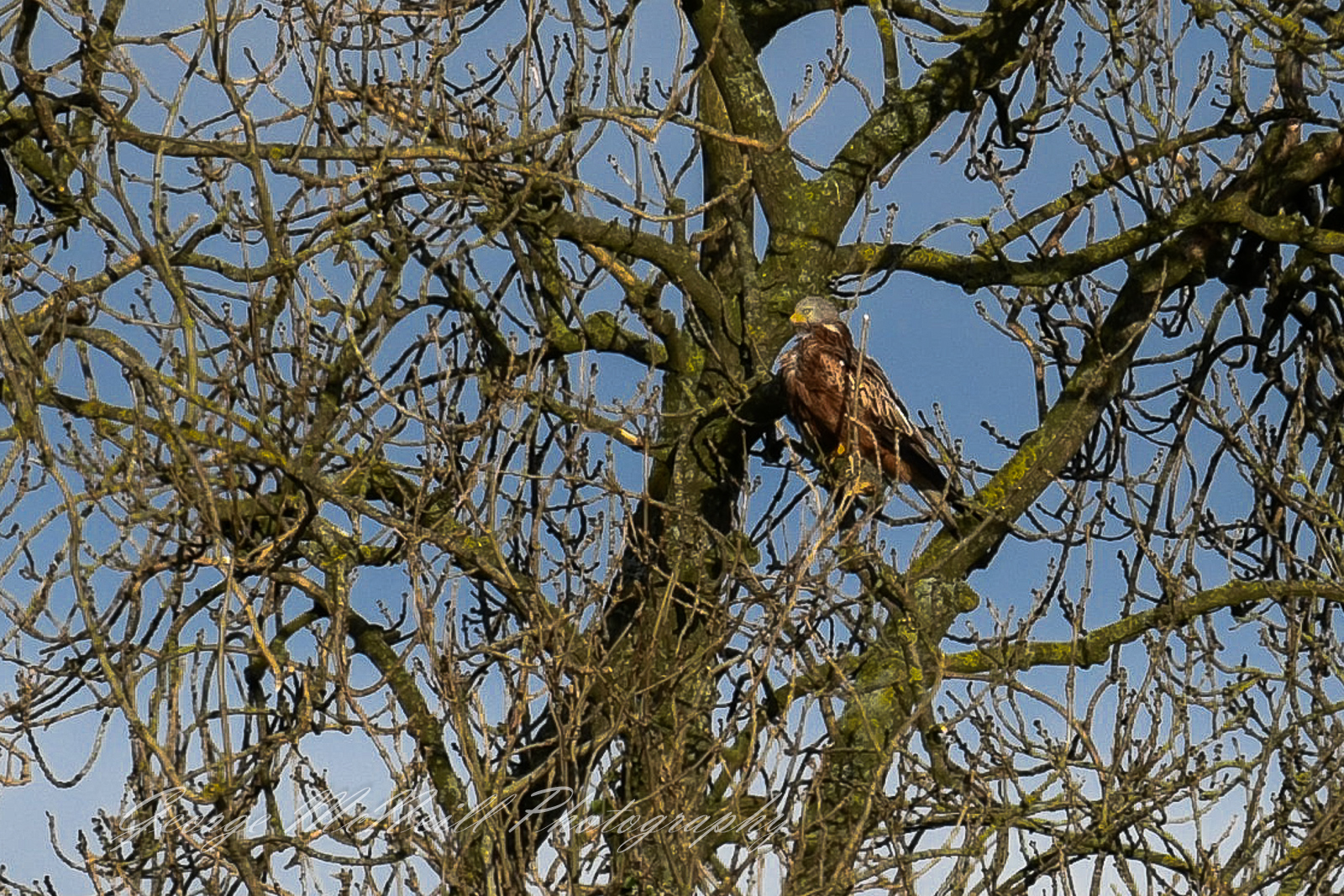
I’ll leave you with a few photographs of this beautiful bird and thank you stopping by.

Stay safe,

George.

Your Messages are appreciated

Go back

Your message has been sent

Warning

https://www.instagram.com/g.mcn.photos/

4 responses to “First Posting in a couple of years.”

  1. doerfpub Avatar

    First off, congratulations on the retirement. I can definitely say I never looked back after making that call. Now the Red Kite…wow, that is a cool bird. We have the White tailed variety over here to enjoy, but I do really like your resident variety. Thanks for introducing me to this species!

    Like

    1. George McNeill Avatar

      Thank you for your comment, yes retirement is a great gift to ones self. More time to spend in nature.

      Liked by 1 person

  2. A Curious Introvert Avatar

    Welcome back and you’ve been missed!! Congratulations on your retirement and new volunteer opportunity! Looking forward to seeing some of your wonderful photos as you enjoy less stressful times.🙂

    Liked by 1 person

  3. Janet Avatar

    Happy retirement George, and what a great way to volunteer! Love the shots of it in flight.

    Like

Black & White Wednesday

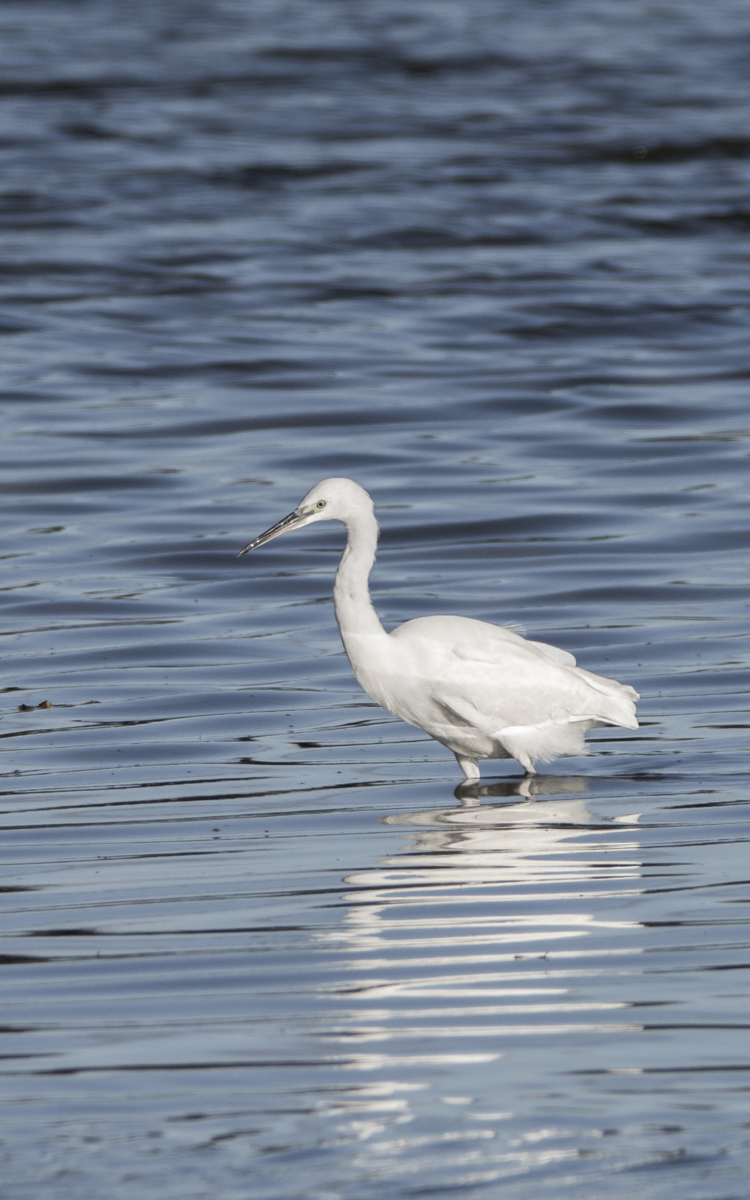
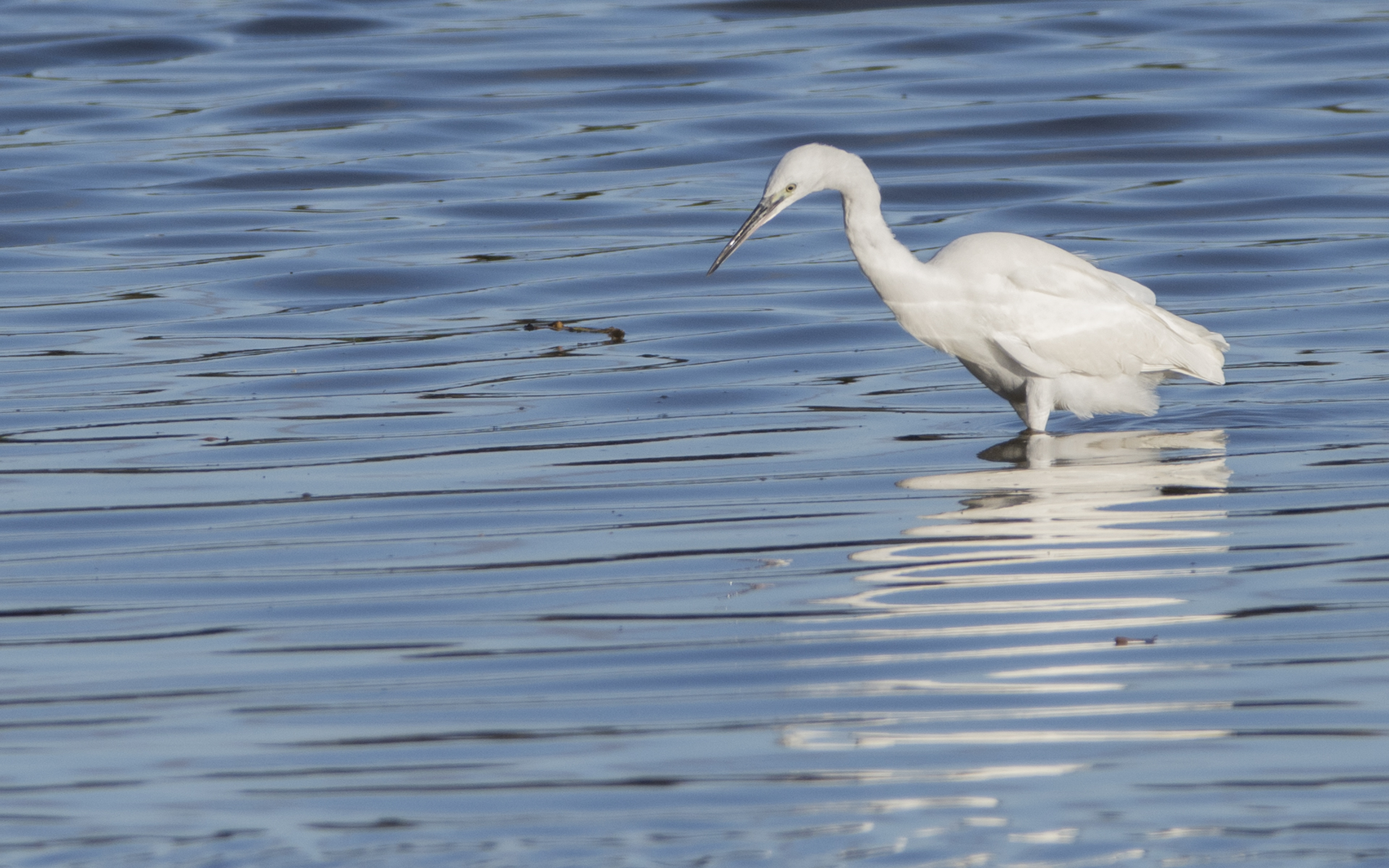
Had a few days break from work and was happy the sun decided to shine those few days. So I spent one of them at a few spots along the County Down coast. The tide was out and I was not counting on much wildlife on the mudflats. But the day left me with some grand photographs. So todays image is one of a Little Egret (Egretta garzetta) fishing in a fresh water stream that runs out through the mudflats.

Little Egret: Egretta garzetta

So it turned out a enjoyable day and may you all enjoy your day.

George.

Camera: Nikon D750 with a Sigma 150-600 mm lens

Data: f/6.3 @ 1/2000 sec: ISO 360, focal length 600 mm

Winter sunshine

With many changes in my life over the last two and a half years my blog has fell by the wayside. Slowly getting the time to get back out with the camera, so hopefully I’ll get posting a few more posts here.

A quick check on the tide tables I knew I could get to Dundrum inner bay for the incoming tide. This means the wildlife feeding on the mudflats gets pushed closer to me and my camera.  So getting in to a good hiding spot that gives a clear view I await the tide and hope the dog walkers don’t come near me. Has the birds come closer to shore they are not coming my way. This is a waiting game and one I don’t mine. More time to watch nature and enjoy the breeze thats picking up. At least its blowing  inland.

A Grey Heron feeding in a fresh water river that runs onto the coastal mudflats. Shot this short video on the spur of the moment and has you can see I was not set up for video. This is something I have been thinking about doing more off, so watch this space.

oct 2019-1-4.JPG

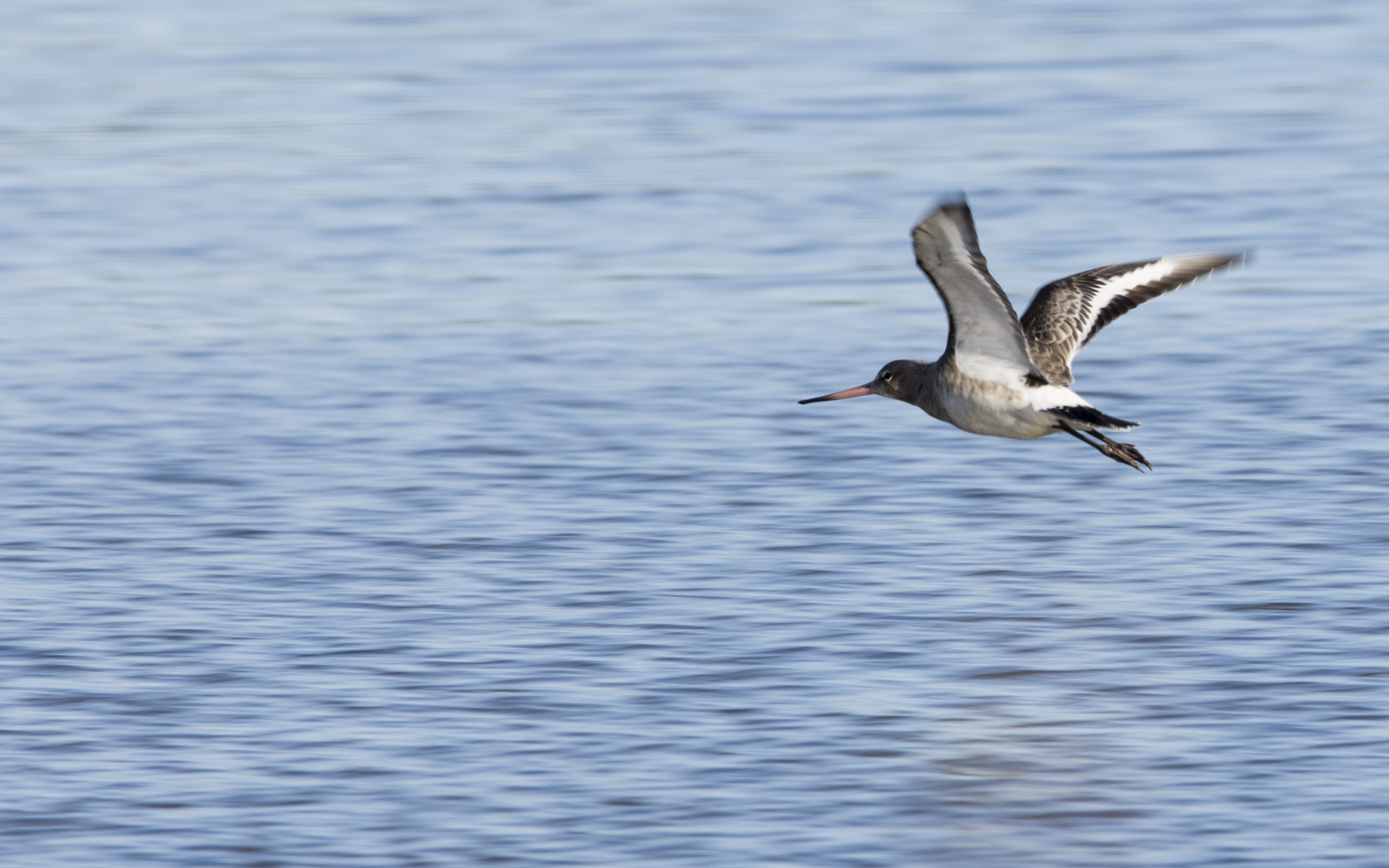
Black tailed Goodwit, this is a first for me. I have never seen these birds in this area before so was lucky to get a few shots.

oct 2019-1-5.JPG

Not the greatest photo but you see where it got it’s name.

With the tide filling this small bay I move a halfmile down into the main bay. Shot these next couple of photo while on the move.

oct 2019-1-7.JPG

R.im lighting

oct 2019-1-8.JPG

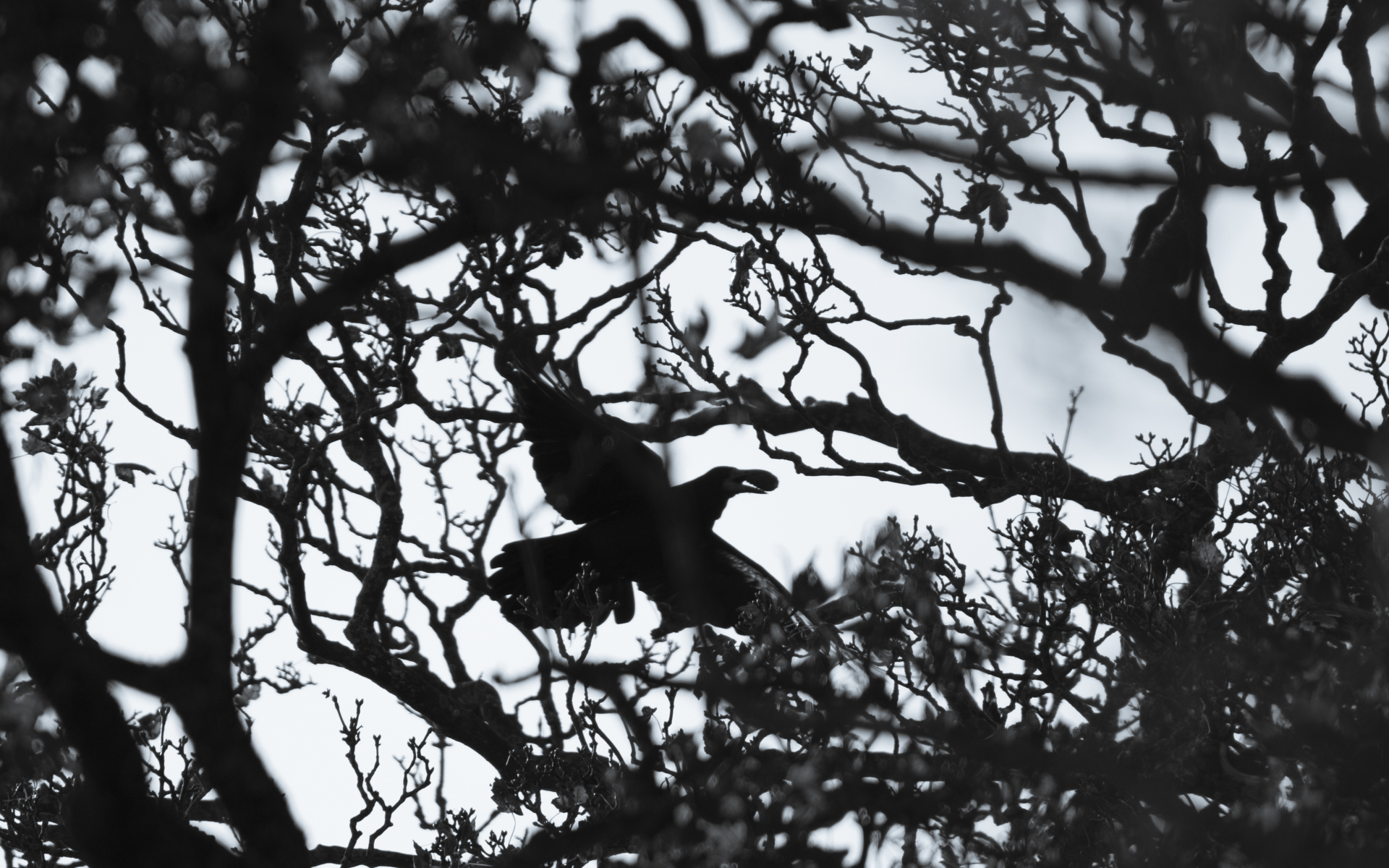
And a Rook with a shell silhouette.

This were my last shots before high tide. T.he beautiful Little Egert.

oct 2019-1-9.JPG

oct 2019-1-10.JPG

oct 2019-1-11.JPG

Thank you for joining me here at Dundrum. It’s in Co.Down Northern Ireland, just a few miles from the Mourne mountains. The Bay is a protected nature reserve with a walk on the old railway enbankment running the length of the bay.

Stay safe,

George..


Water babies.

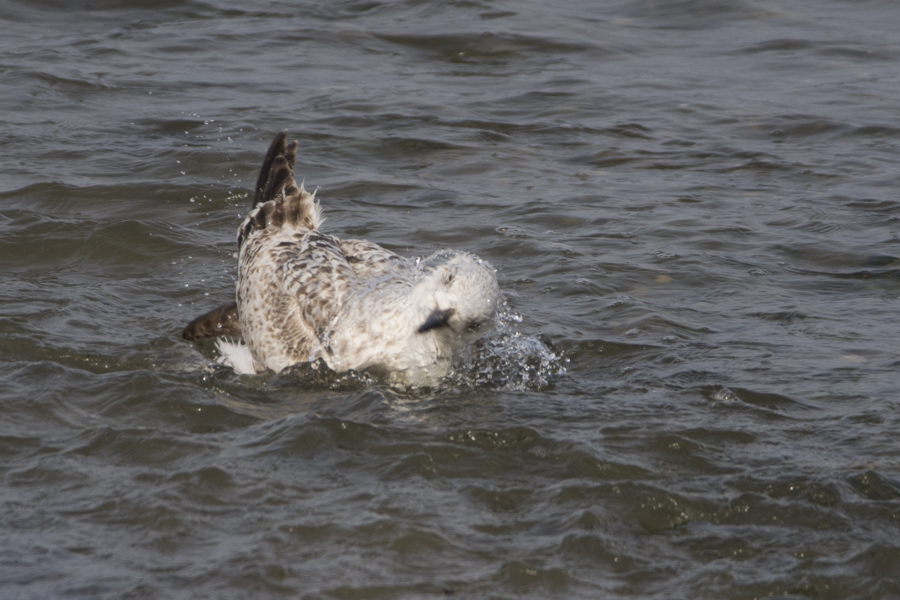
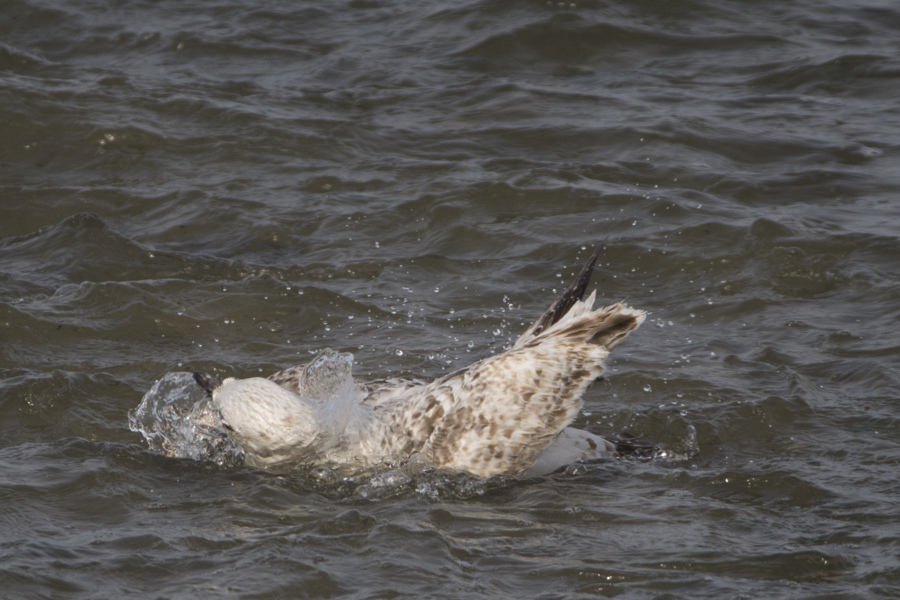
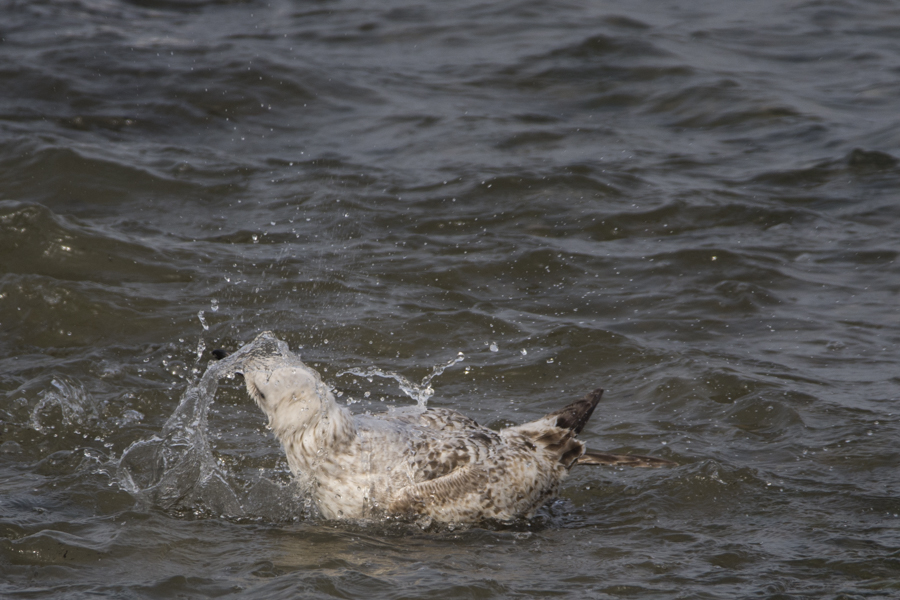
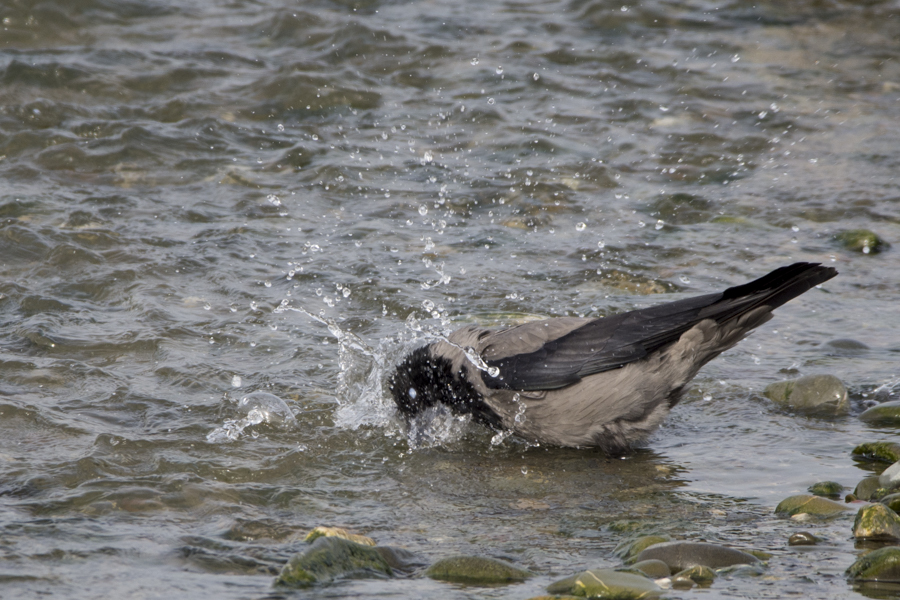
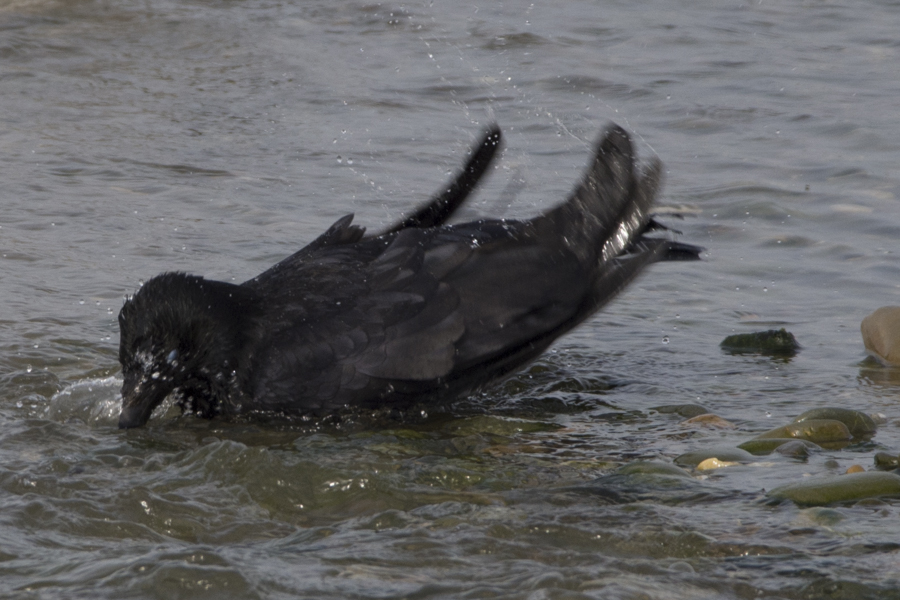
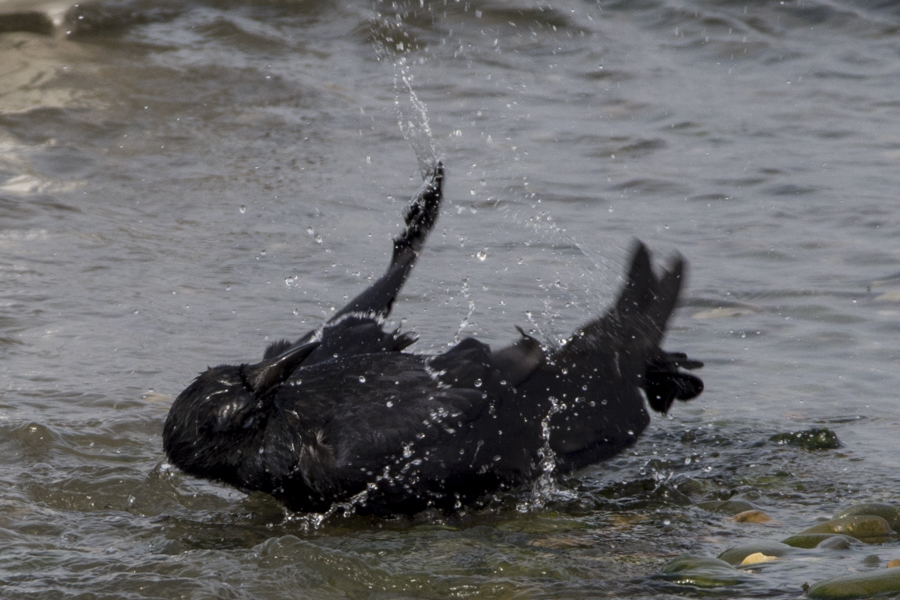
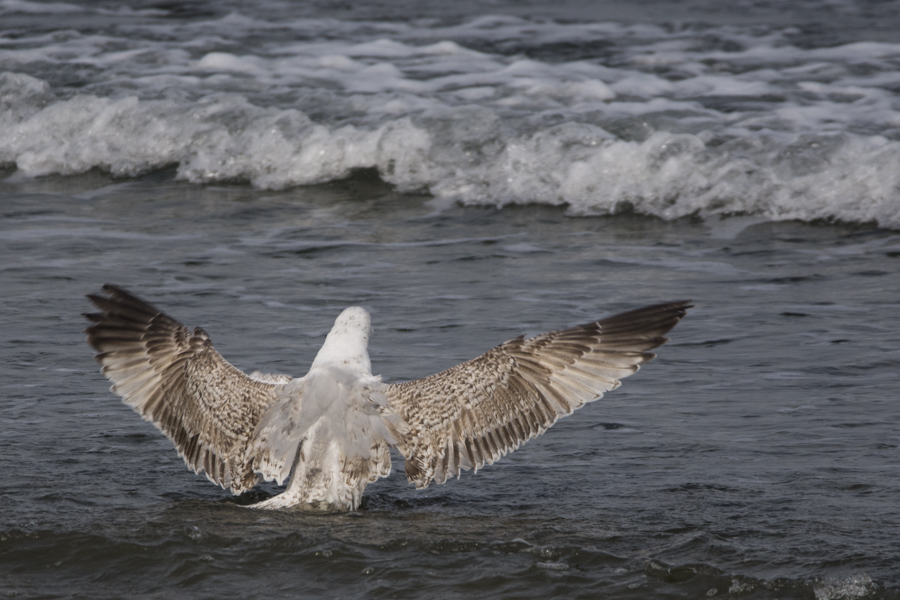
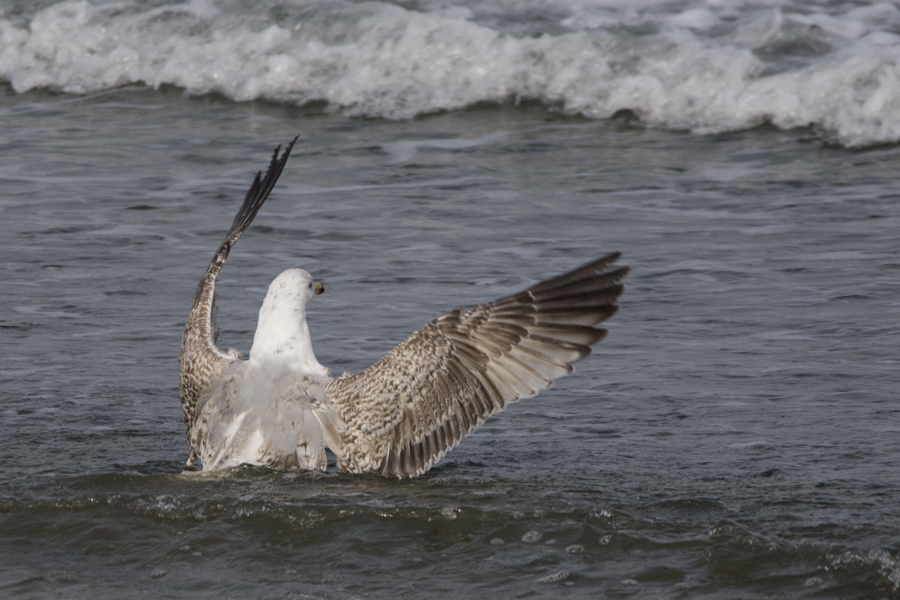
While photographing birds around the coast I noticed birds washing in the incoming tide. So here are some images taken around the County Down coast.

All photograph’s taken with a Nikon D7200  plus a Sigma 150 – 600 lens with a Sigma 1.4 converter and edited in Lightroom.


photo190519-1-16.JPG

photo190519-1-18

photo190519-1-19.JPG

Time to dry out.


photo190519-1-20.JPG

photo190519-1-21.JPG

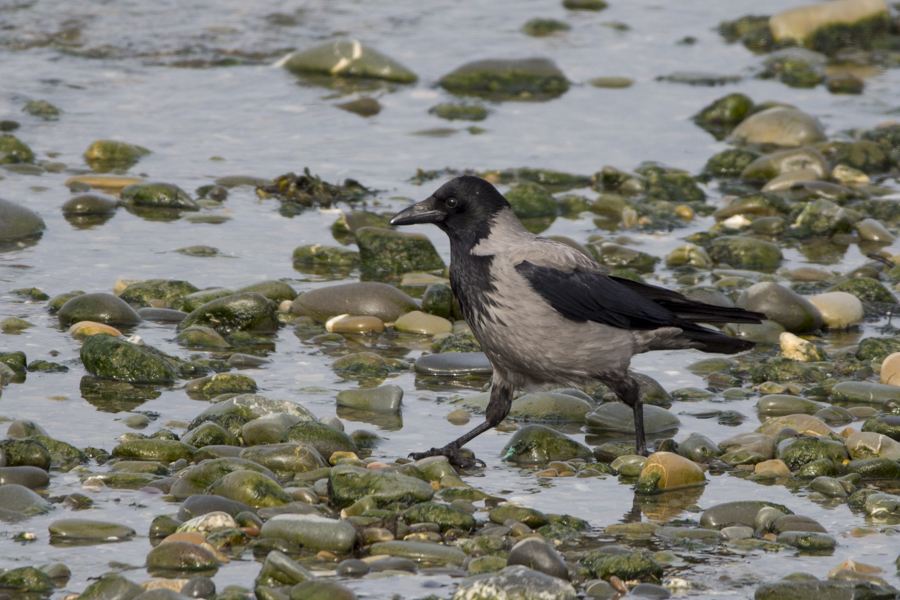
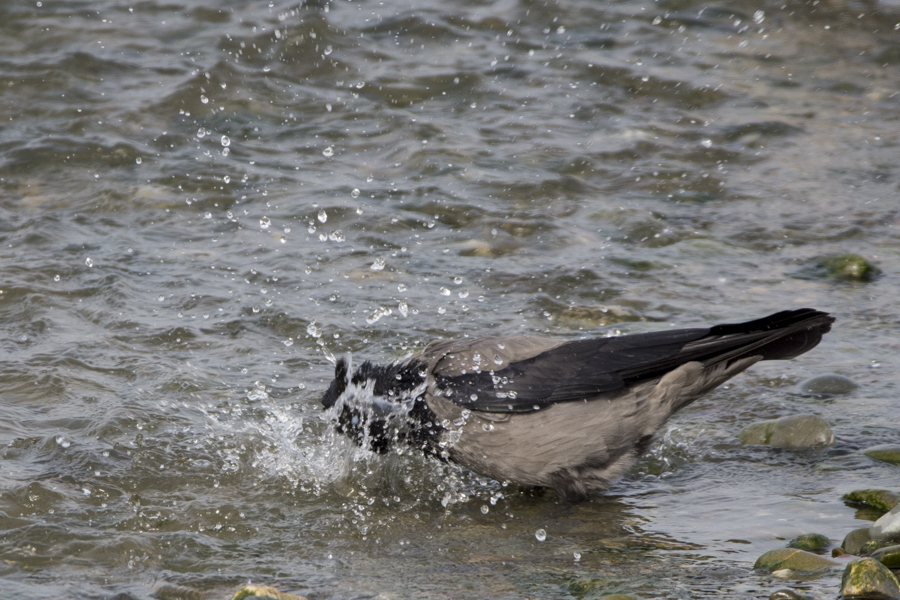
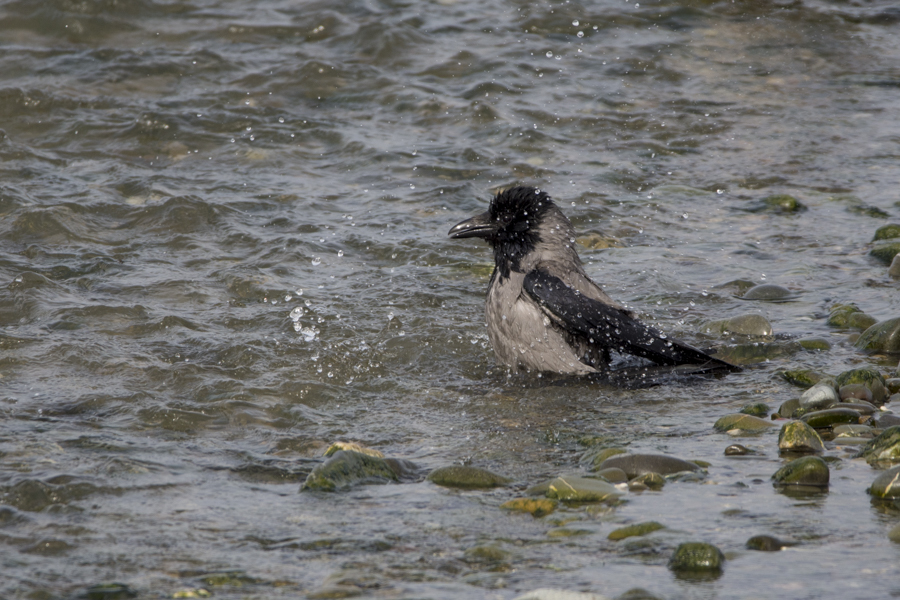
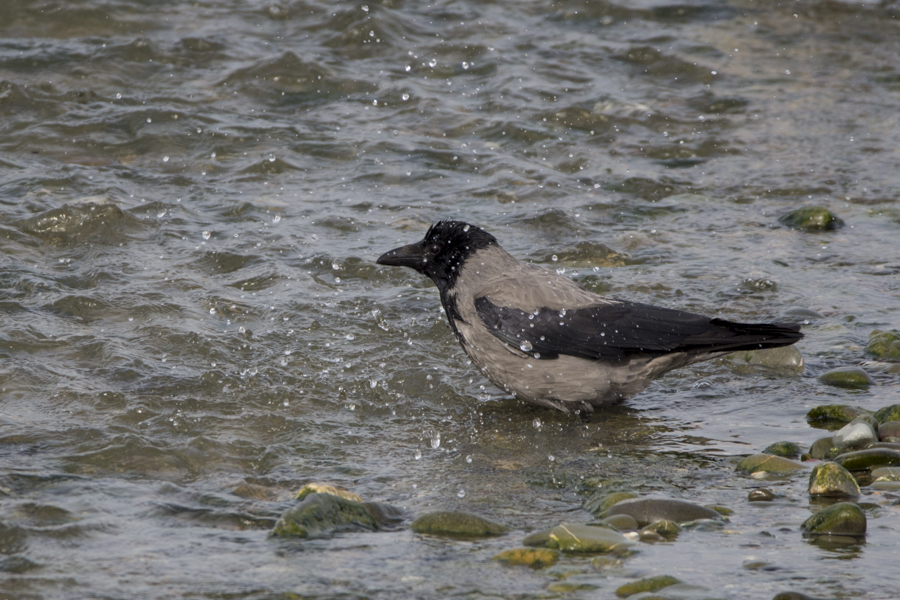
Next up is a Hooded Crow or a Grey Backs has they are locally known.

photo190519-1-27.JPG

photo190519-1-29.JPG

photo190519-1-30.JPG


photo190519-1-33.JPG

photo190519-1-34.JPG

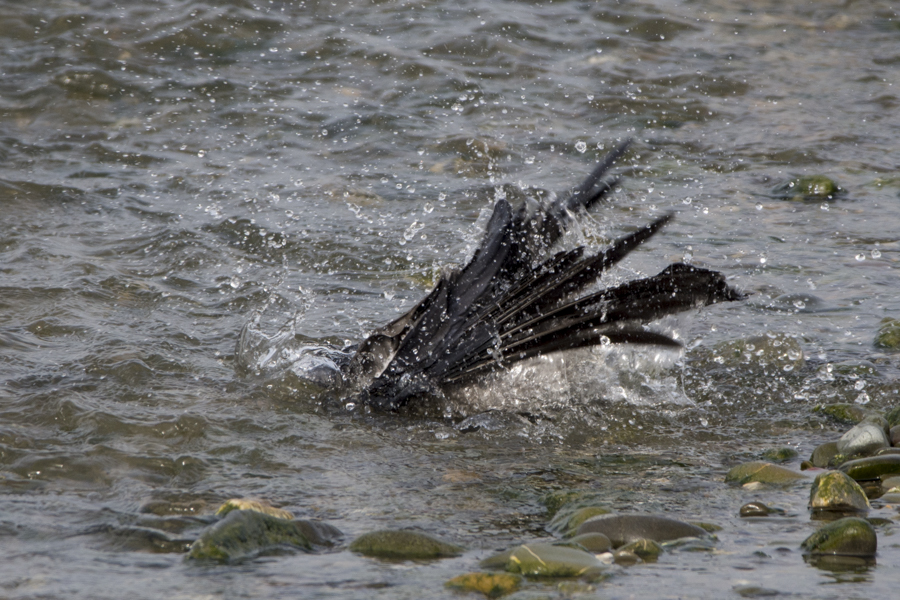
Deep dive.

photo190519-1-35.JPG

photo190519-1-36.JPG

photo190519-1-31.JPG

Next two photographs of a Common Crow.


photo190519-1-38

photo190519-1-39.JPG

He looked like he was enjoying that..

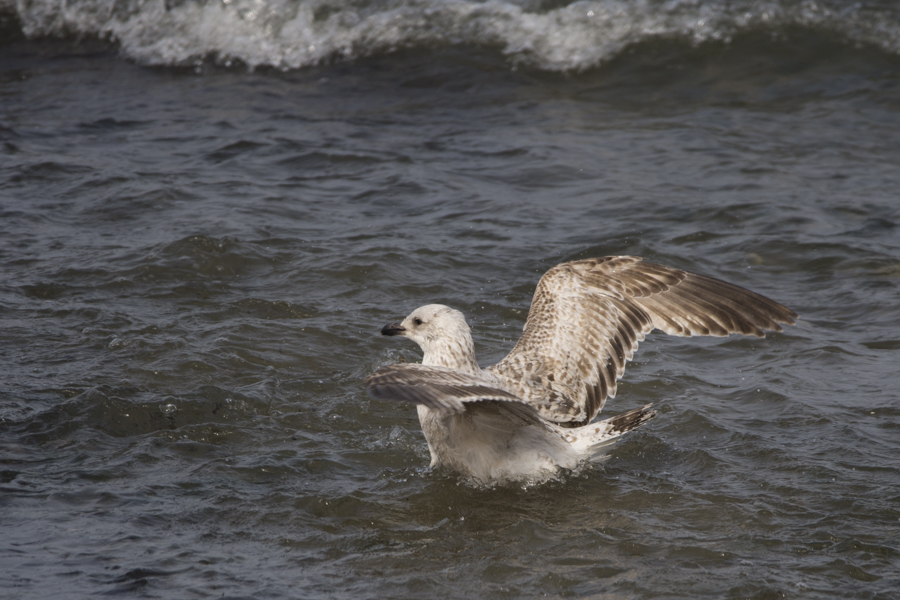
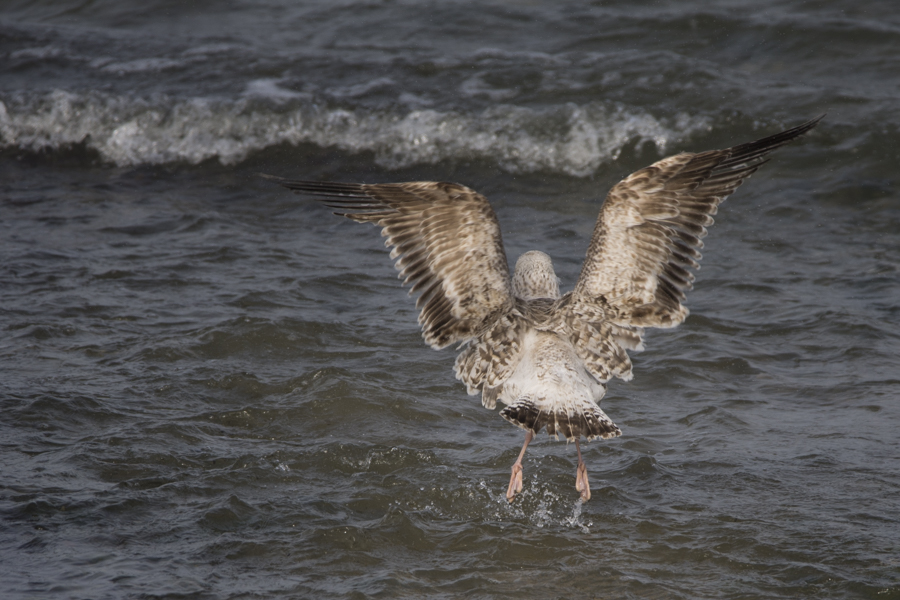
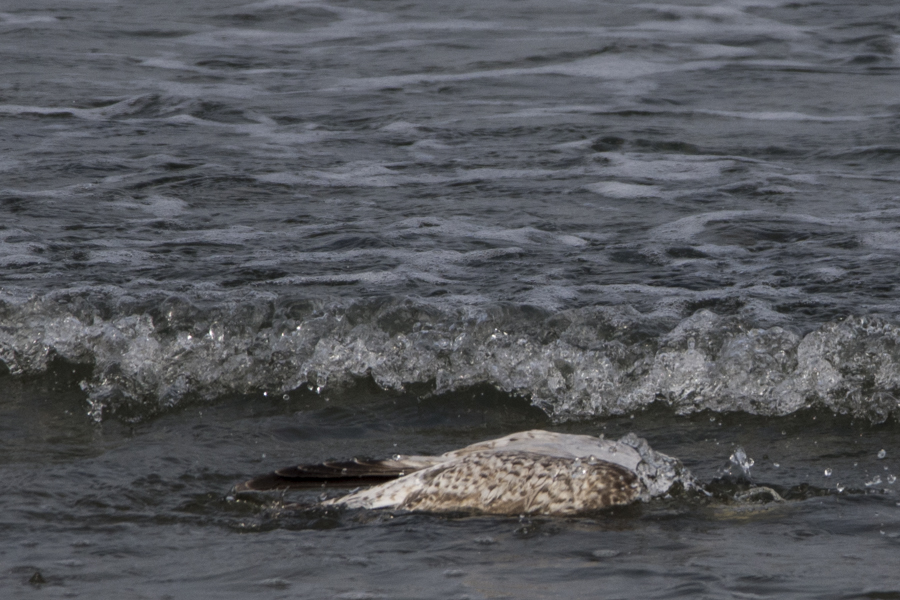
Next the gull that thought he could stop the waves.

photo190519-1-40.JPG

First a warm up.

photo190519-1-43.JPG

Command the wave to stop.

photo190519-1-42.JPG

STOP.

photo190519-1-44.JPG

More practice required.

photo190519-1-45.JPG

Hope you all enjoyed bath time.

Thank you all for stopping, feel free to comment you likes or dislikes.

George

Hillsborough Forest Park.

On my way back home from picking up some decorating supplies I stopped of at Hillsborough forest park. Well I needed to get some air and a break from working. With the fine weather the park was busy and a parking spot was hard to find. I was in the park around 2.30 pm. This time of year the sun starts to set around 3.30 / 4 pm.  So time to find a few shots on my walk around the lake. The low winter sun was throwing a warm light onto the lake and trees and I wasn’t the only photographer out and about.

Right lets get started.


mourne1--2.JPG

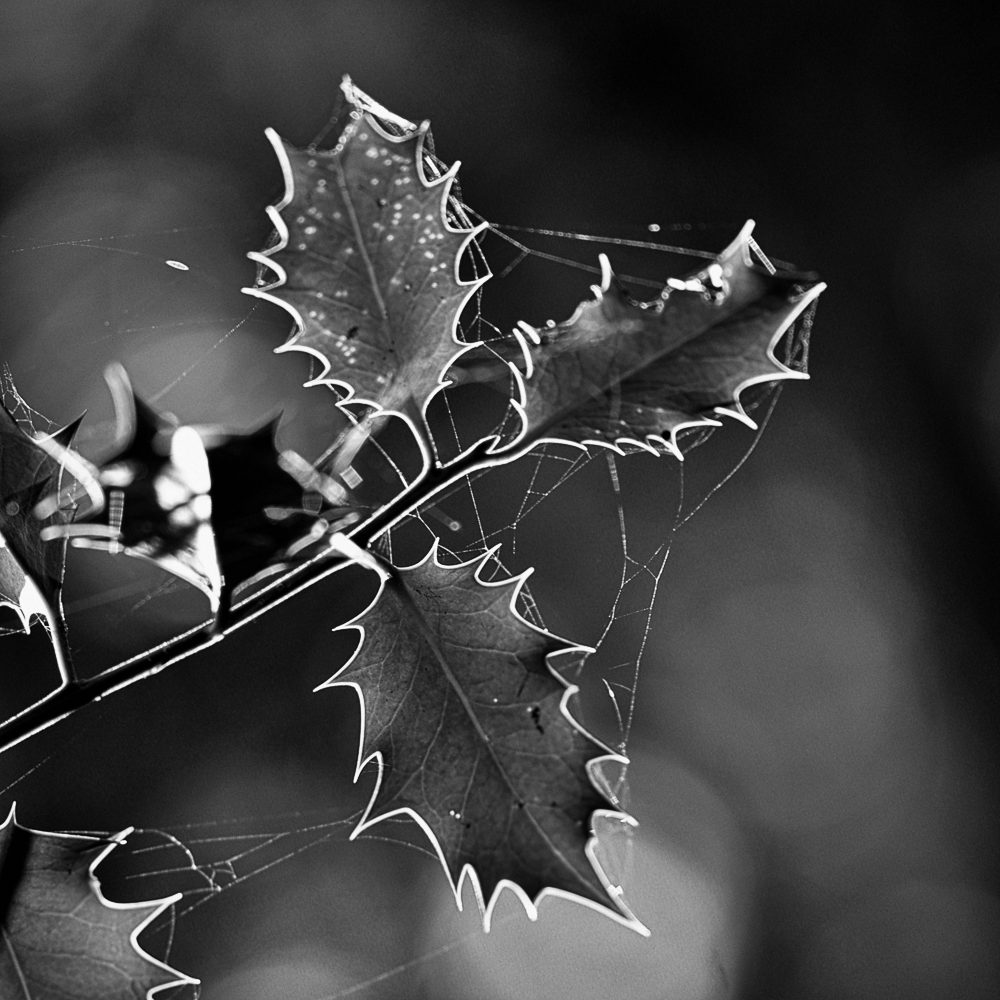
Holly and cobwebs, the low sun back lighting and adding a rim light to the leaves and stems.

woodland-3888.JPG

Blue skies and reflections.


woodland-3885.JPG


woodland-3886.JPG

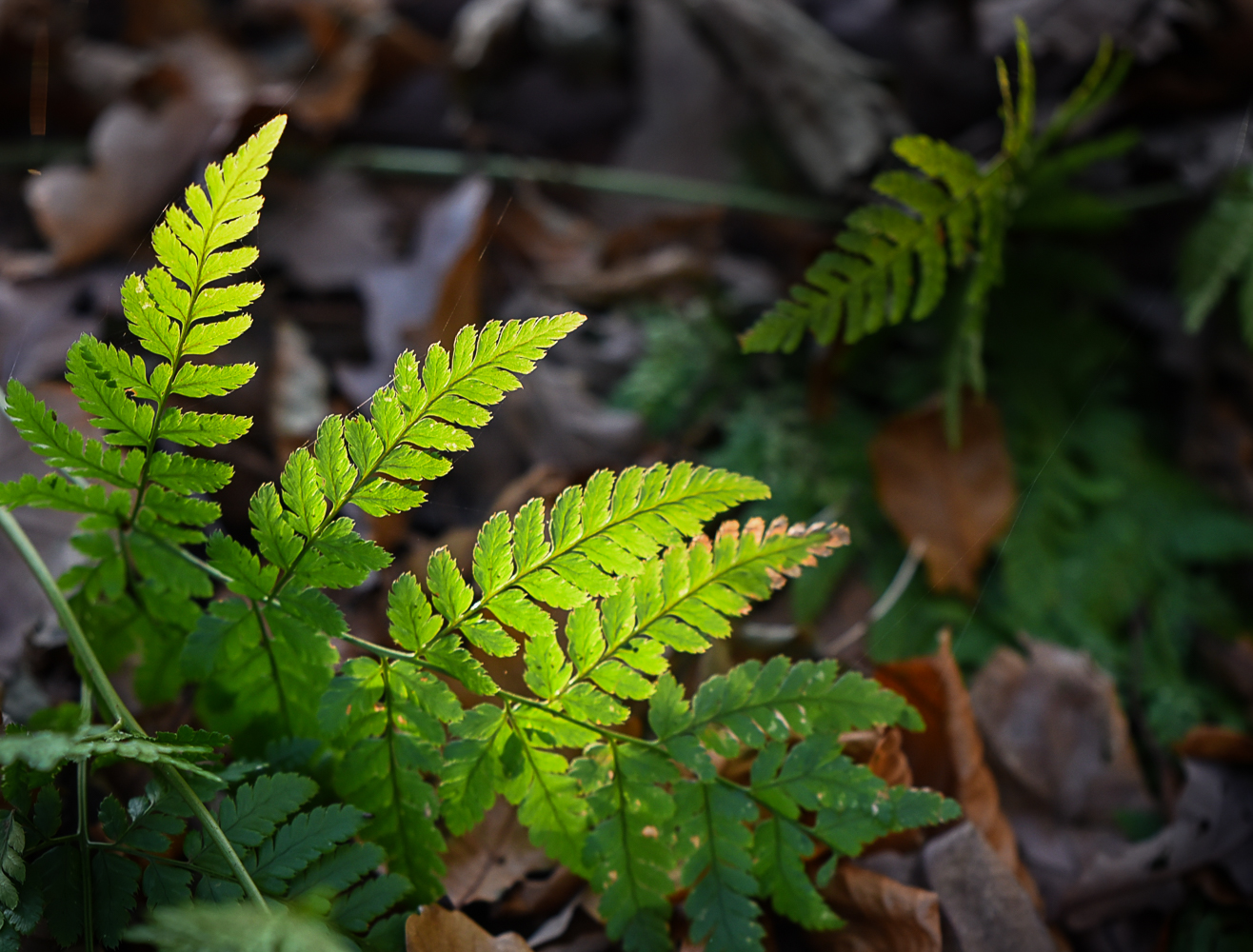
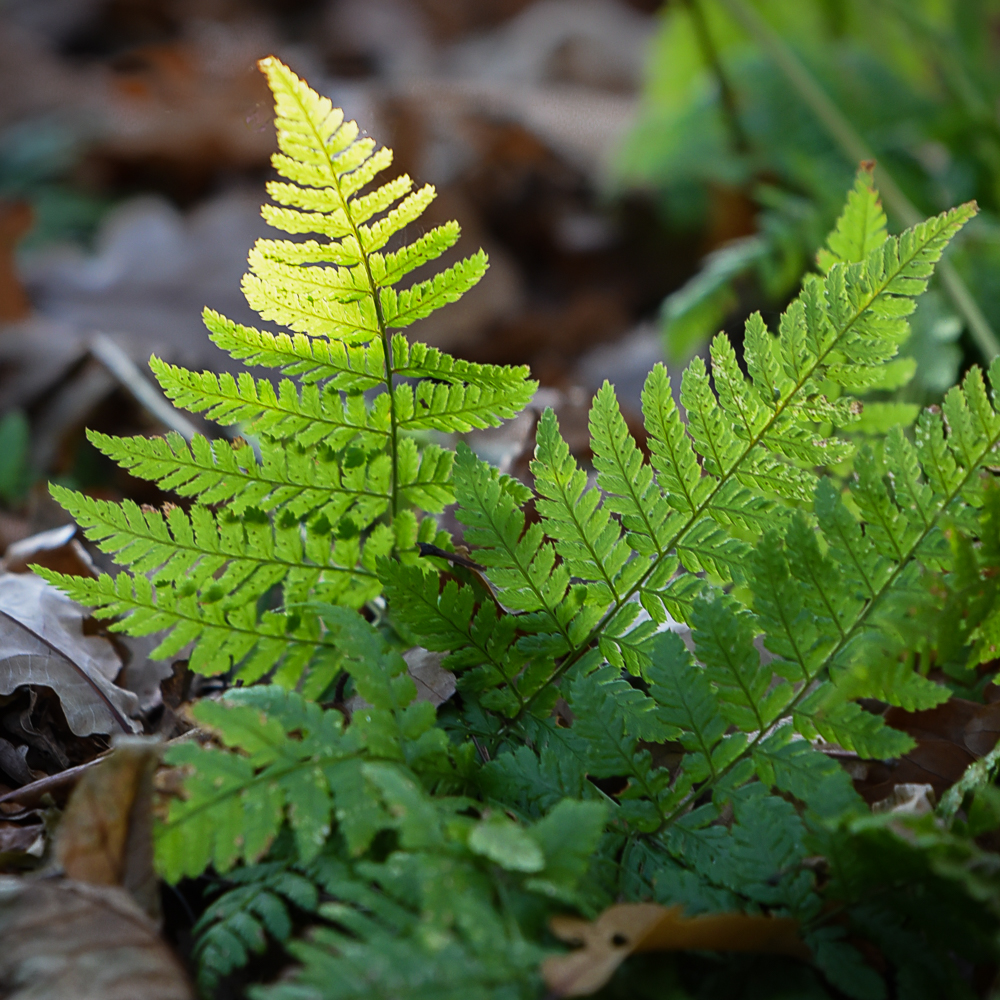
The light breaking through the trees spot lighted these young ferns.

woodland-3921.JPG

Sycamore leaf in its winter wardrobe.

woodland-3932.JPG

I don’t know the name off this fungus , but if you were ever a Star Trex fan it might be call the Enterprise. Google it if you never saw it.


woodland-3901.JPG

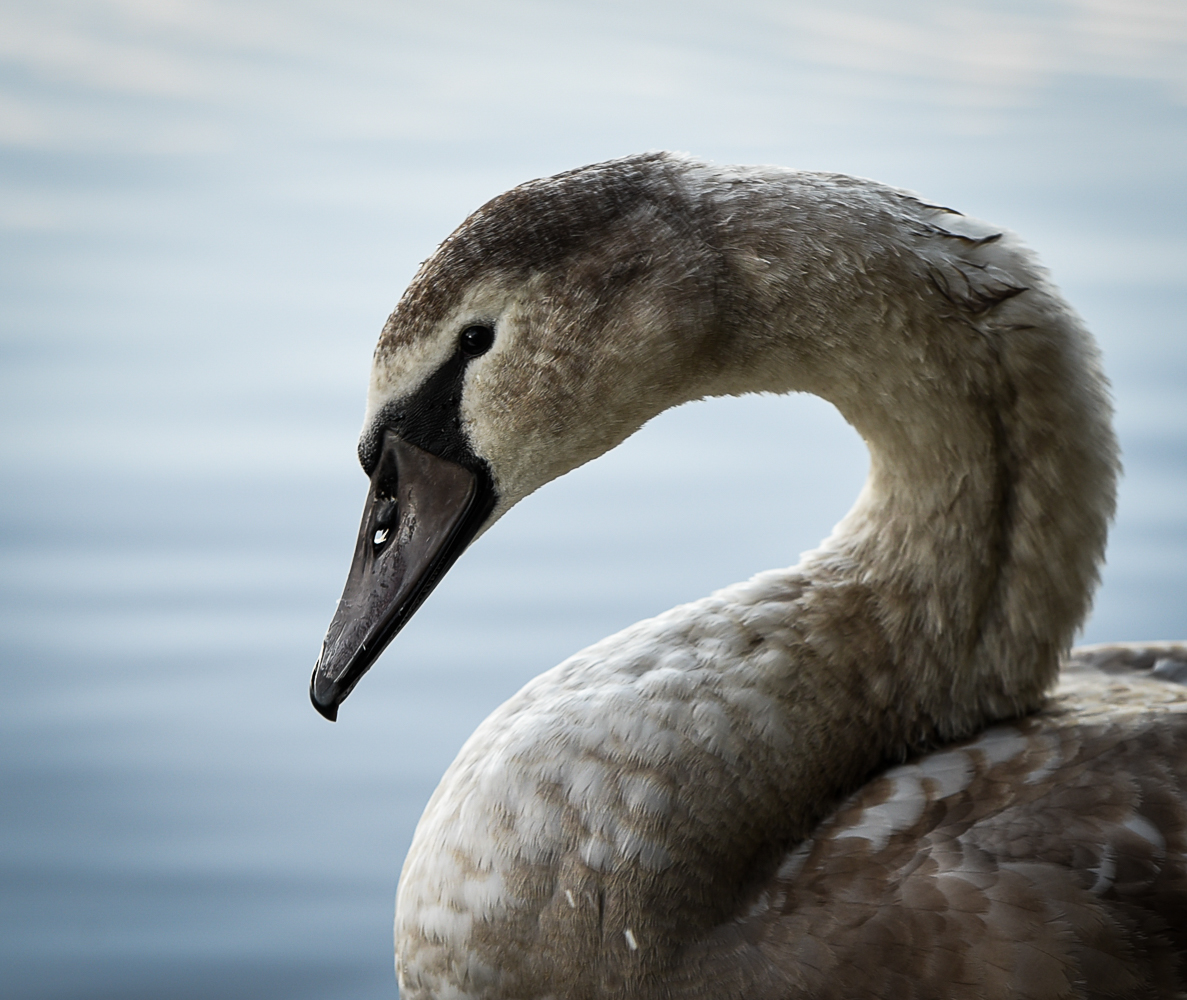
Mute swan Cygnet

woodland-3898-2.JPG

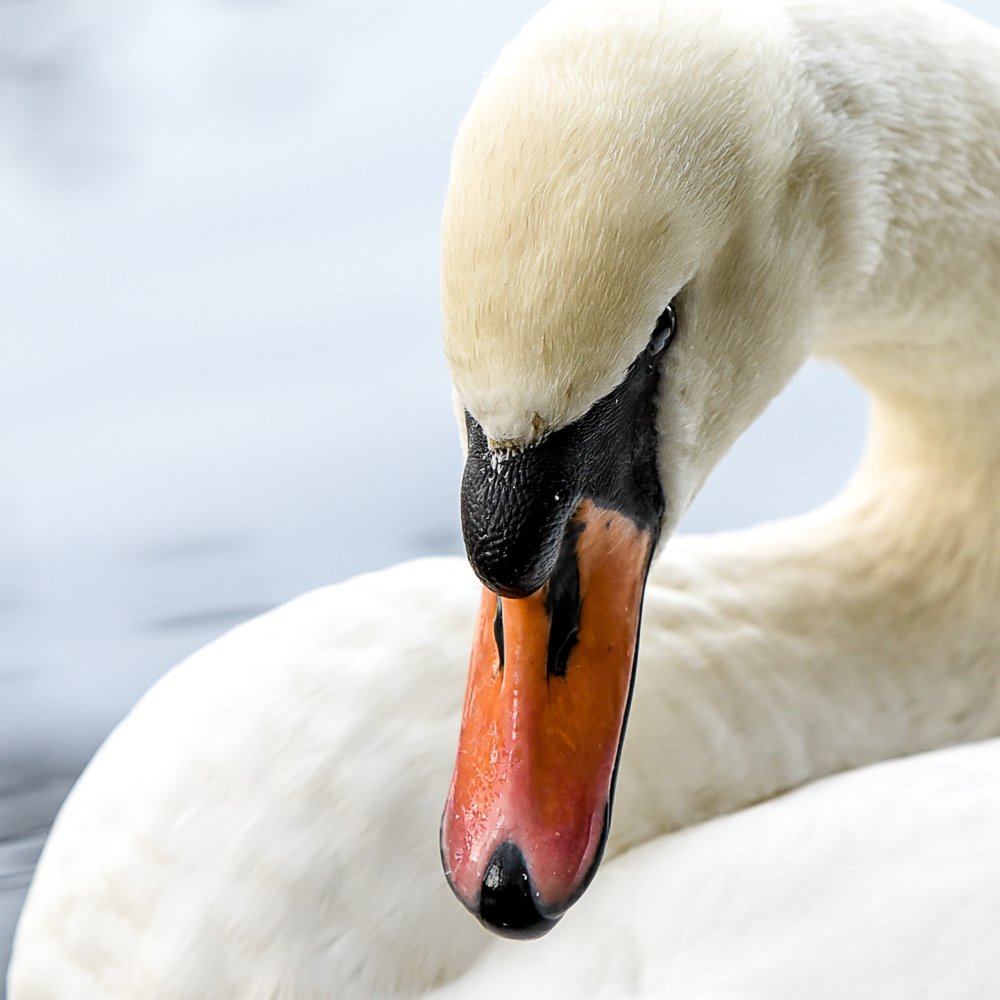
Mute Swan.

woodland-3950.JPG

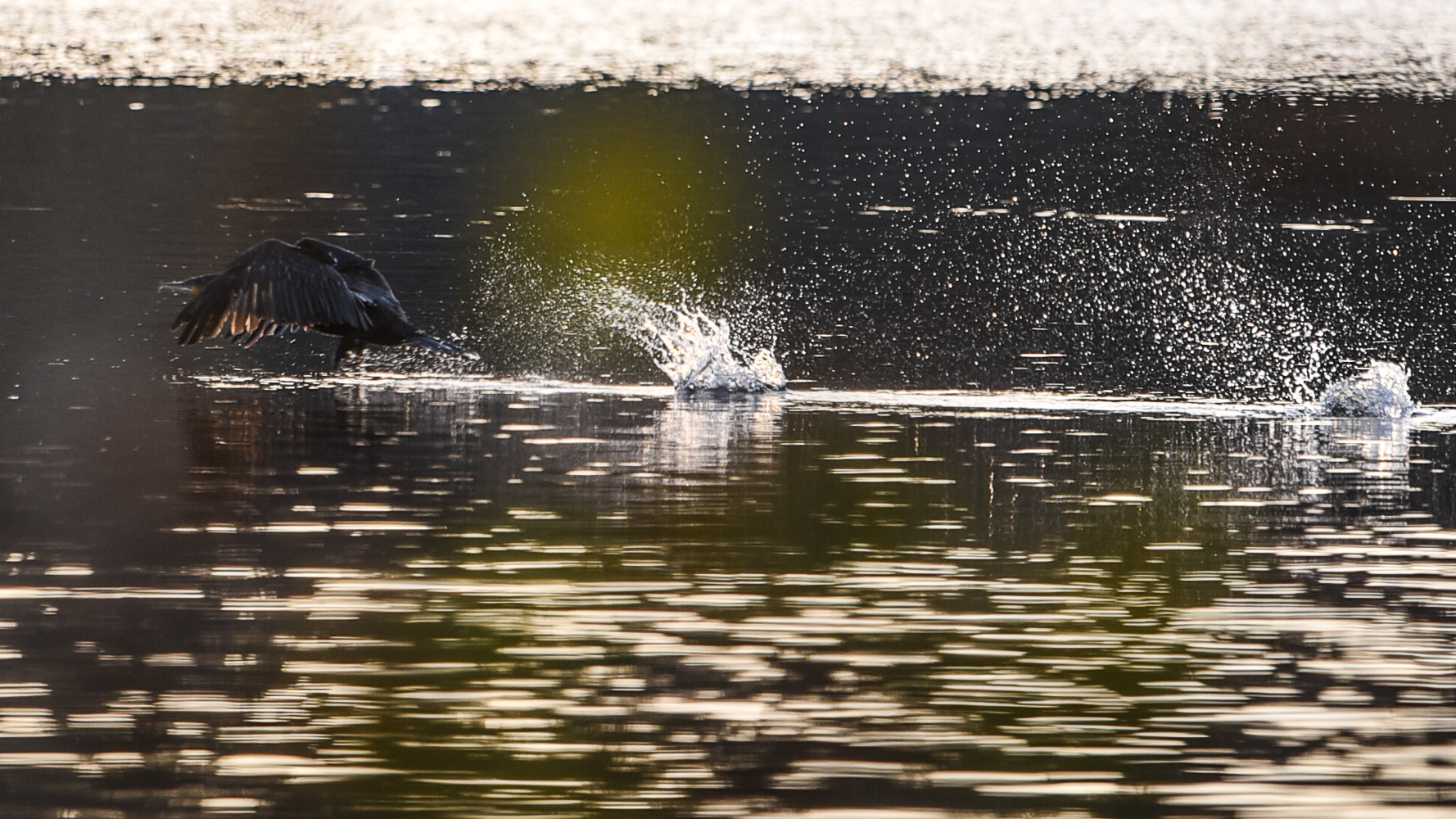
A Cormorant taking off, it uses it feet to help it get airborne by pushing them against the water surface.

woodland-3935.JPG

A more peaceful image of a duck silhouetted against the brightly light  water.

Thank you for joining me,

George.

Ring Necked Pheasant.

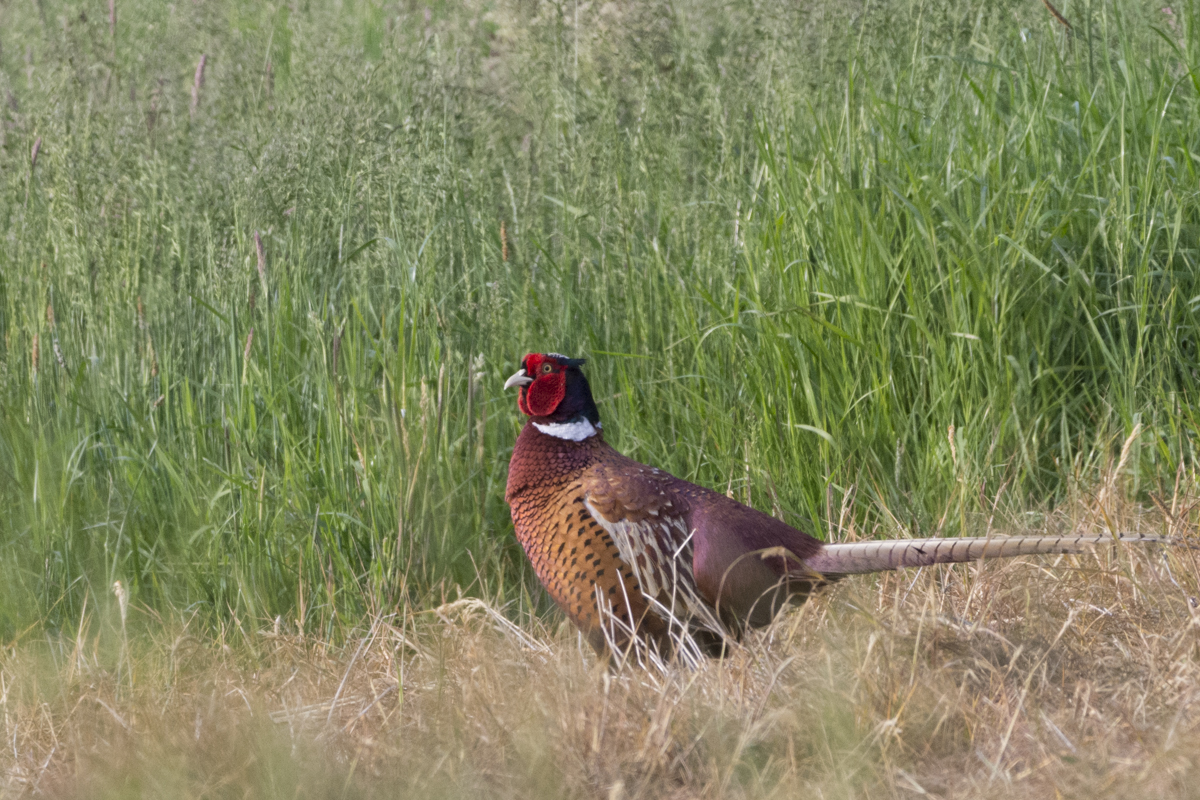
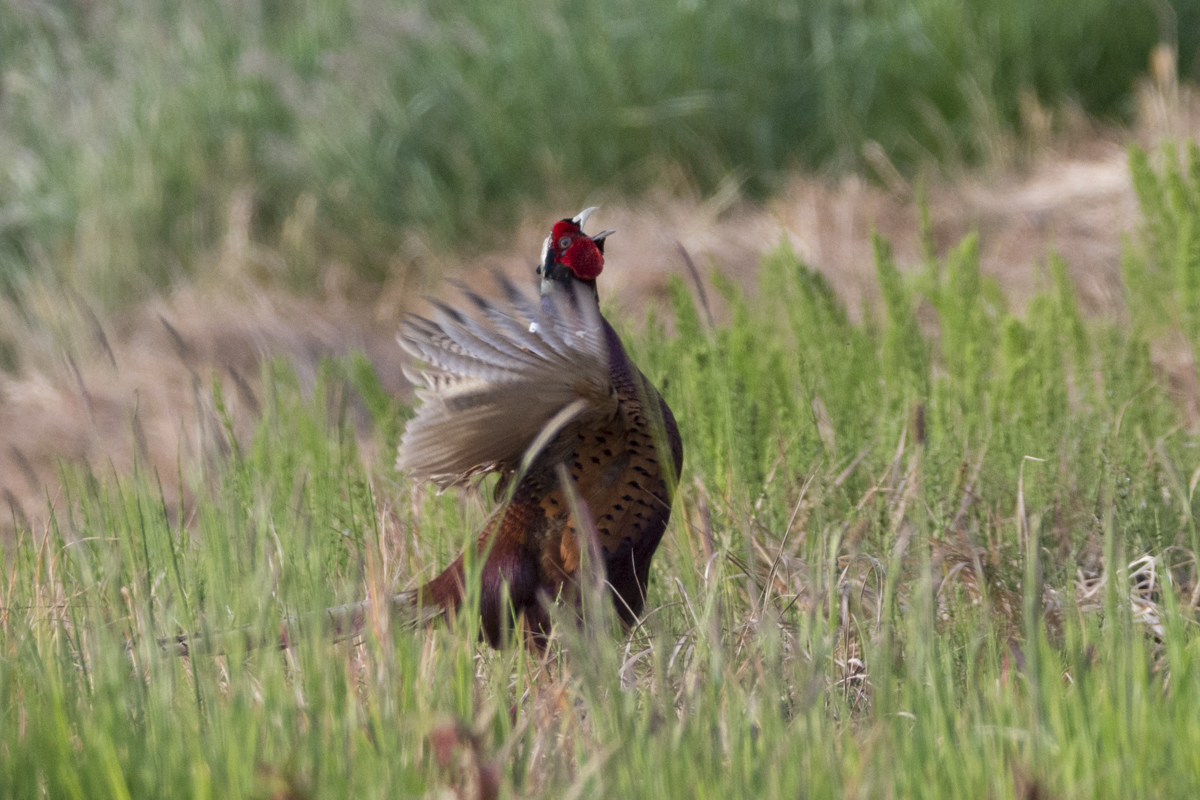
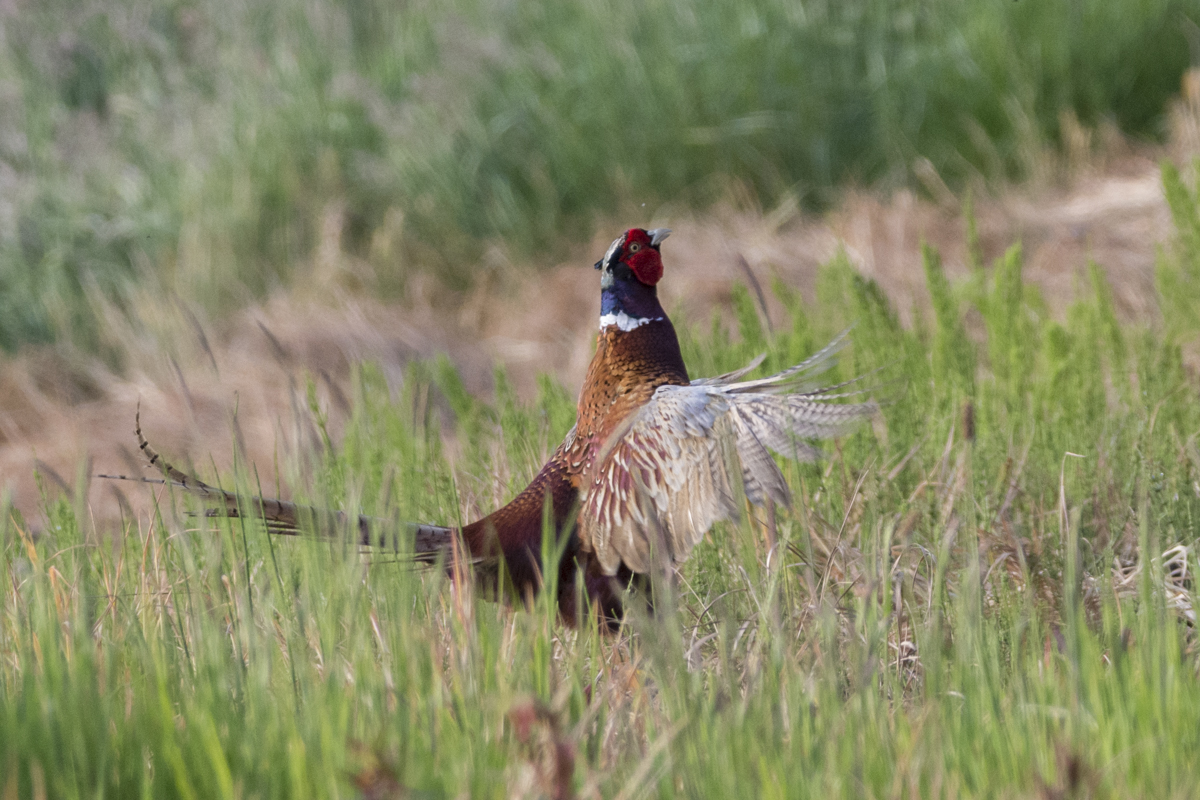
Had the pleasure one evening watching a Ring necked Pheasant as it and a couple of hen Pheasants fed while crossing some scrub ground. While the hens kept under cover in the longer grasses the cock remained in the open, like me was keeping watch.

pheasant-4428.jpg

Here he stands in the warm evening sun light showing off his well tailored suit and face markings.

They make a range of sounds has they communicate with each other, from crowing to beating there wings. Sometimes both at the same time.

pheasant-4481.jpg

pheasant-4489.jpg

pheasant-4490.jpg

pheasant-4491.jpg

pheasant-4492.jpg

The above sequence of shots show the wing beating without the crowing. Below a couple of photographs from him crowing Pheasant calling

pheasant-4437.jpg

pheasant-4454.jpg

pheasant-4455.jpg

These Photographs where taken over a half hour period where I used a fence post has a make shift tripod. Shot with a Nikon D7200 and a Sigma 150 – 600 mm Telephoto lens. Processed and cropped in Lightroom. My last shot of the evening was where I caught him crossing a break in the ground cover and the warm light on his back.

pheasant-4429.jpg

I put the camera down and spent the last ten minutes just enjoying the scene.

Hope you have enjoyed seeing this beautiful bird with me and thank you for visiting.

George.

Killough harbour.

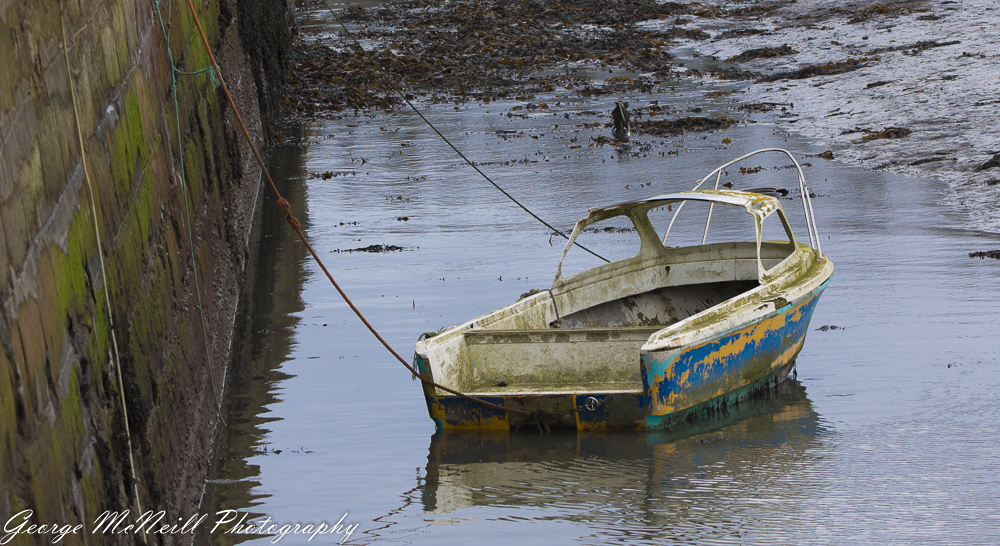
This week has been a busy one plus the weather should be turning towards spring. With snow still falling in places and heavy rain and winds hitting others, its still winter. So with an hour to spare and a chance of fresh air I went to Killough on the county Down coast here in the northeast of Ireland. With grey sky’s and dull light on the land, landscape shots were out.

Castle Ward 2018 george-2244.jpg

With the tide on the rise this forgotten boat and the colour on the harbour wall caught my attention.

Castle Ward 2018 george-.jpg

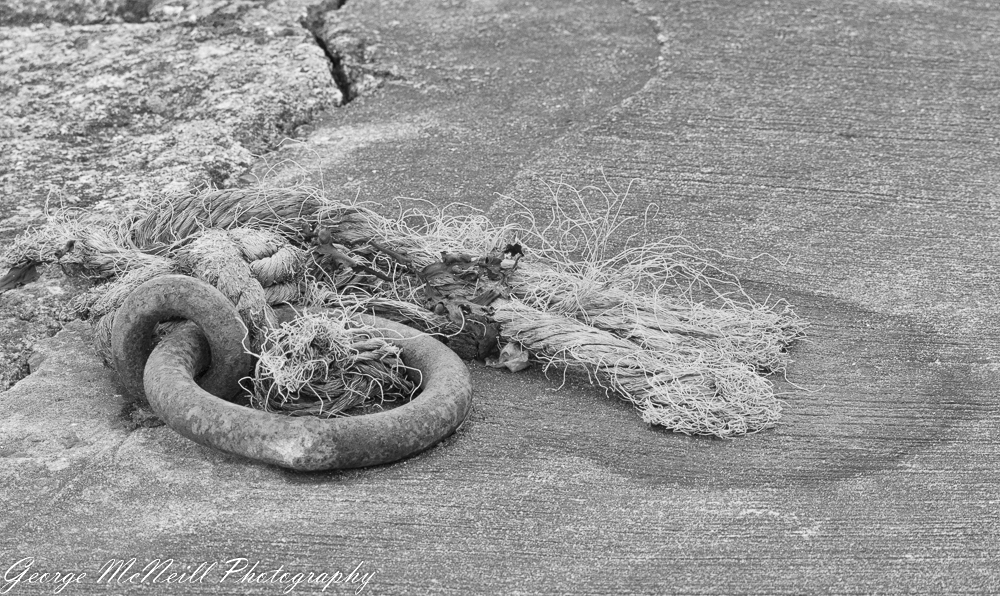
With it’s moorings long gone and just the remains left I decided this would be in monochrome.

My next three where taken with a 600mm lens with a fence post used has a tripod.

Castle Ward 2018 george-2224.jpg

Castle Ward 2018 george-2225.jpg

Castle Ward 2018 george-2226.jpg

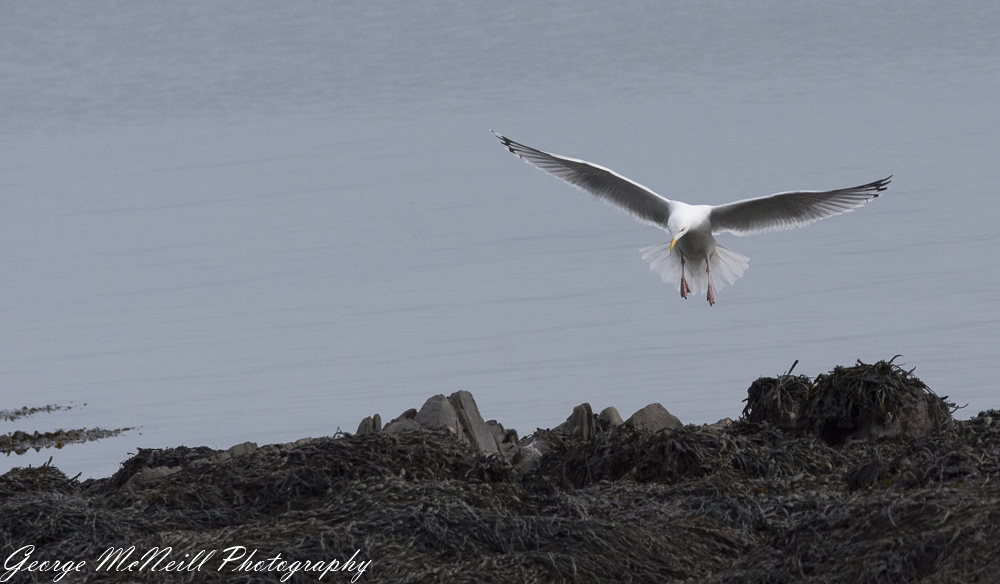
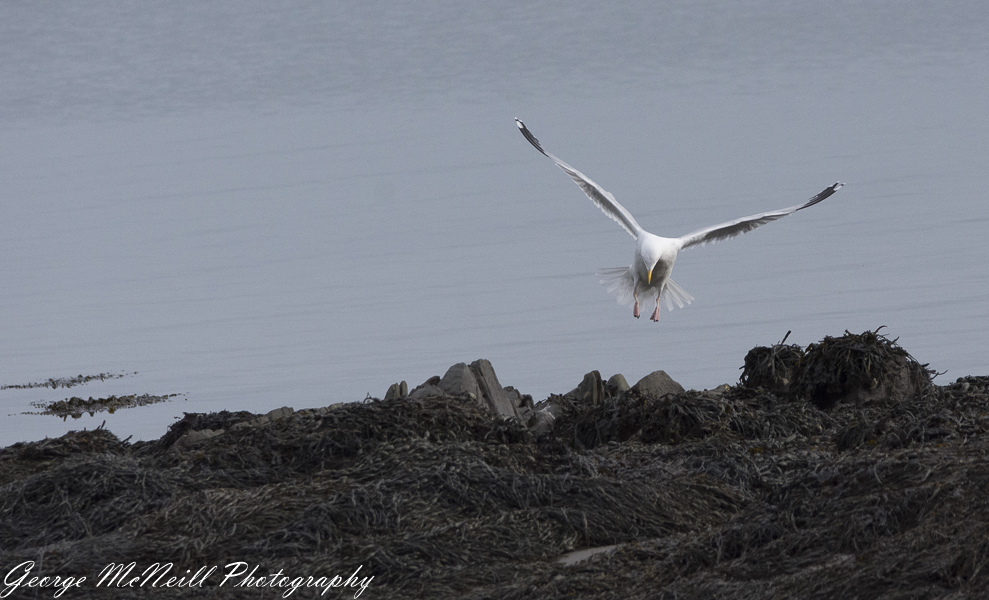
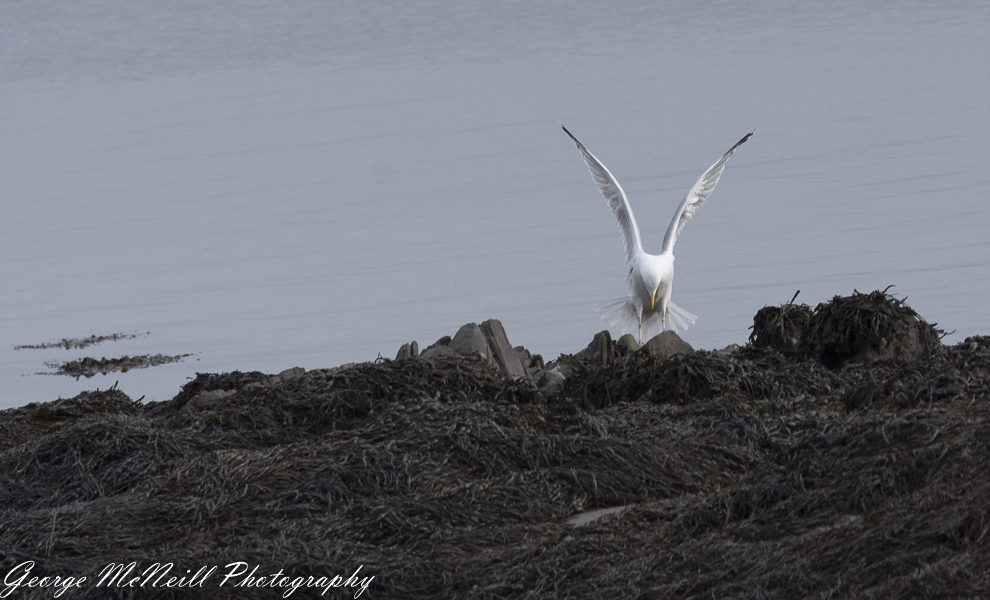
Shot from around 100 metres and chopped  with very little post processing. I could spend all day shooting gulls in flight. I you every watch a master working in their craft, then gulls are the masters for flight using the medium of air to paint their path.

Castle Ward 2018 george-2247.jpg

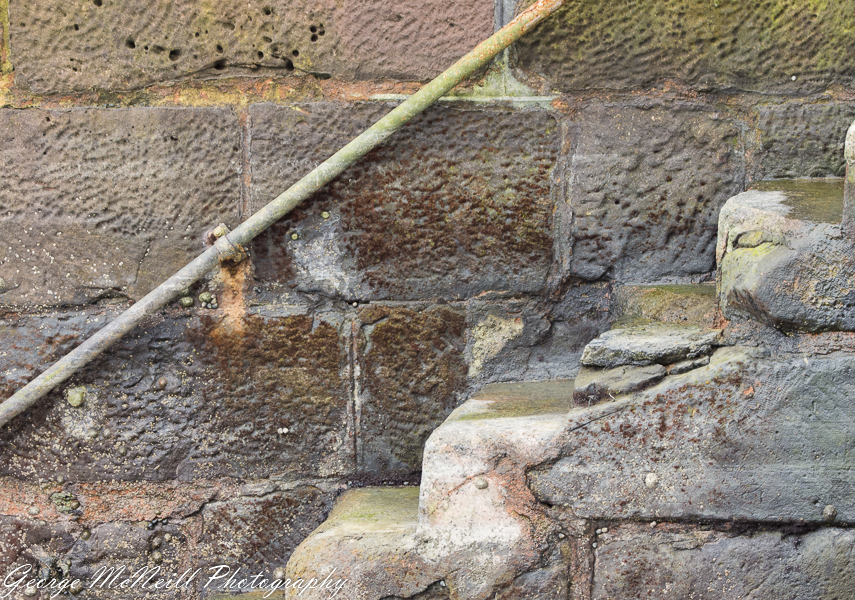
The colour’s nature has painted over time and the textures left by the stone masons tools has they shaped the blocks for the harbour wall. The worn steps reshaped with cement, the rusted and coloured metal handrail. It was all this texture and colour that pulled my eye to this shot.

Thank you for visiting, feel free to comment.

Take care,

George

Is photography art, an age old question.

Been very busy this last few months so the camera has not seen a lot for use. So any breaks  in working, I have my nose stuck in a book even if it’s only a lunch break. I love reading anything from the daily paper to whatever catches my eye. I bought a photographic magazine which there was a letter asking is photography art. I believe it is, I decide on a number of settings which affects the look of the in camera shot before pressing the shutter. There there is the post shot processing, which is unlimited in the looks you can achieve or the message you hope to convey. I got a book yesterday called ‘ Why it does not have to be in focus’ Modern Photography Explained by Jackie Higgins. Published by Thames & Hudson ISBN 978-0-500-29095-8 . My base for buying this book came about from reading that letter. Jackie Higgins explains the artistry behind 100 key works of modern photography. Into chapter 2 and it makes an interesting read into the art of modern photography and the expression expressed within the image.

My photographs here don’t claim to be works of modern photography, but are they what I saw in front of my camera.

old house 1a.jpg

Trying to figure if the trees were holding this upright.

trees.ice1a.jpg

The frost was real.

Thank you for visiting

361/365 Shutter release challenge

Street light

365src06.11.2016z2.JPG

Due to early mornings being dark and the light is fading when going home the only time I can shoot is when its dusk or dawn. So have been out early some mornings while on my way to work. This way taken in a car park with the street lights illuminating the tree. With a long exposure and a light wind you can see movement in the branch’s and not the jogger that ran in front of the camera.

Thank you for visiting