
There as been a few changes in my life over this last couple of years, changes where I stepped back from posting. Taking time to look after myself from the stress of my employer moving me to a different location to work. I survived and retired in December 2024.
So my first post is about volunteering with the RSPB as a Conservation Officer on The Northern Ireland Red Kite Project.

These birds were reintroduced back into the north of Ireland in 2008 with young birds from Wales. 2010 saw the First Red Kites to hatch in Northern Ireland in 200 years.
They are monitored most of the year, Winter means being out in all weathers till dark doing Roost counts. These birds like some other birds of prey are social and roost in groups, first we need to find the roosting sites. Then count how many are there, This information is relayed back from all the volunteers from different roosts. it gives an indication of how many are in the area.

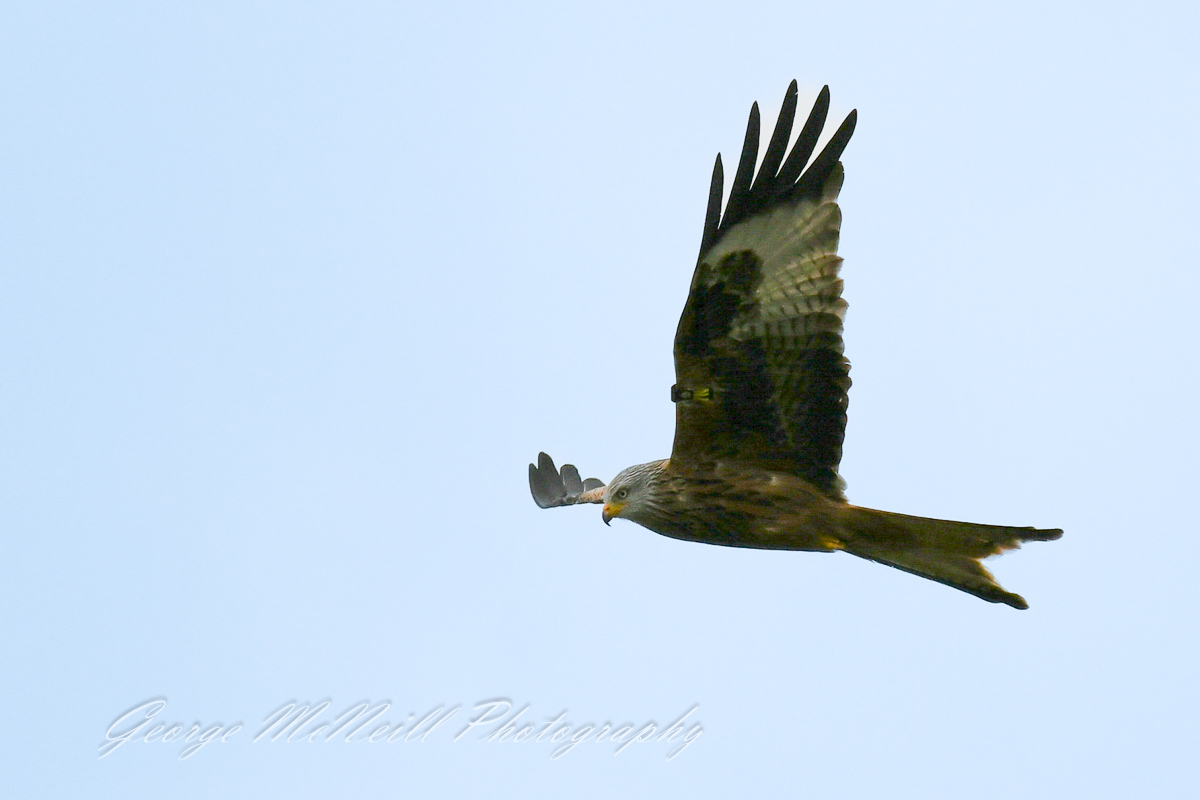
Red Kites hunting for food.
You can see in the above photos wing tags on some of the birds, brown tags on the left wing means it a Northern Ireland bird. The colour tag on the right wing gives the birth year, there are numbers and letters on the tags which help in with nest and year information. Also you can see the forked tail from which it gets it name.
Next comes Spring and nest building time. Red kites mate for life and will reuse the same nest if they were successful in rearing a family in it the previous year. But if unsuccessful will move to a new nest site. This becomes race to find them before the trees get their leaf covering. Plus we get help from the public who report possible nest sites. We monitor the nest for the sight of chicks, when they are five to six weeks old the identification tags are fitted to the wings and leg. you have to be licensed to handle and tag these birds.
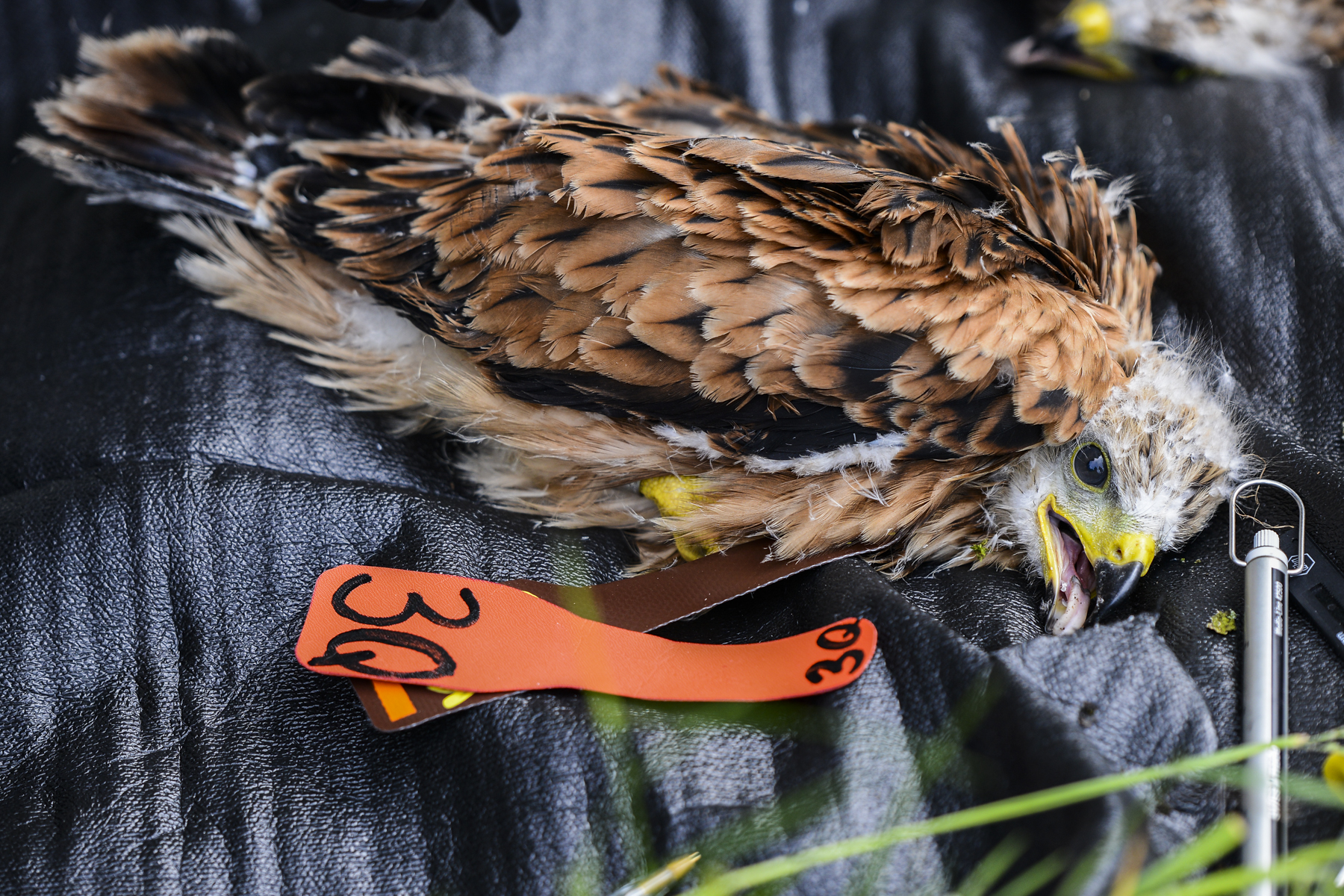
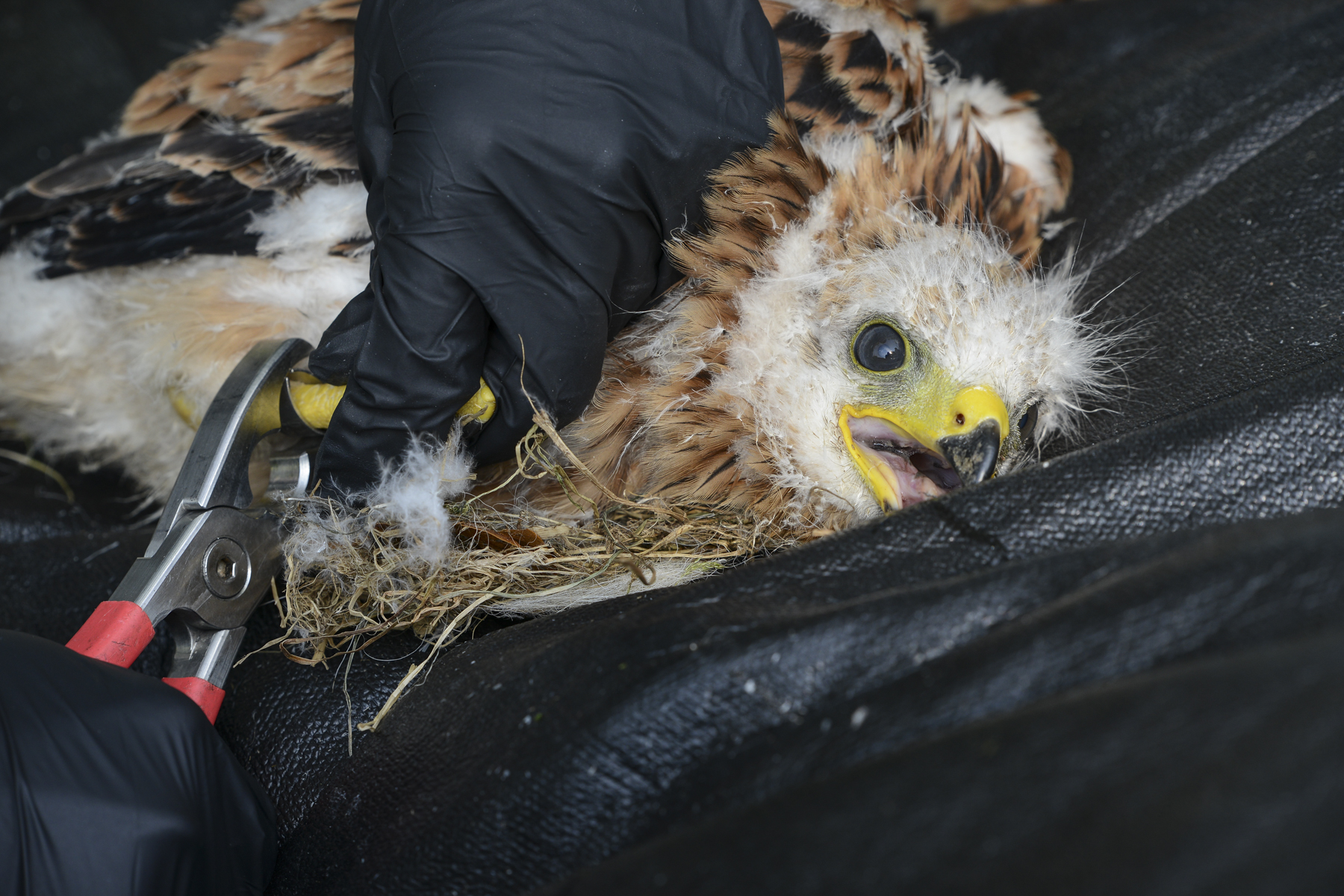
Young Red Kite waiting to be tagged While in the other photo it’s getting a leg ring fitted. Notice the young birds just stay still, they play dead.
I will give some measurements and weight for adult birds .
Length: 60-66cm or 23-26 inches
Wingspan: 154-170cm or 60-67 inches
Weight: 750-1600g or 1.6-3.5 pounds
We watch the young Kites getting stronger by the week as they lose their down for full feathers, flapping their wings to build strength for flight. Once flying juveniles move on after four weeks.
Its at this time we get a short break before autumn arrives and the dark evenings. Time to warp up warm and look forward to roost counting season.
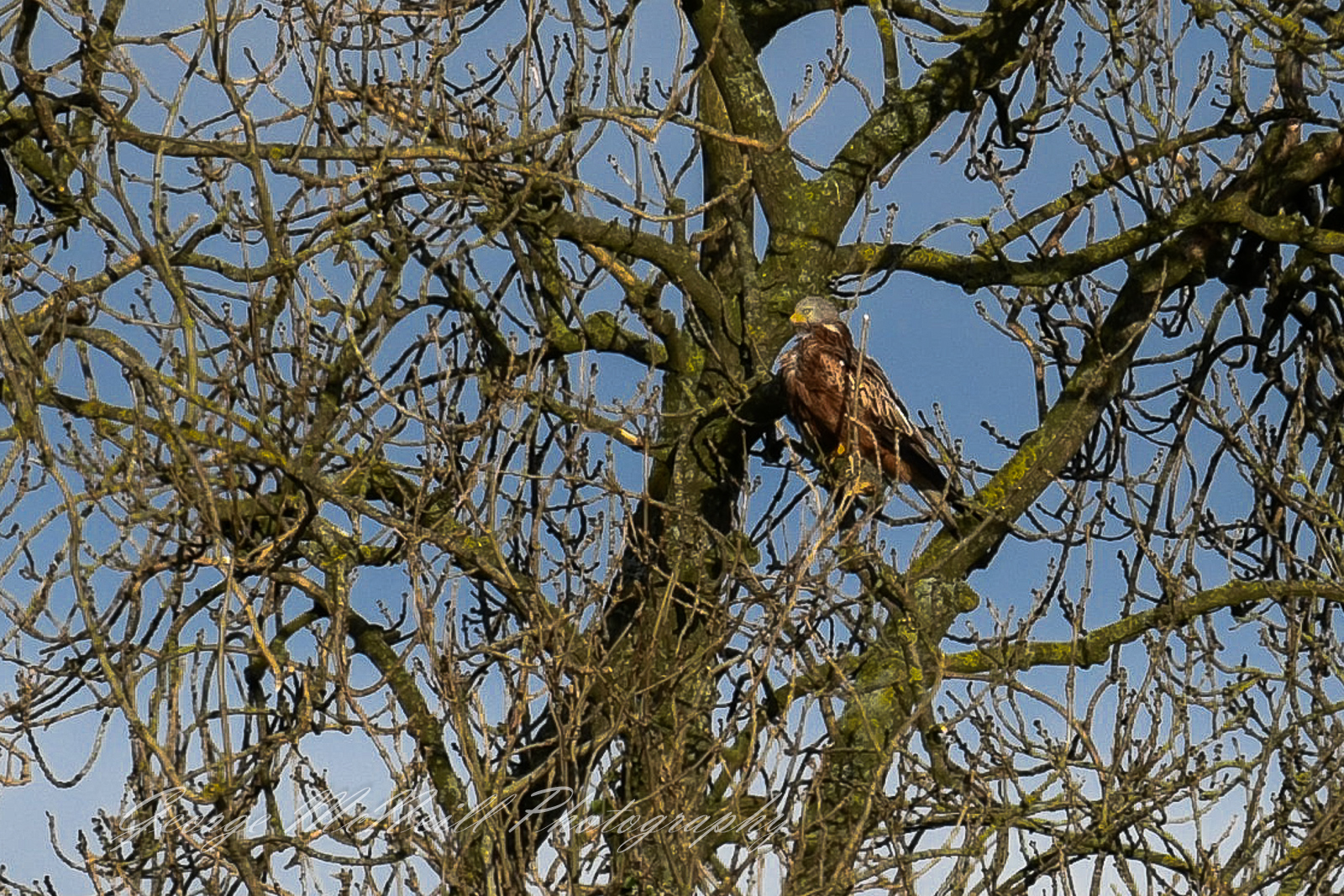

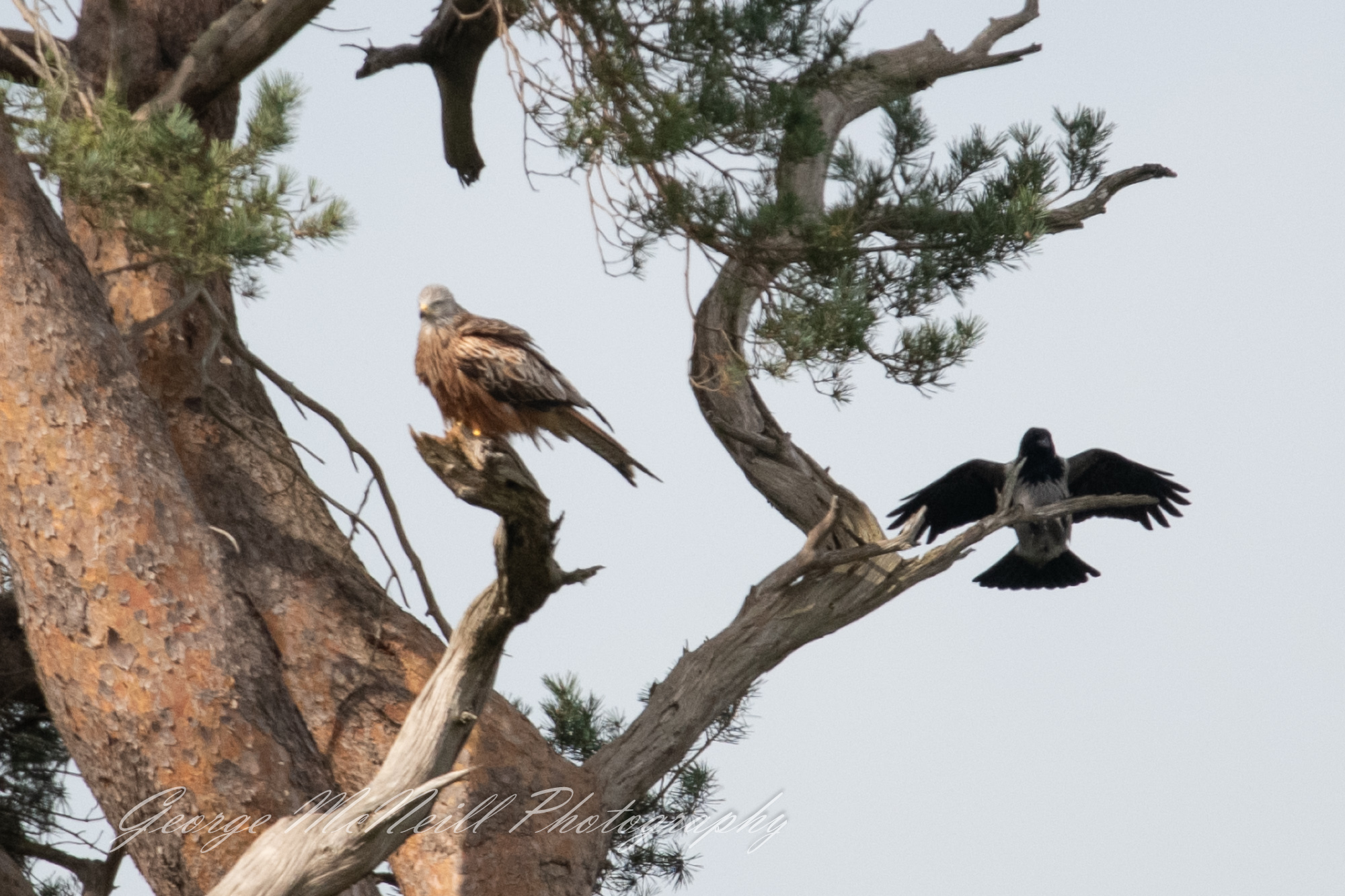
I’ll leave you with a few photographs of this beautiful bird and thank you stopping by.
Stay safe,
George.


https://www.instagram.com/g.mcn.photos/
 George McNeill Photography
4 responses to “First Posting in a couple of years.”
First off, congratulations on the retirement. I can definitely say I never looked back after making that call. Now the Red Kite…wow, that is a cool bird. We have the White tailed variety over here to enjoy, but I do really like your resident variety. Thanks for introducing me to this species!
LikeLike
Thank you for your comment, yes retirement is a great gift to ones self. More time to spend in nature.
LikeLiked by 1 person
Welcome back and you’ve been missed!! Congratulations on your retirement and new volunteer opportunity! Looking forward to seeing some of your wonderful photos as you enjoy less stressful times.🙂
LikeLiked by 1 person
Happy retirement George, and what a great way to volunteer! Love the shots of it in flight.
LikeLike