First Posting in a couple of years.

There as been a few changes in my life over this last couple of years, changes where I stepped back from posting. Taking time to look after myself from the stress of my employer moving me to a different location to work. I survived and retired in December 2024.

So my first post is about volunteering with the RSPB as a Conservation Officer on The Northern Ireland Red Kite Project.

These birds were reintroduced back into the north of Ireland in 2008 with young birds from Wales. 2010 saw the First Red Kites to hatch in Northern Ireland in 200 years.

They are monitored most of the year, Winter means being out in all weathers till dark doing Roost counts. These birds like some other birds of prey are social and roost in groups, first we need to find the roosting sites. Then count how many are there, This information is relayed back from all the volunteers from different roosts. it gives an indication of how many are in the area.

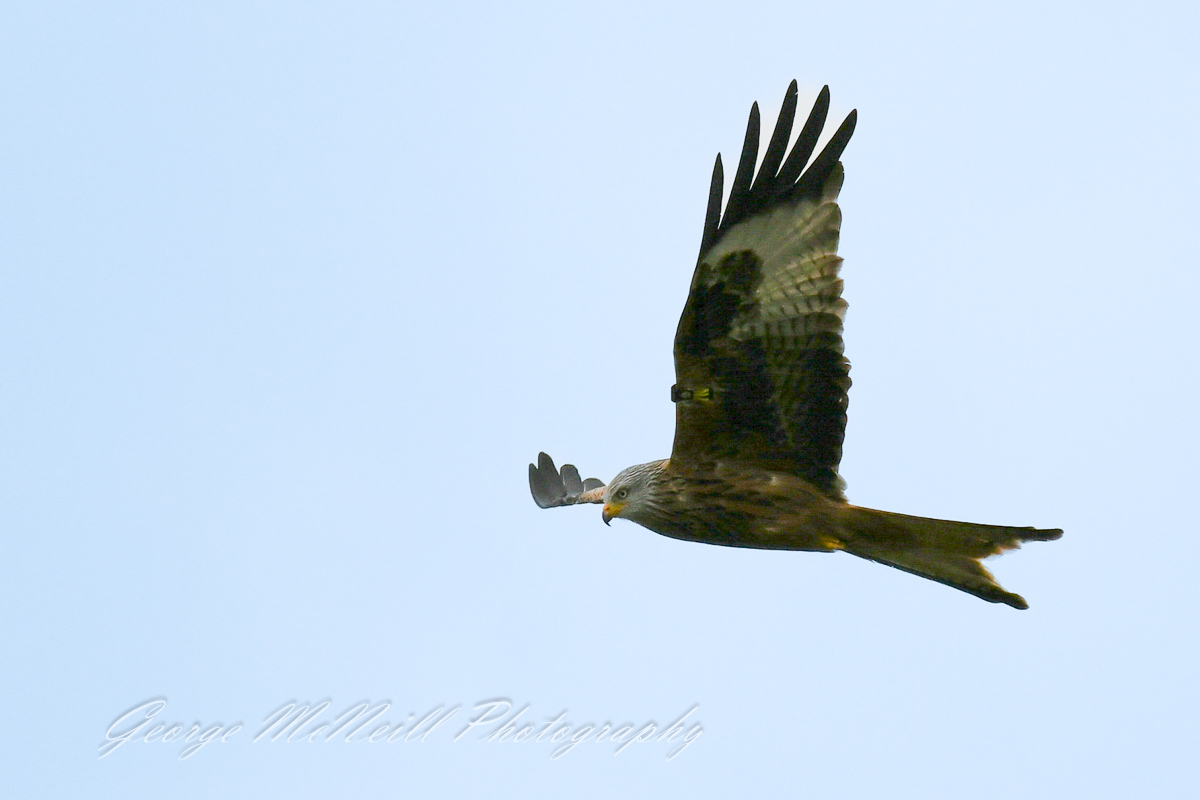
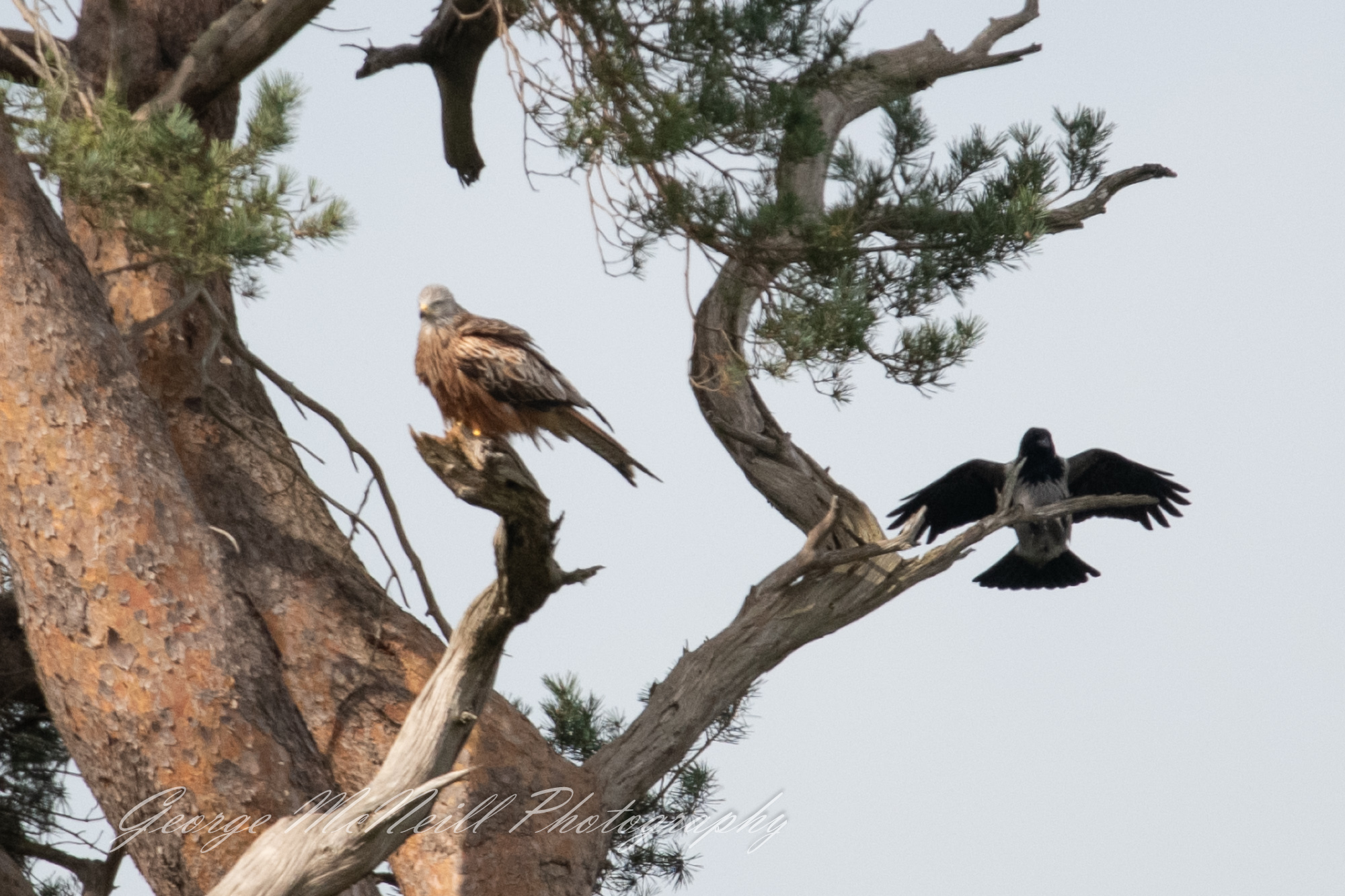
Red Kites hunting for food.

You can see in the above photos wing tags on some of the birds, brown tags on the left wing means it a Northern Ireland bird. The colour tag on the right wing gives the birth year, there are numbers and letters on the tags which help in with nest and year information. Also you can see the forked tail from which it gets it name.

Next comes Spring and nest building time. Red kites mate for life and will reuse the same nest if they were successful in rearing a family in it the previous year. But if unsuccessful will move to a new nest site. This becomes race to find them before the trees get their leaf covering. Plus we get help from the public who report possible nest sites. We monitor the nest for the sight of chicks, when they are five to six weeks old the identification tags are fitted to the wings and leg. you have to be licensed to handle and tag these birds.
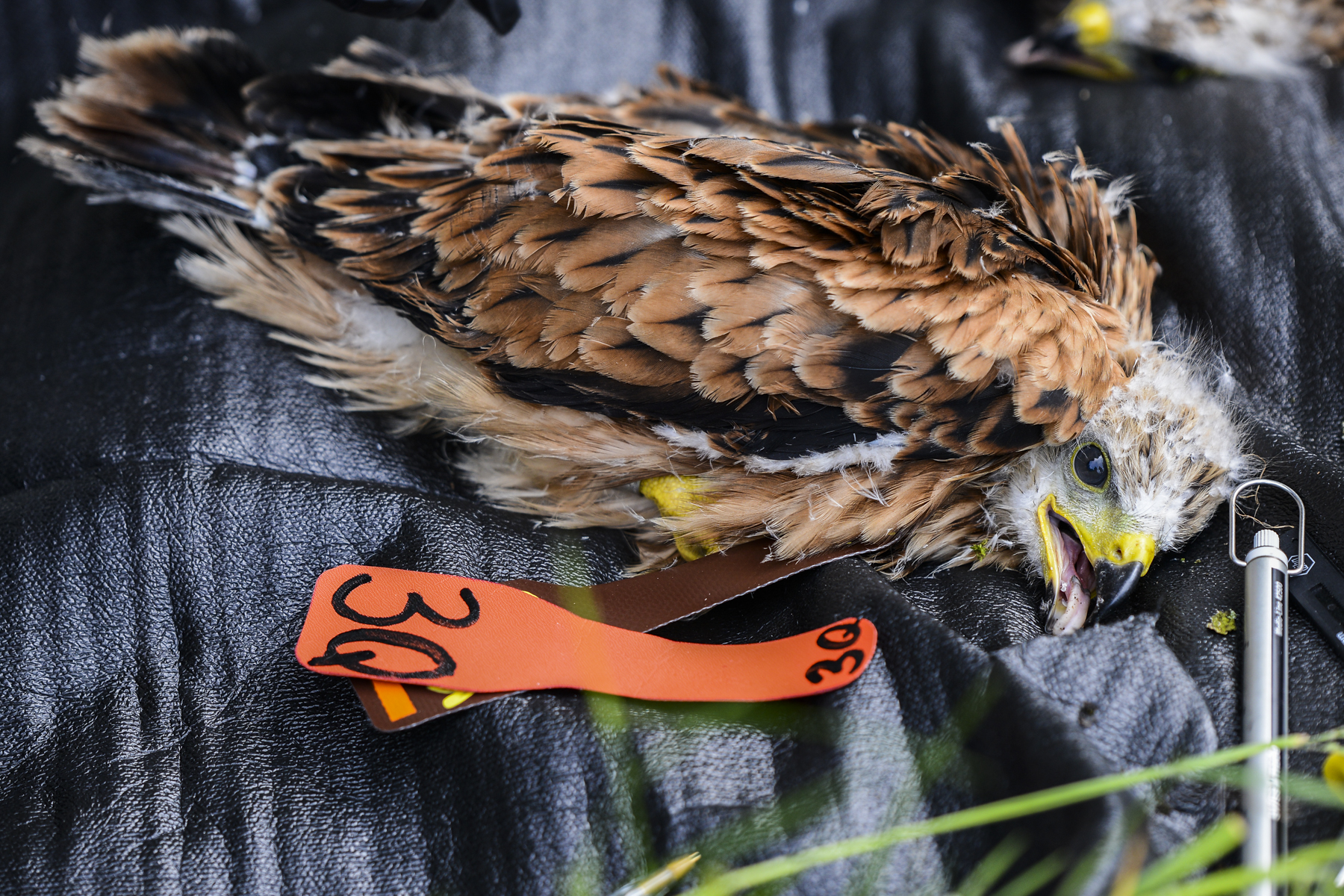
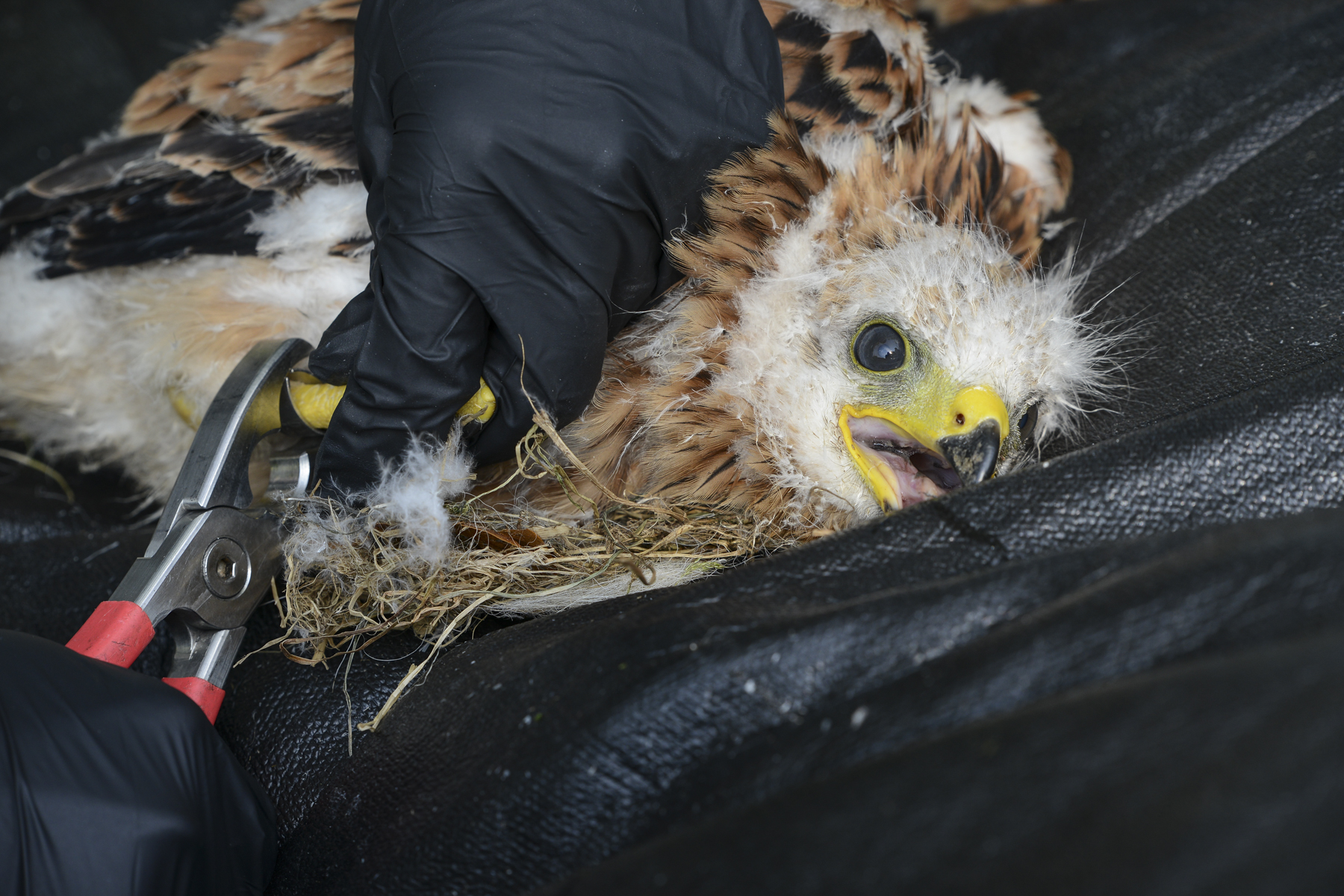
Young Red Kite waiting to be tagged While in the other photo it’s getting a leg ring fitted. Notice the young birds just stay still, they play dead.

I will give some measurements and weight for adult birds .

Length: 60-66cm or 23-26 inches

Wingspan: 154-170cm or 60-67 inches

Weight: 750-1600g or 1.6-3.5 pounds

We watch the young Kites getting stronger by the week as they lose their down for full feathers, flapping their wings to build strength for flight. Once flying juveniles move on after four weeks.

Its at this time we get a short break before autumn arrives and the dark evenings. Time to warp up warm and look forward to roost counting season.
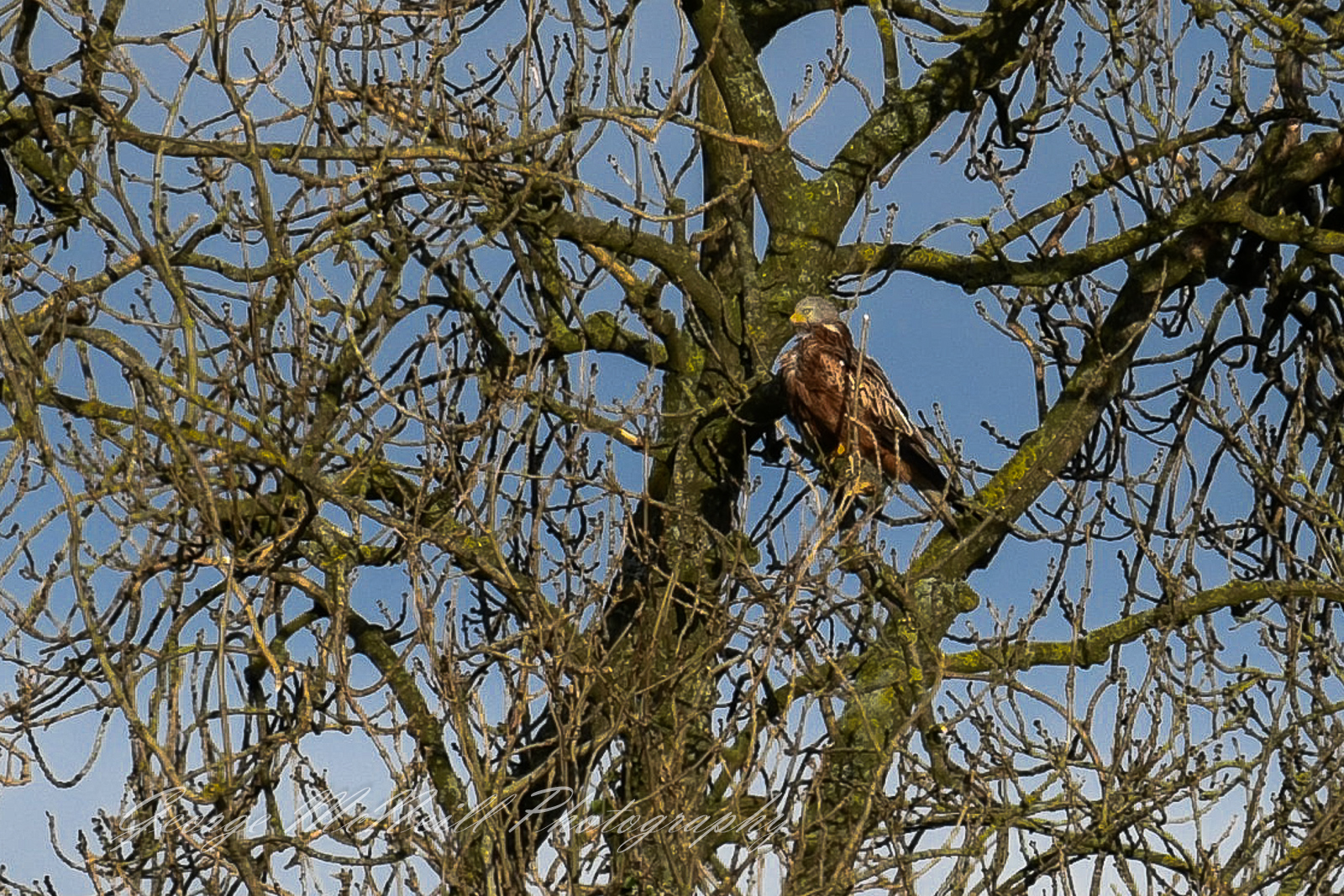
I’ll leave you with a few photographs of this beautiful bird and thank you stopping by.

Stay safe,

George.

Your Messages are appreciated

Go back

Your message has been sent

Warning

https://www.instagram.com/g.mcn.photos/

4 responses to “First Posting in a couple of years.”

  1. doerfpub Avatar

    First off, congratulations on the retirement. I can definitely say I never looked back after making that call. Now the Red Kite…wow, that is a cool bird. We have the White tailed variety over here to enjoy, but I do really like your resident variety. Thanks for introducing me to this species!

    Like

    1. George McNeill Avatar

      Thank you for your comment, yes retirement is a great gift to ones self. More time to spend in nature.

      Liked by 1 person

  2. A Curious Introvert Avatar

    Welcome back and you’ve been missed!! Congratulations on your retirement and new volunteer opportunity! Looking forward to seeing some of your wonderful photos as you enjoy less stressful times.🙂

    Liked by 1 person

  3. Janet Avatar

    Happy retirement George, and what a great way to volunteer! Love the shots of it in flight.

    Like

Rathlin Island

Rathlin island sits about six miles off the north coast of Northern Ireland and around 11 miles from Scotland. In the spring/summer months sea birds in there hundreds converge here for the breeding season.

The Island is a dog leg shape around 8 mile long and around 1 mile wide, there are three lighthouses at the three points. The south lighthouse is closest to the N.Ireland shore, the East lighthouse looks out towards Scotland and it here that Robert the Bruce hid in a cave close to the lighthouse during the  First War of Scottish Independence against England. He fought successfully during his reign to regain Scotland’s place as an independent kingdom and is now revered in Scotland as a national hero.

Looking across the Irish sea to Scotland 11 miles away from Rathlin. Island..

rathlincommunity.org

Its’ at the other end off the island the main centre for sea birds lies at the West lighthouse. It’s a reserve run by the RSPB and a bus runs from Church Bay out to the centre. The first thing is the noise from Thousands of sea birds fill the air and the other can be the smell that can fill the air if the wind blows in the wrong direction. But the sight you will never forget.

This is the top of one of the sea stacks, covered mostly with Guillemots.

Guillemots on another sea stack,

https://abhainncruises.com/portfolio-items/rathlin-island-trip/

The above photo is from abhainncruises.com and is a view of the west lighthouse. It’s different from the normal due to the light being at the bottom, you can see it here in this image situated in front /bottom of the main building.

The next images will be from the main viewing platform which is on the left of this image.

Kittiwake nests on the ledges high above the shore. These are true seagulls, with non-breeding period spent entirely at sea.

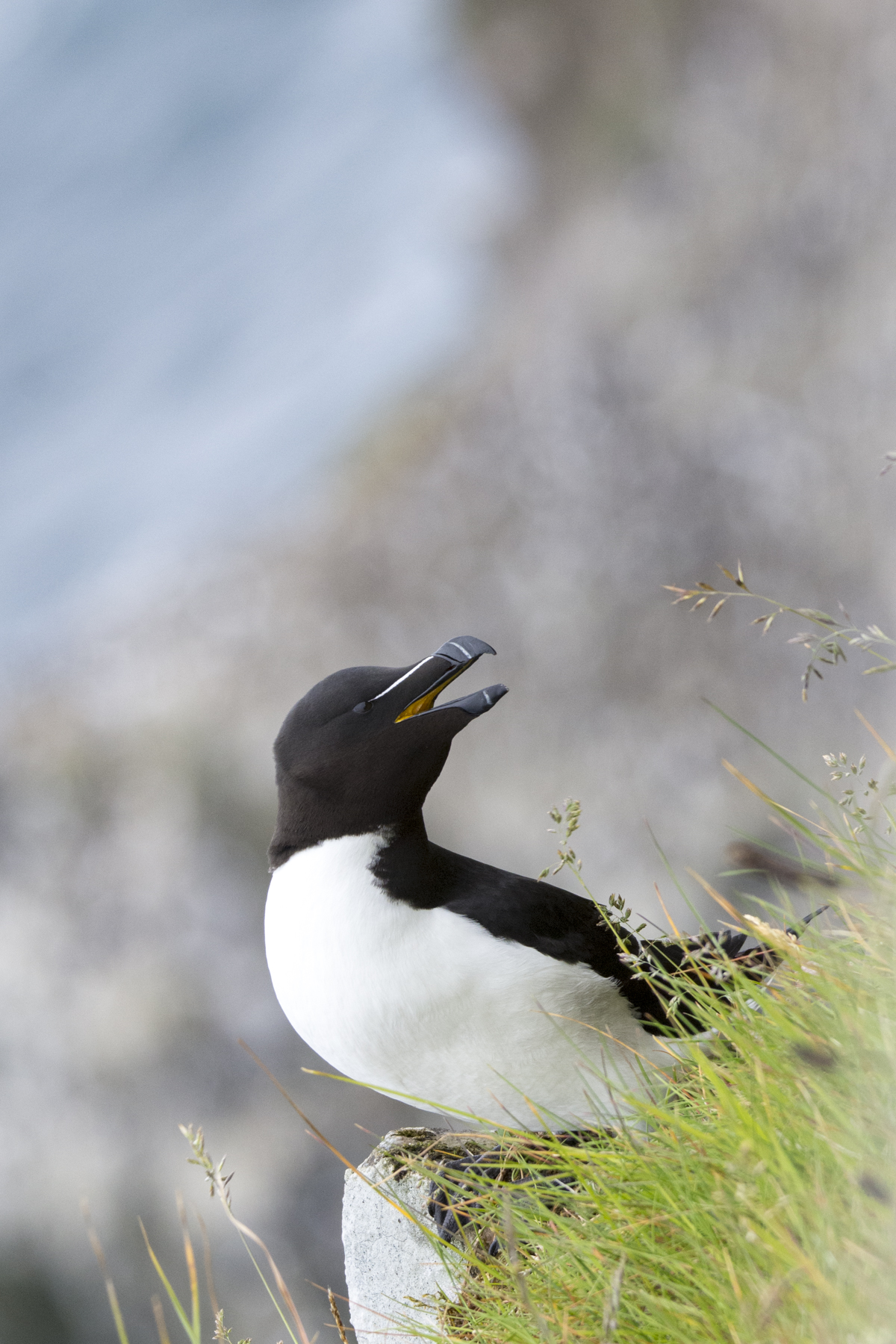
Razorbill, note they lay there eggs on the rock without a nest. Another bird that is rarely seen outside the breeding season. It spends most of it time far out at sea.

Razorbill. A beautiful bird with it’s striking marking on the bill.

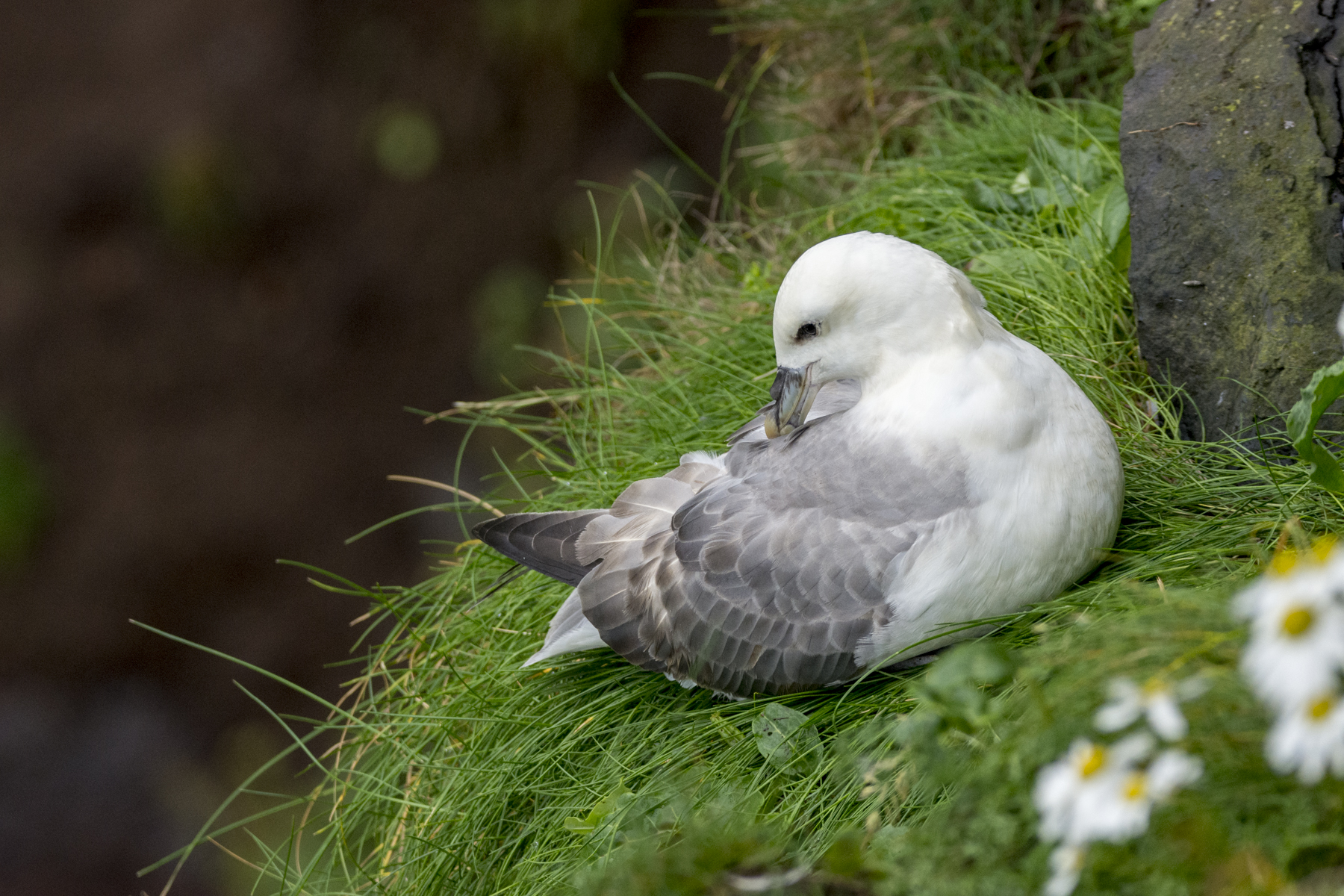
Fulmar: to me this is one of our most beautiful seabirds, And to watch them fly in to land is a marvel to watch. They approach at high speed looking like it not stopping, then land so softly. Or to watch them hang on the wind coming off the cliff faces, truly amazing. has the next photograph shows.

Fulmar: Hanging on the breeze.

Fulmar: hanging the breeze.

This is all from Rathlin at this time. Planning a walk around part of the Island soon.

thank you all for viewing, take care

George.

Before I go I’d like to say hello to Evelyn and her mum who chatted to me on the ferry back to Ballycastle. Thank you for taking time to look at some off my images and enjoy your life at university.

ATB George.

https://www.rspb.org.uk

http://www.rathlincommunity.org/visit

Portmore Lough

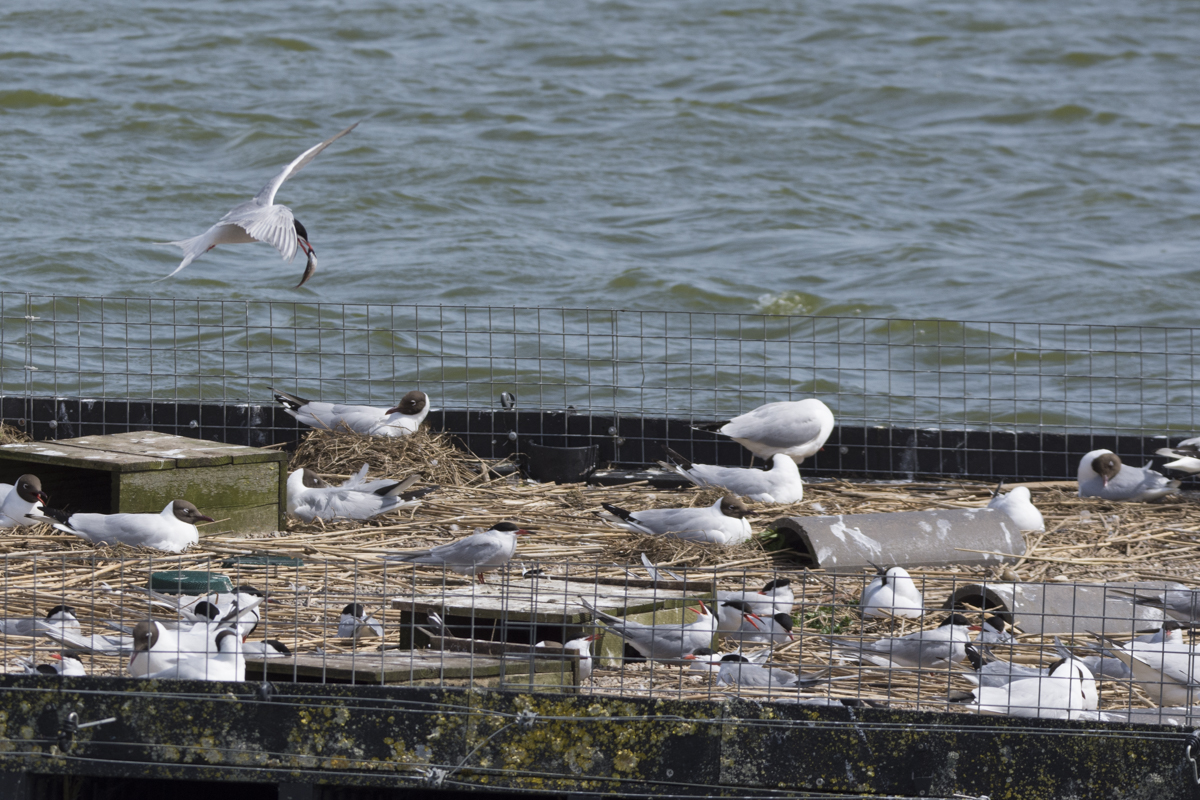
Portmore lough is in County Antrim here in the north of Ireland. It is one of the RSPB nature reserve’s I like to visit Portmore a few times a year. Spring time brings in the Common Tern to the nesting rafts on the lough and so on a hot sunny spring day ( note these are not words we use a lot in Ireland ) I arrive at the reserve. With only a few cars parked up it meant the hide by the lough would be quiet. The walk to the hide showed butterflies and damselflies were out, but a breeze blowing made closeups difficult.

nature-2642.jpg

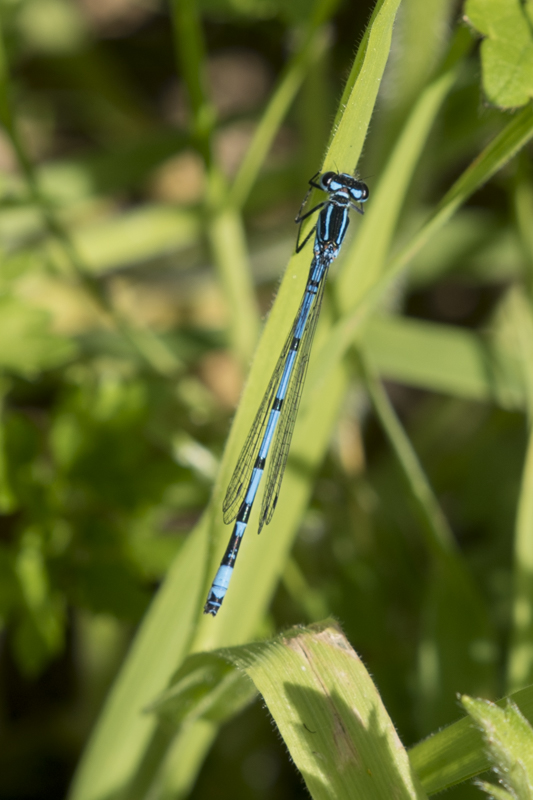
Blue Damselfly. Getting  a shot of this was hard work, even this one could have been sharper.

nature-2640.jpg

Yep it’s a red Damselfly.  These seemed to land on the ground which helped with the wind, but hard on the knees.

nature-2574.jpgnature-2629.jpg

Black-veined  white butterfly. This one is a little battered, it was the only shot I got plus a workout. Then it was into the bird hide or bird blind depending when you are from. Two women were there and after a short update on what was seen I set up the camera. There are three nesting rafts and has well as Common Tern’s there was Blacked Gulls nesting.

nature-3874.jpg

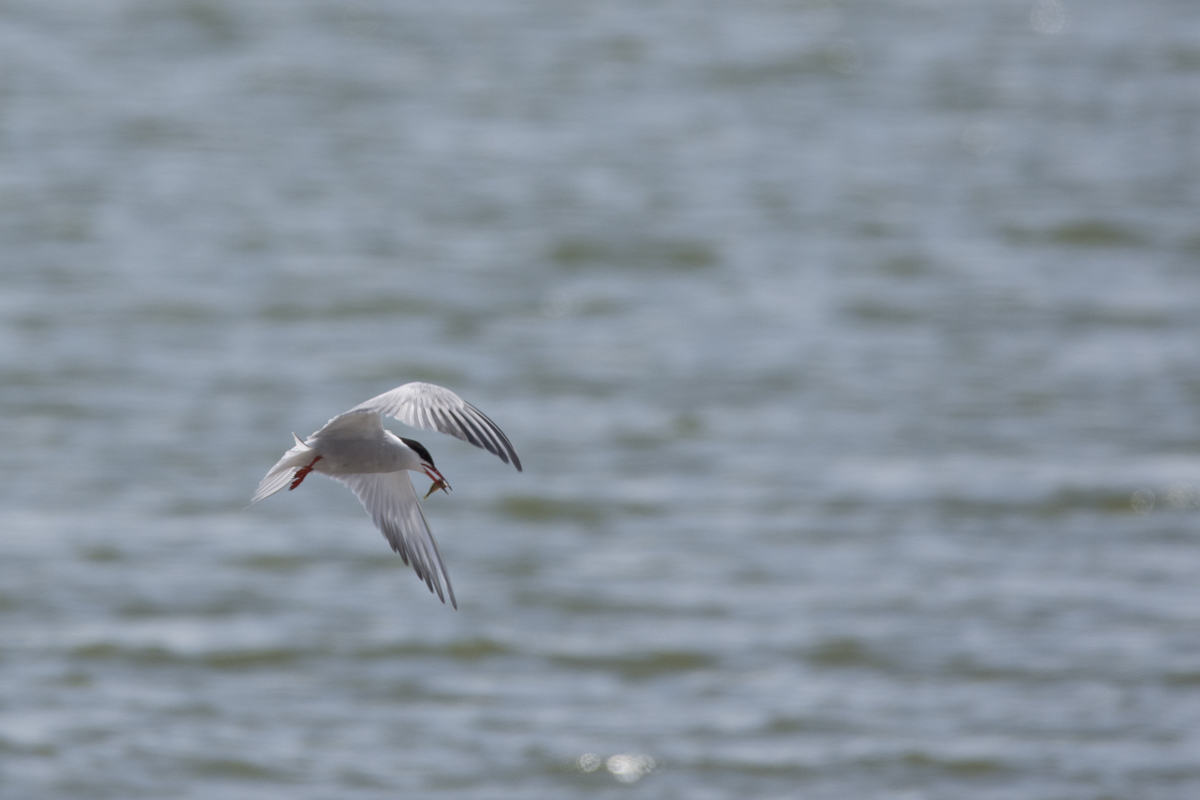
A Common Tern bring in lunch. I sat and watched the coming and goings around the rafts for an hour. I find by spending time studying these birds, patterns arise. This helps to get photographs, so lets meet the Common Tern and Black Headed gull.

nature-3865.jpg

nature-3932.jpg

nature-3740.jpg

nature-3818.jpg

nature-3817.jpg

nature-3821.jpg

nature-3846.jpg

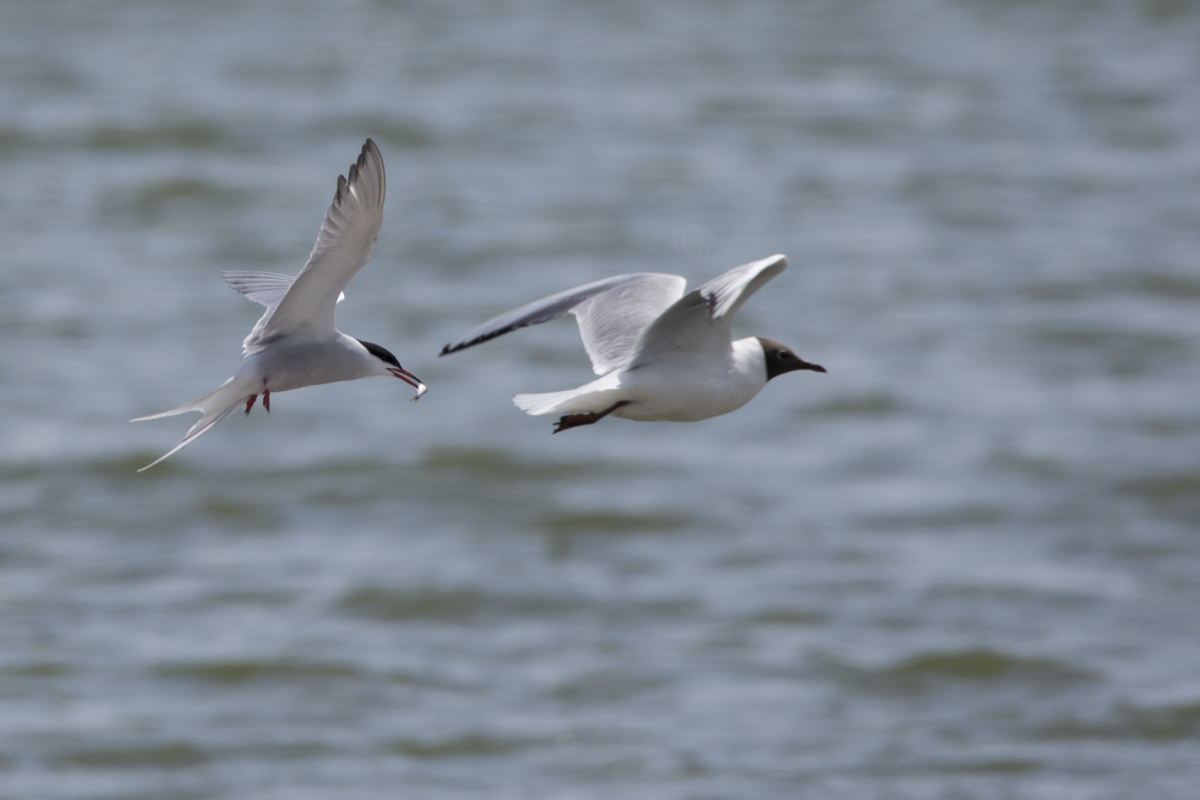
This photograph shows the Common Tern ( left) and the Black Headed Gull.

nature-3903.jpg

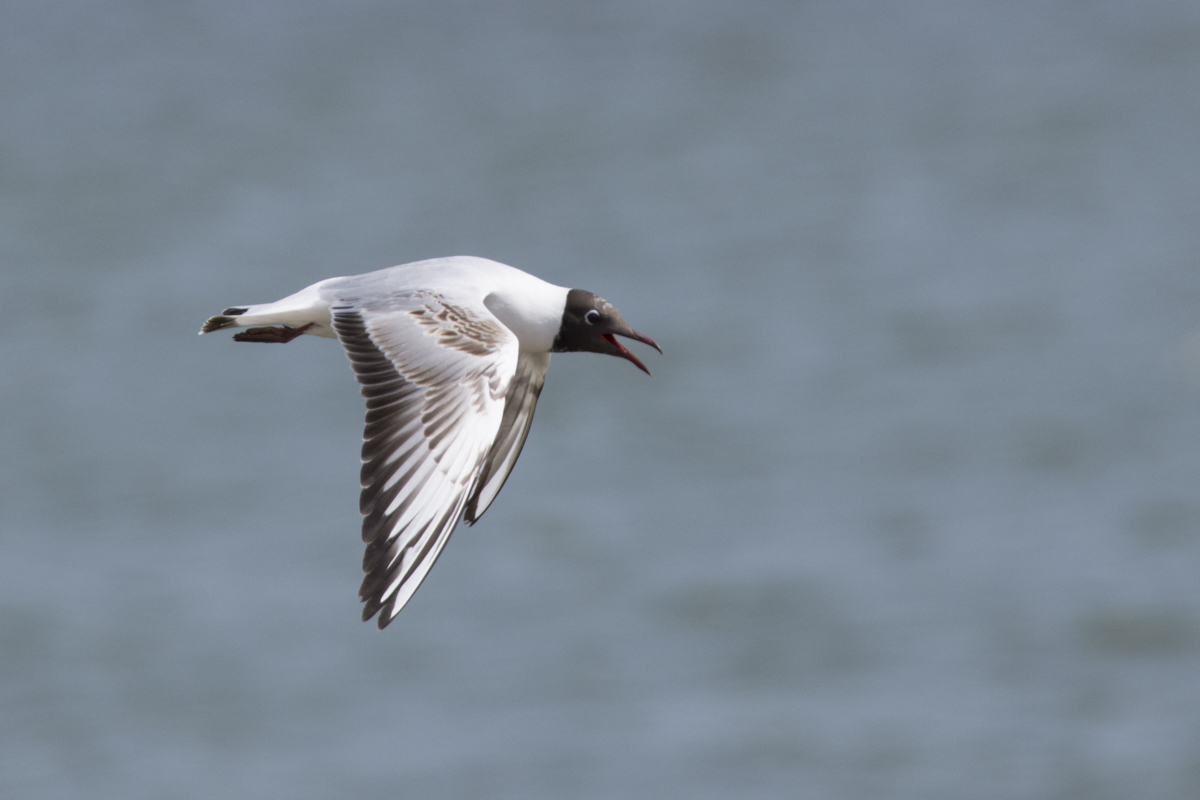
This gull is a young immature Black headed gull. On the way back to the car park I stopped close to the feeders and shot this Sparrow.

nature-2650.jpg

I believe this is a House sparrow. So it was back to the car and pack my gear away and the 40 minute drive home.

Thank you for visiting.

George.


The birdie place.

Okay so I thought I’d go up to Portmore Lough in County Antrim. It is a RSPB reserve. ( RSPB ) Spent time in the hide on the lough shore, talking to some of the people who help in the running and up keep of the reserve. Below are a few of the photographs.


portmore-1.jpg

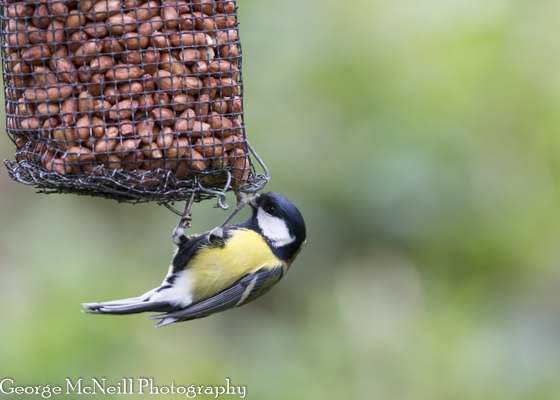
Frist up is a Great Tit ( Parus major ) at one of the feeding stations , these are right beside the walkways and a great place to see and photograph birds up close.


portmore-7.jpg

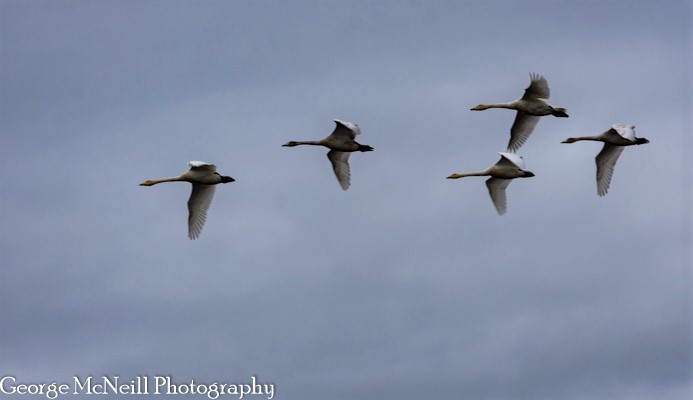
Whooper Swans (Cygnus columbianus) in flight, There where around 60 – 100 of these swans on the lough but all at the far side well out of camera range. Most of these birds migrant here from there breeding grounds in Russia.

portmore-9.jpg

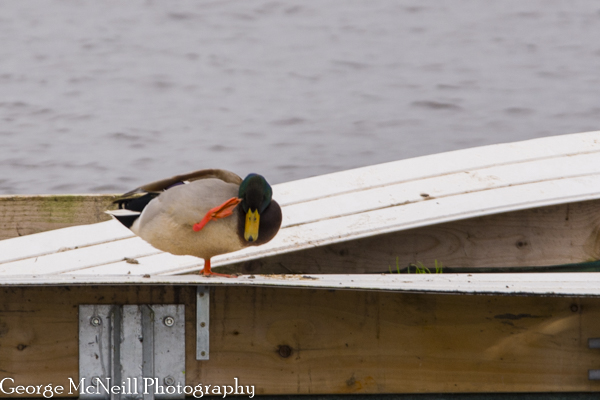
I salute you, a male Mallard (Anas platyrhynchos) on a floating platoon grooming.

portmore-6.jpg

The Great Crested Grebe (Podiceps cristatus) in its duller winter Plumage. Sometimes a hard bird to follow has it dives for fish and resurfaces else where.

portmore-11.jpg

portmore-12.jpg

House sparrow (Passer domesticus) These little birds are a gardener’s friend has they feed on unwelcome insects. Also one of the most successful birds has it is found in nearly every country in the world.

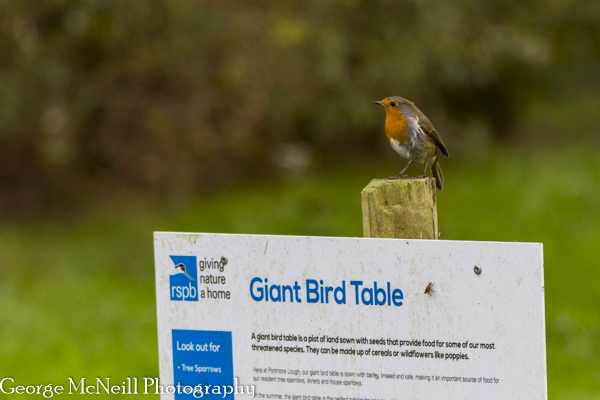
So will leave you with this little fellow.Who just had to be the first in the queue.

portmore-10.jpg

The Robin (Erithacus rubecula)

Thank you for visiting .

George.