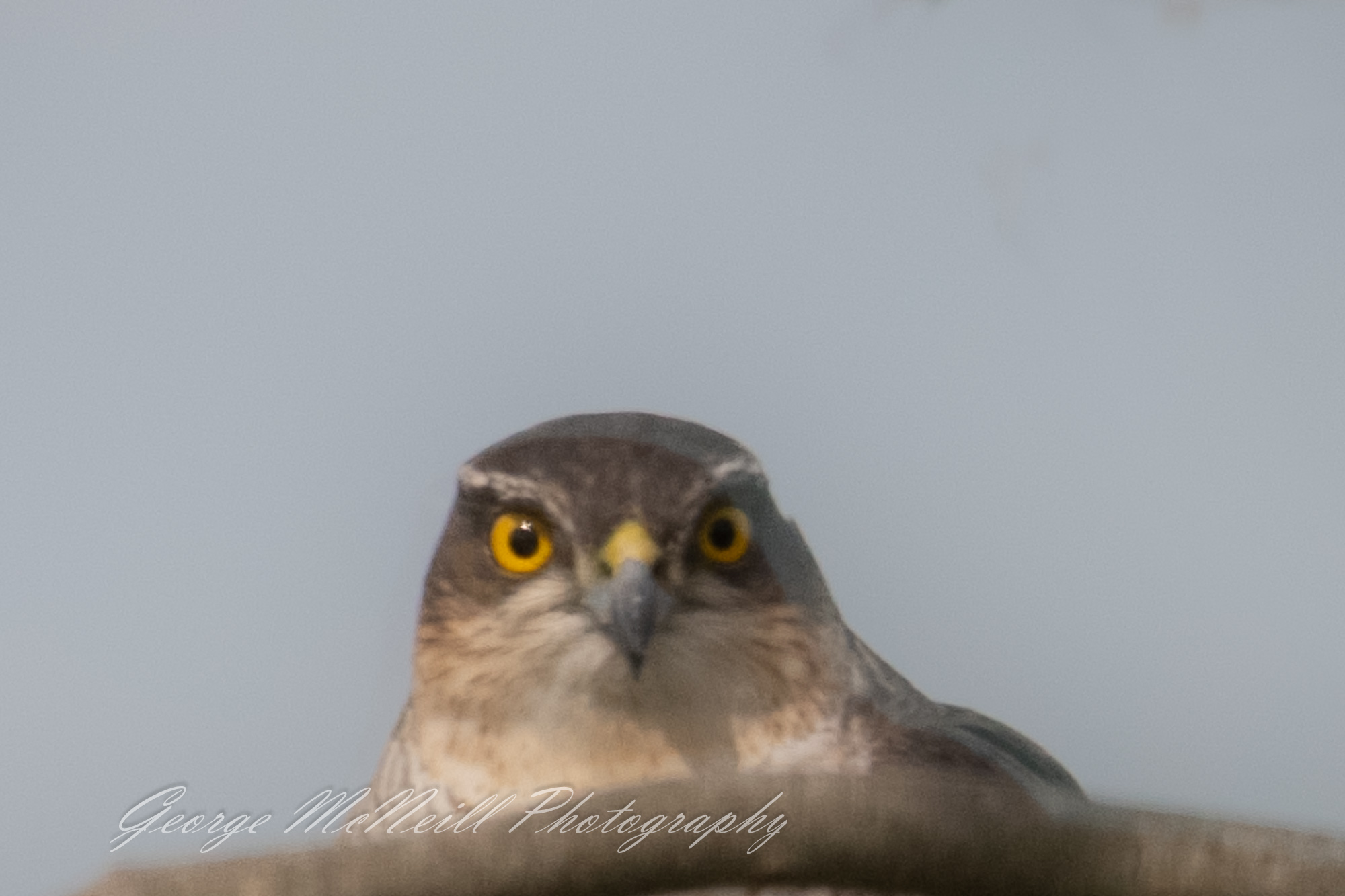
It’s in the eyes.

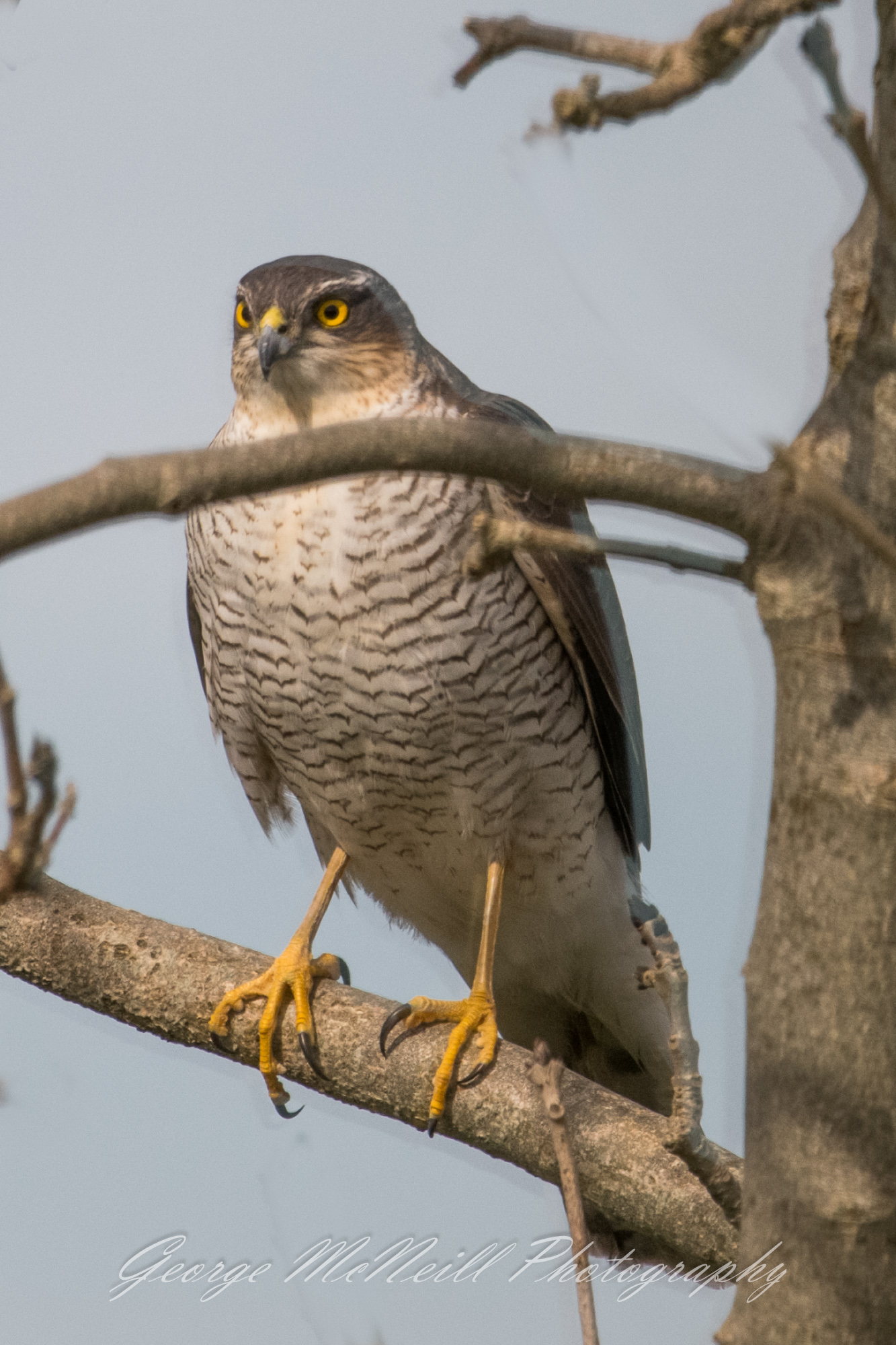
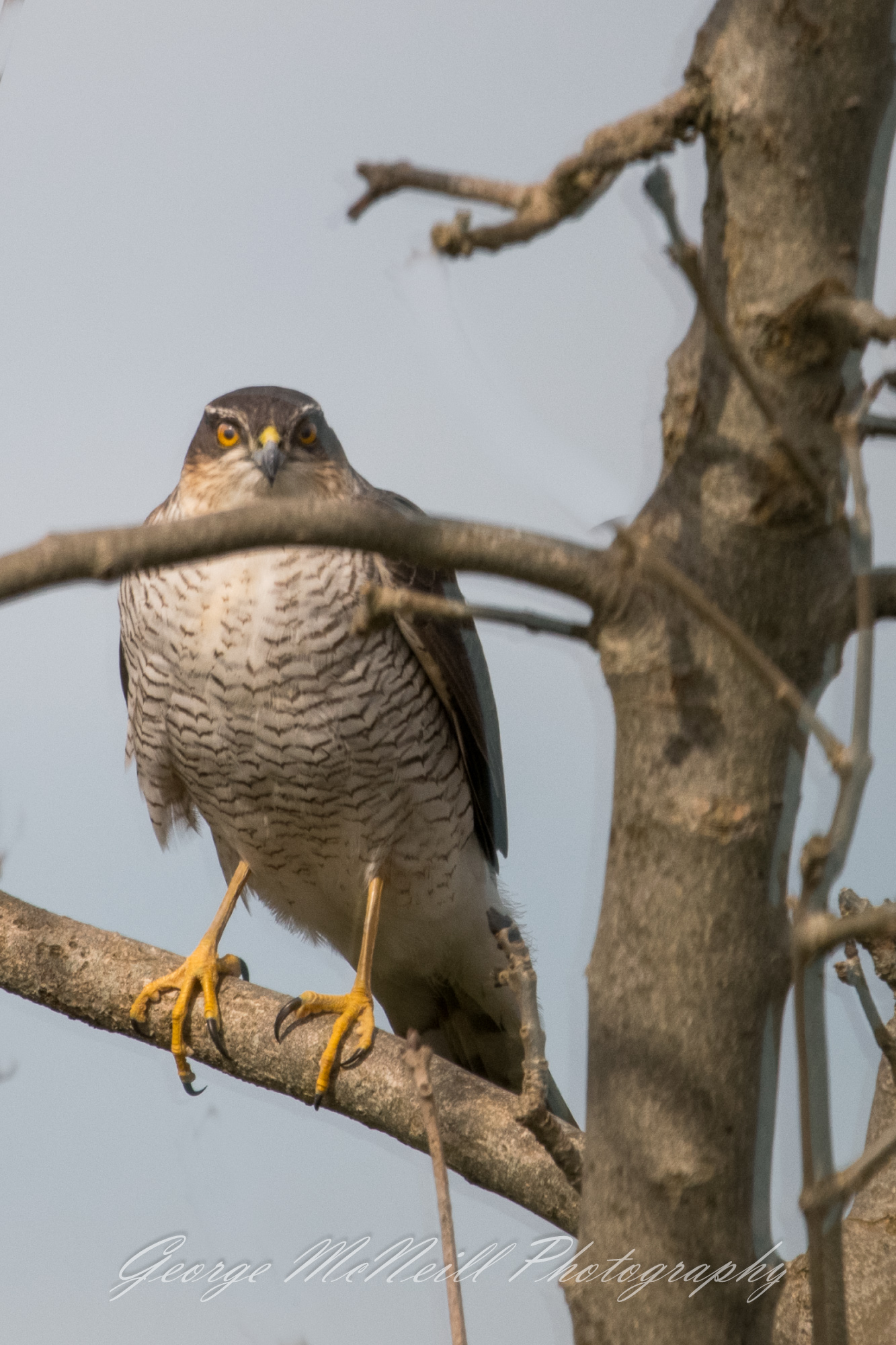
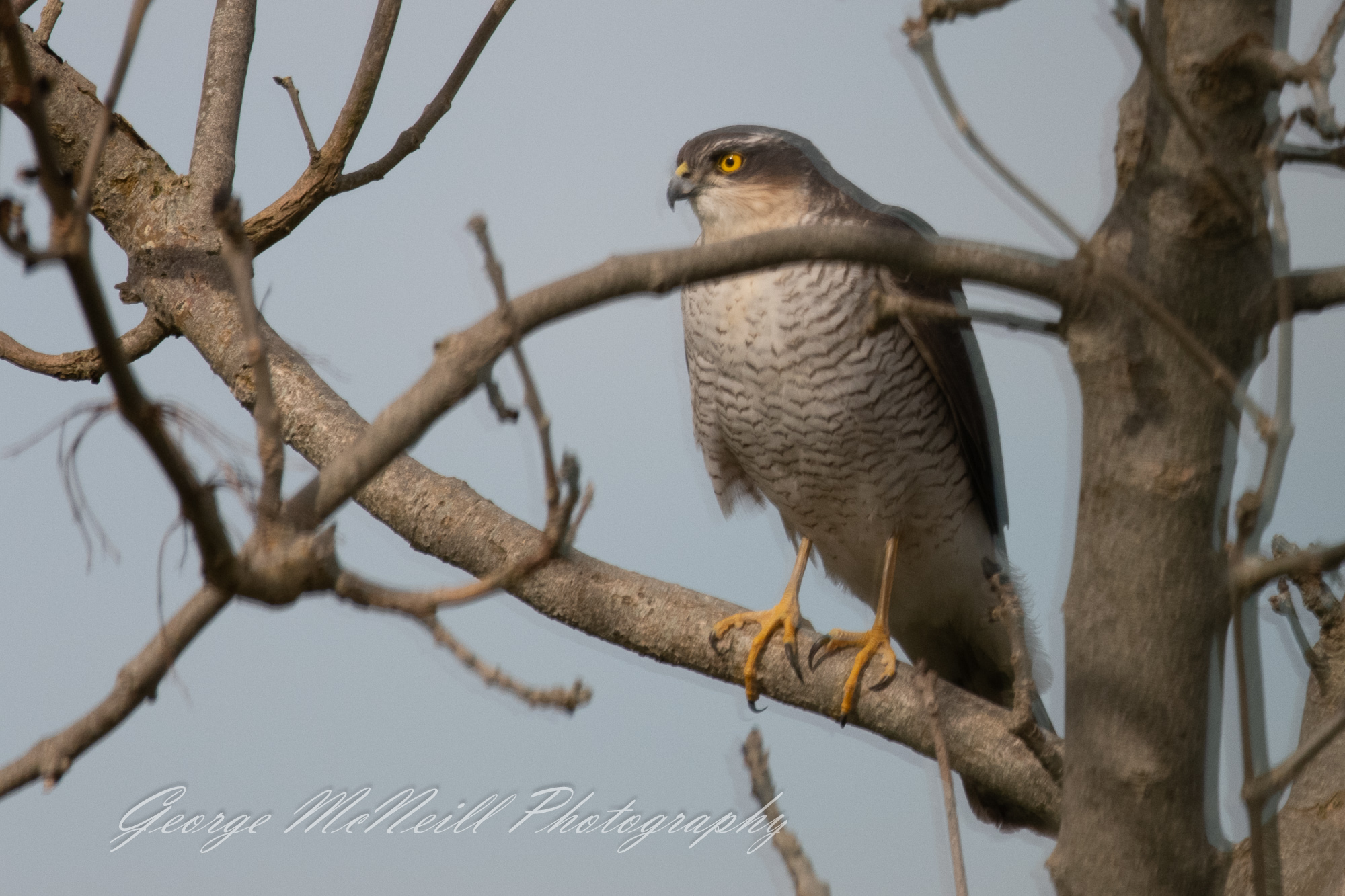
Meet the Sparrowhawk (Accipiter nisus) a bird of prey that is a specialist small bird eater. It uses hedges and buildings for cover to get closer to it’s prey. It is an exceptionally agile hunter commonly seen hunting in woodland, wooded farmland and urban green spaces. Also they turn up around bird feeders in gardens.

I was sitting in the van monitoring a possible bird of prey nest site, when movement caught my eye in a tree on the other side of the road. It was those eyes looking at me as I froze, not want to scare it off I remained still. It settled and started looking around, so it didn’t see me as a threat. I lifted the camera and leaned over so I could photograph it from the open passenger side window. I got around twenty photos before a passing vehicle scared it off.
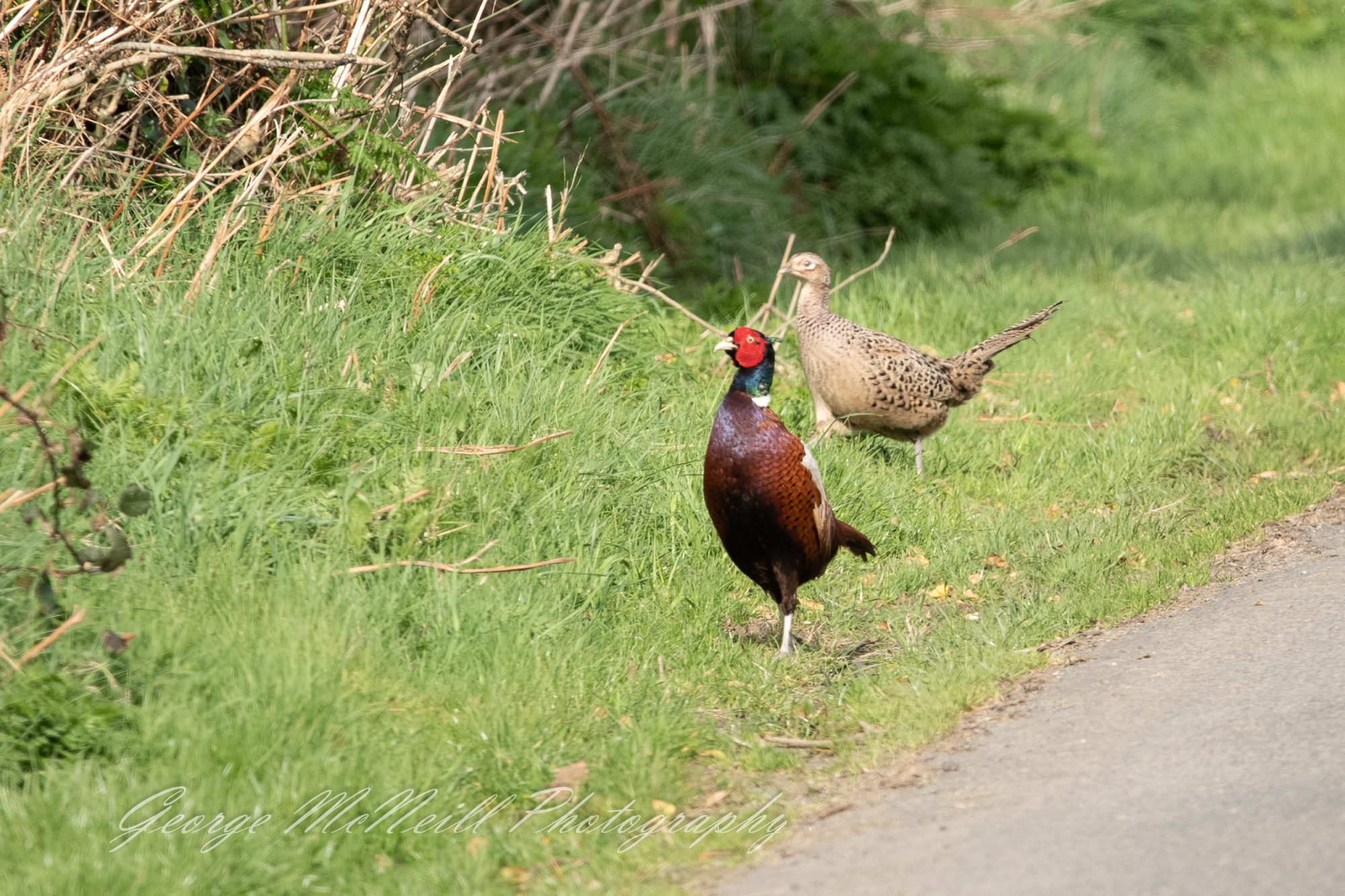
The next photograph is off a pair of Pheasants (Phasianus colchicus), a male and female. They appeared from a gateway down the road from me, so my camera is never far away. This handsome bird is thought to have been brought into the UK around 2000 years ago by the Romans. They are now found across the whole of the UK and Ireland. The male mates with more that one female who is left to raise the chicks alone. A clutch of pheasant eggs typically comprises 8–15 eggs. Usually, one egg a day is laid by the hen bird. Once the final egg of a clutch has been laid, the clutch is then incubated for 23– 25 days before the chicks all hatch within a 12-hour window. They remain with the female till around 8 weeks old. Most are raised in the UK on large country estates for game shooting.
Thank you for visiting and joining me out and about in Northern Ireland.

Leave a comment

Black & White Wednesday

Welcome to another B & W Wednesday, hope all is well in you in your part of the world. The norm of this post is a single photograph. I will be posting a few images if they are related to the day and place they where photographed.

So the location is in the Dromara hills close to my home. The morning was heavy fog but around 11.30 am the sun was burning it off and opening the views to that layered effect.

This was taken has I climbed up through Drumkerragh forest has the fog was thinning.

With the fog clearing quickly has I walked higher up into the forest the sound of crows and ravens filled the valley with there calls. Pairs flying from tree top to tree top it gave me a chance to get a few nice images. This one below is off a couple of Ravens on a dead tree.

Raven ( Corvus corax) is a member of the crow family.

https://www.rspb.org.uk/birds-and-wildlife/wildlife-guides/bird-a-z/raven/

In spring if you ever get the chance to watch Ravens do their courting flight, please watch them. They love to fly and at times you might think they have a death wish has they race towards the earth.

Here’s a link to a short Youtube video: https://www.youtube.com/watch?v=rFKcj9aN7ZI

My next encounter was a small bird of prey, a Kestrel. I saw it sitting on a tree top and slowly made my way towards it. I lost sight of it and then has I rounded a group of trees there she sat. I got a few images has she sat looking around her but a bunch of twigs was spoiling them. Then she took off and came my way drifting on the breeze looking for prey. Nearly above me she started to hover and that’s when I got the following image.

Female Kestrel.

Kestrel ( Falco tinnunculus ) belongs to the falcon family of birds.

Kestrel:https://www.woodlandtrust.org.uk/trees-woods-and-wildlife/animals/birds/kestrel/

These are another fun bird to watch has they hover in the sky looking for small prey on the ground, when spotted the drop at great speed onto there prey.

Kestrel hovering, this is a great slow motion film. https://www.youtube.com/watch?v=c0D-J0cgJME

Kestrel hovering and the dive in real time: https://www.youtube.com/watch?v=LaRSihpIU34

Hope you enjoyed a little part of my morning walk and a few of the wildlife we have here in Northern Ireland.

Take care and stay safe.

George.

Black & White Wednesday

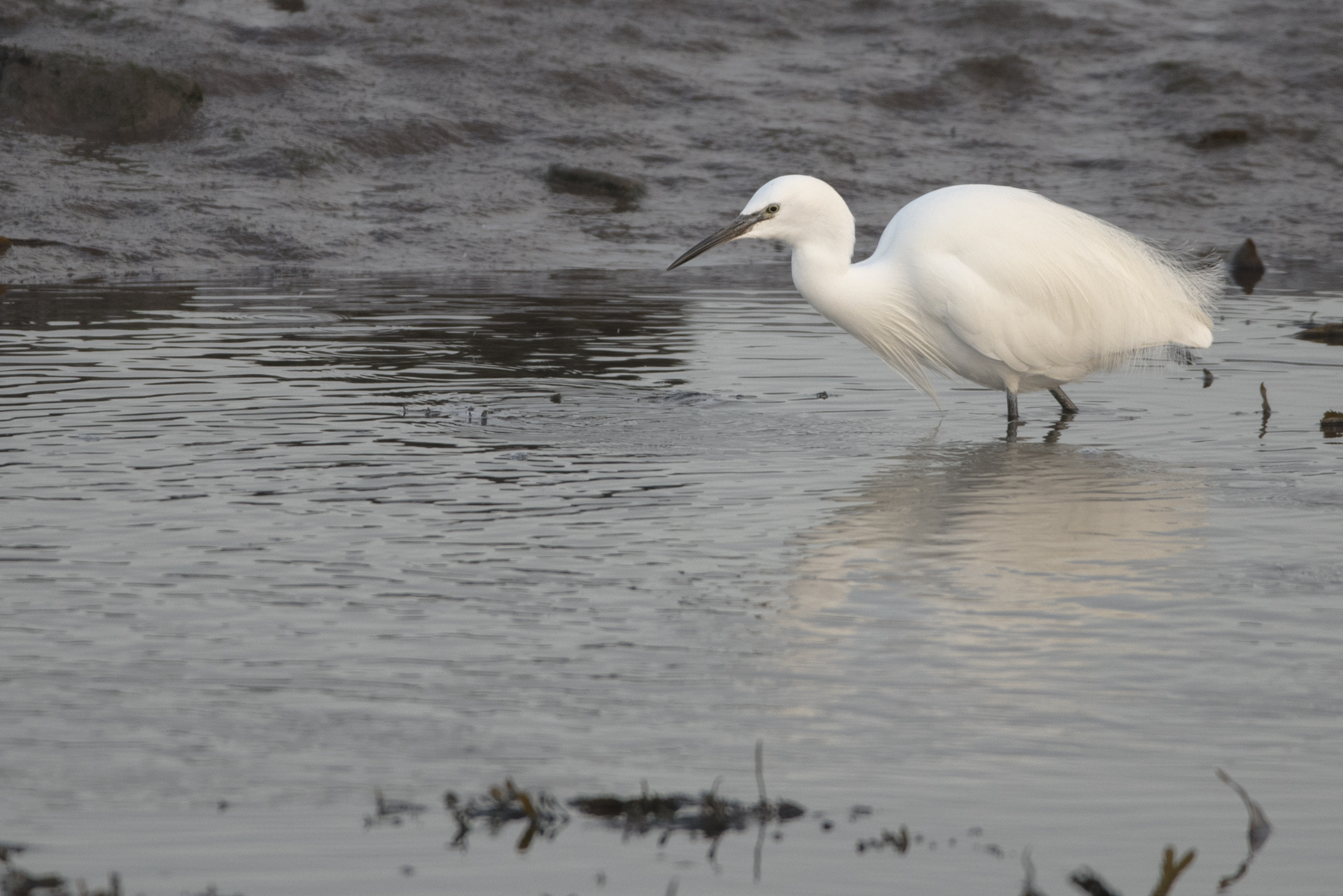
Had a few days break from work and was happy the sun decided to shine those few days. So I spent one of them at a few spots along the County Down coast. The tide was out and I was not counting on much wildlife on the mudflats. But the day left me with some grand photographs. So todays image is one of a Little Egret (Egretta garzetta) fishing in a fresh water stream that runs out through the mudflats.

Little Egret: Egretta garzetta

So it turned out a enjoyable day and may you all enjoy your day.

George.

Camera: Nikon D750 with a Sigma 150-600 mm lens

Data: f/6.3 @ 1/2000 sec: ISO 360, focal length 600 mm

Black & White wednesday

This week we’re off to the coast and a small black and white bird called a Pied wagtail (Motacilla alba) is the subject. They are a common bird here in Ireland and the UK and can be seen all year round. They can be found almost any where, from coast to city centres. When standing they frantically wag their tail up and down or dashing across the ground in search of food.

Pied Wagtail (Motacilla alba).

Camera: Nikon D750 with a Sigma 150-600 mm lens

Data: 1/800 sec @ f/6.3: ISO 320

Lens focal length: 600 mm

Stay safe,

George.

Black & White Wednesday

Going for gunpowder, another photograph from Castle Espie. On the way through the woods we passed the old gunpowder store. nothing would do but a look insider. Not sure if he found any and there was nothing on the evening news. So all good.

The gunpowder store Castle Espie.

I normally post one photograph each week on B & W Wednesday but this week I am posting another from Castle Espie. A view across Strangford lough to Scrabo Tower. I meant to post this with another view across Strangford lough I posted a few weeks back.

Looking across Strangford lough to Scrabo Hill.

Some info below:

https://www.wwt.org.uk/wetland-centres/castle-espie

http://celtandkiwi.com/scrabo/

Thank you for dropping by.

George.

Black & White Wednesday

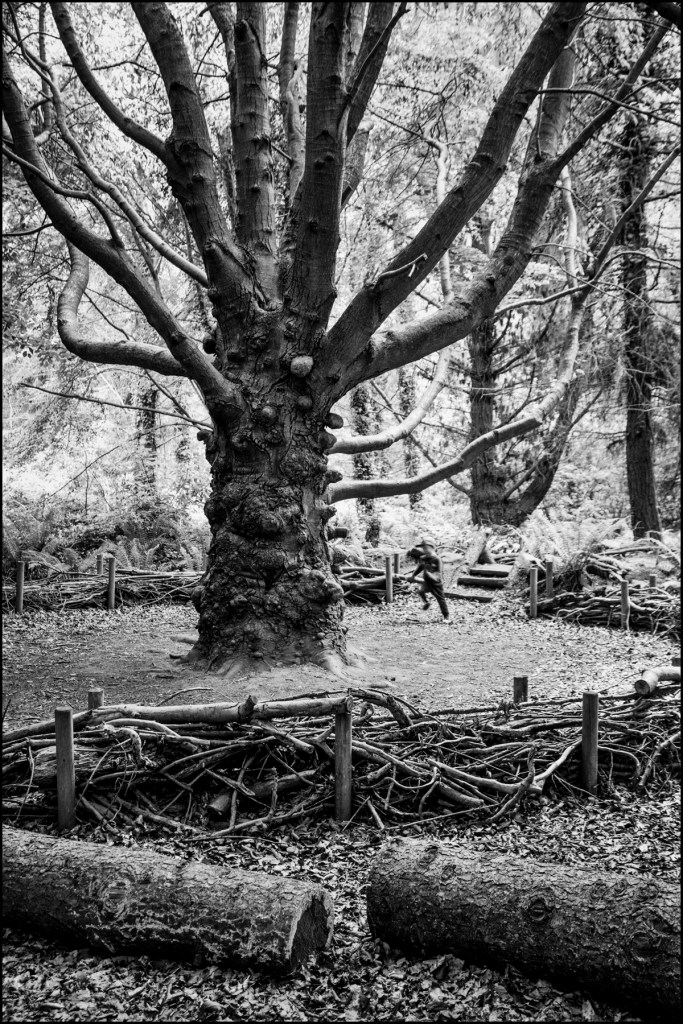
Another photograph from Castle Espie this week. The photograph is of the Wishing tree at the start/finish of the Secret Swamp. The young man running towards it is my grandson, I had asked him to sit at the bottom of the tree. But running was his option not sitting, way to much energy.

The Wishing tree at Castle Espie, County Down, Northern Ireland.

In the photograph he is slightly blurred due to a low shutter speed I had set for him sitting. But I still like the effect, his wish was to run fast. I think he was granted it.

Camera: nikon D7200 with a Sigma 17-70 mm lens.

Data: ISO 320 : f3.5 @ 1/30 second : lens focal length 39mm.

Thank you for visiting.

George McNeill.

What’s happening on this site.

Here we are in March 2020 and I’m writing the first blog post of the year. It’s been a busy couple of years here in my world. Had and have some plans for the site for the start of the year but I’m a little behind, now we have the Coronavirus ( COIID-19) spreading across the world. With every aspect of life effected some of my projects might have to be sidelined for awhile depending on travel restrictions.

So I have been out a few times with the camera around the coast here in Northern Ireland, so below are some for the birds wintering here.

Dundrum-1.JPG

Ringed plover.

Dundrum-1-6.JPG

Dundrum-1-8.JPG

Black headed Gull

Dundrum-1-21.JPG

Dundrum-1-22.JPG

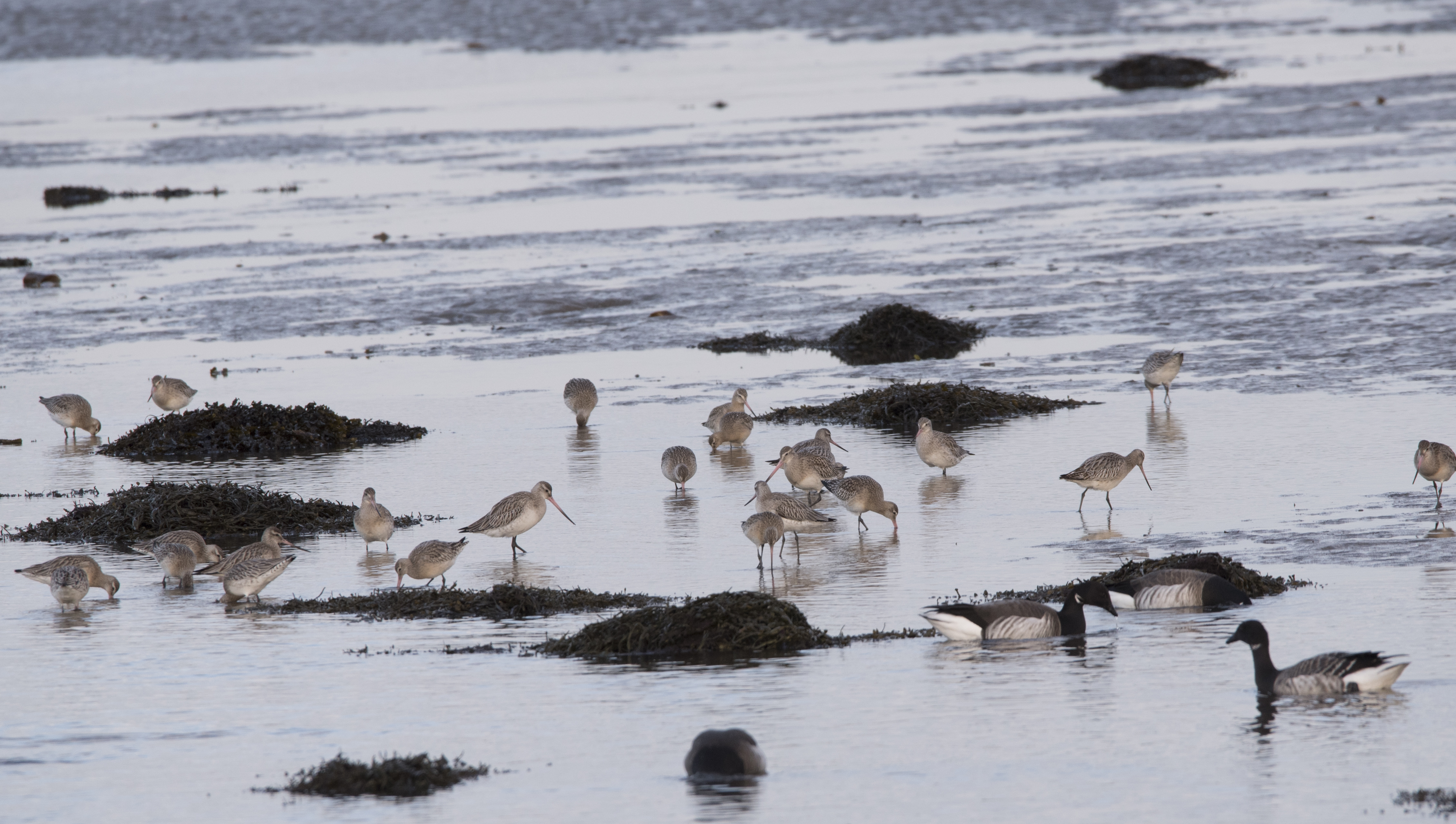
Barred tailed Godwits

Dundrum-1-28.JPG

Dundrum-1-31.JPG

Dundrum-1-36.JPG

Dundrum-1-42.JPGDundrum-1-38.JPG


Dundrum-1-48.JPG

Dundrum-1-58.JPG

Little Egret


Dundrum-1-63.JPG

Dundrum-1-65.JPG

Dundrum-1-67.JPG

Dundrum-1-72.JPG

Brent Geese

These were all taken at Strangford lough.  Here

Thank you for visiting and hope you enjoyed my images, please comment on this post.

George

Mud Walker and Thank you..

Hello my friends, well the rain stopped and the sun make a weak showing. So nipped down to the County down coast which is a half hour drive from home. The tide was out and there where plenty on bird life around. but it was to far out on the mudflats for photography. Would have waited for the incoming tide to push them back to the shore but the light drops here around 3.30pm (2.45pm when I got there) and will be dark an hour later.

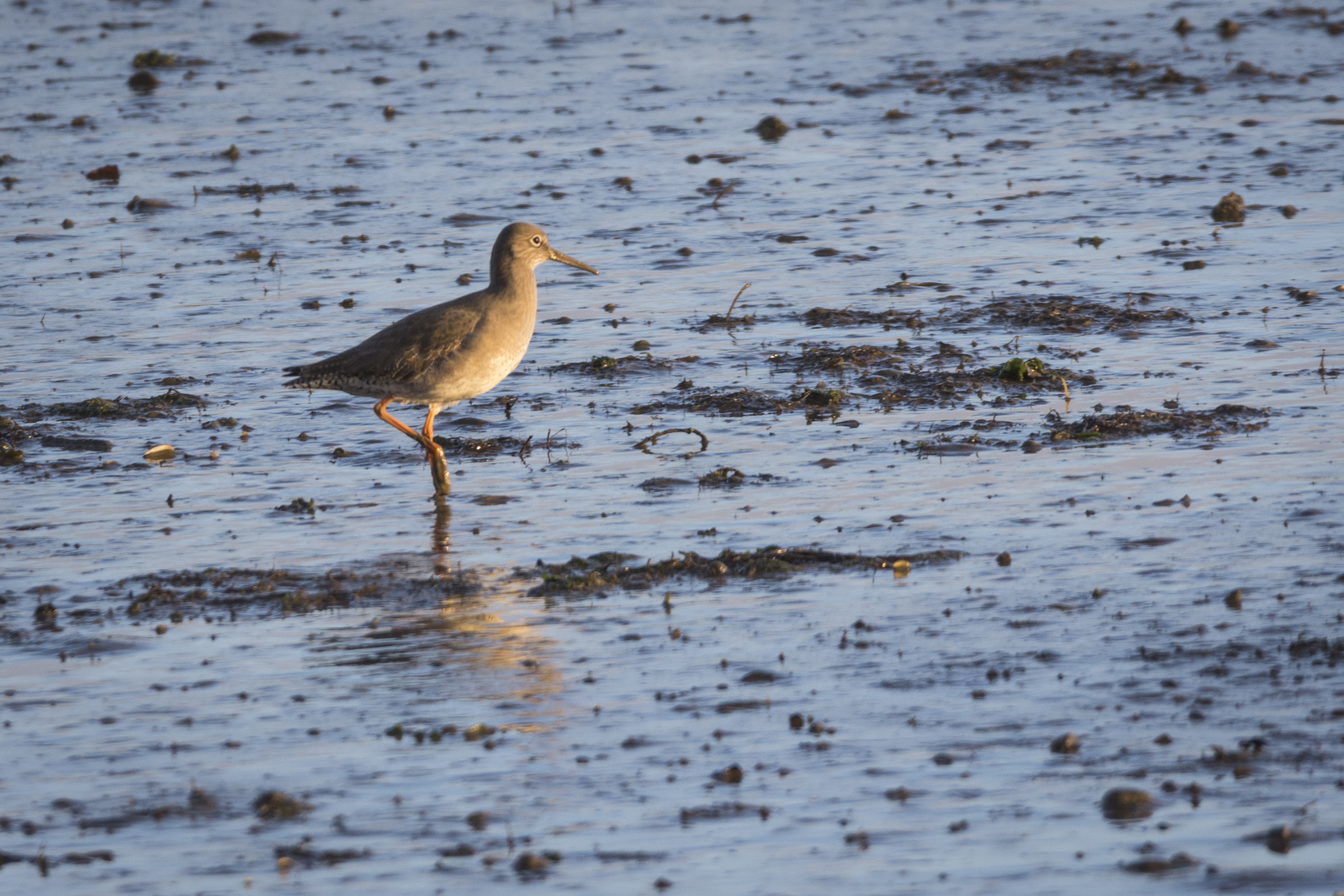
There were just a few Redshank’s close to the shore, feeding on whatever lives under this liquid mud. So without boring you I’ll post a few photos of these small waders.

Dundrum-1-2.JPG

Dundrum-1-8.JPG

Dundrum-1-17.JPG

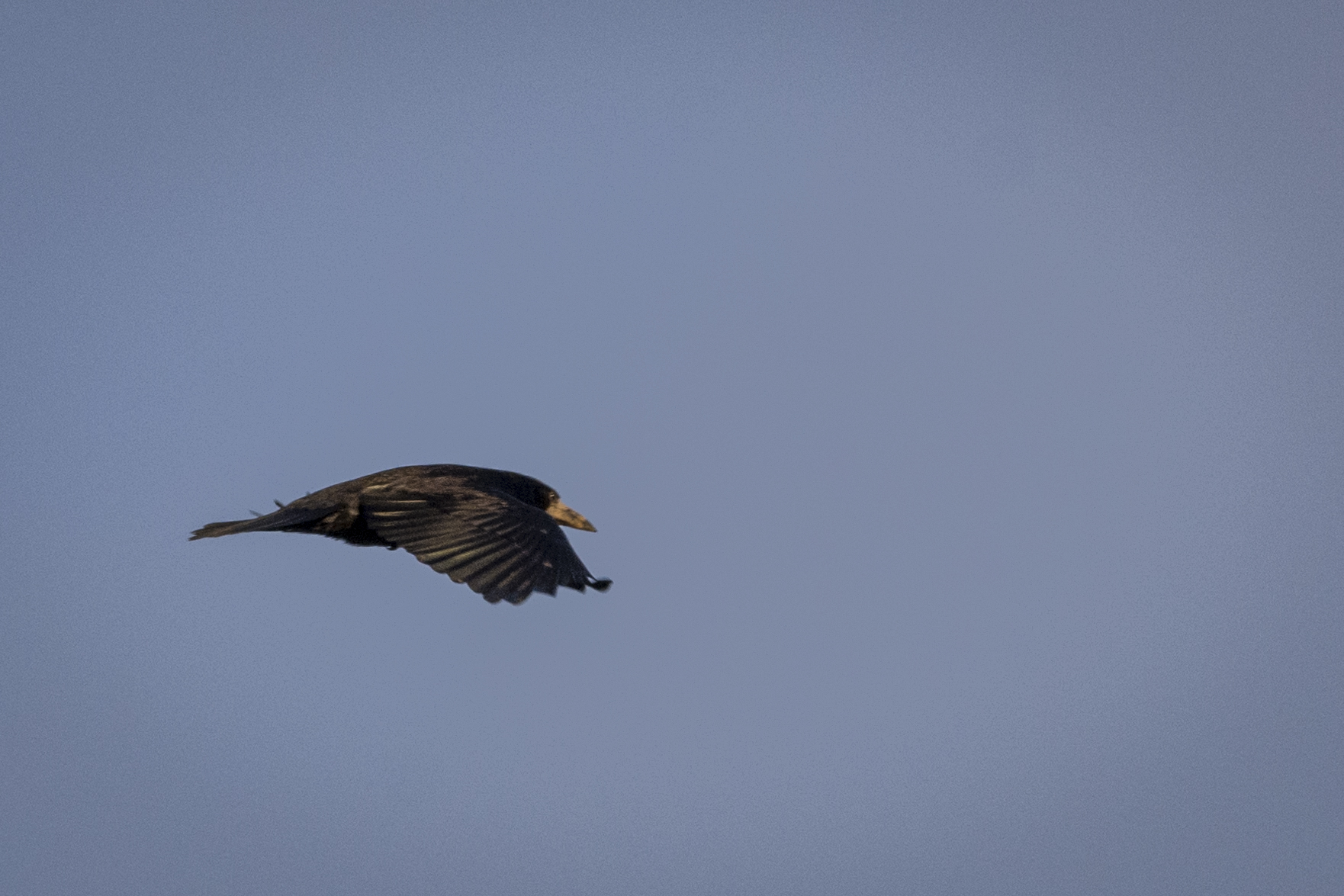
Grabbed a few shots of Rooks flying from the tree behind me.

Dundrum-1-10.JPG

Dundrum-1-13.JPG

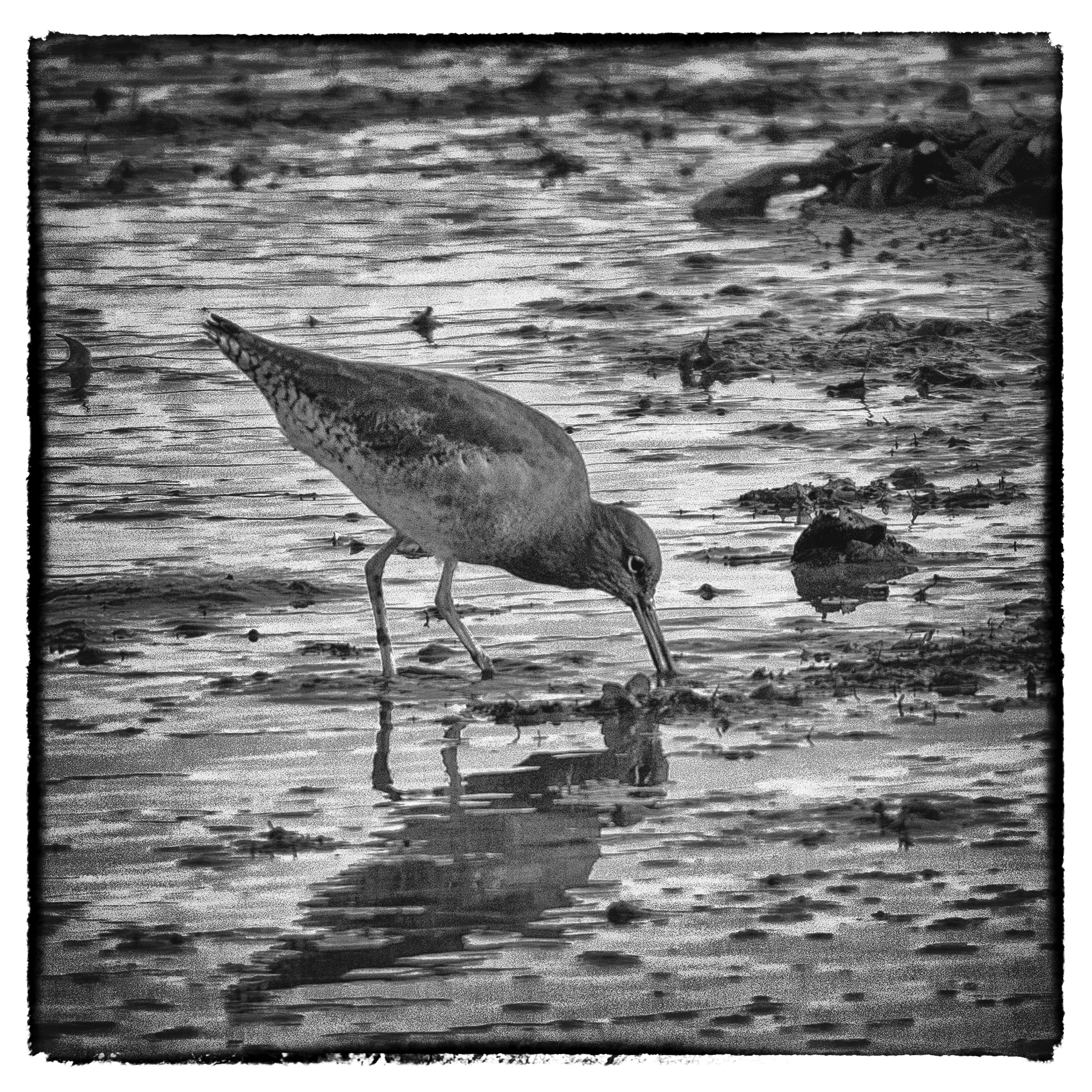
The next shots were me just playing around with a redshank photo in B&W.

Dundrum-1-19.JPG

Dundrum-1-20.JPG

I hope you enjoyed this quick trip to the coast with me.

Before I go I want to wish you all Season’s Greeting, and THANK YOU all for your support over the year.

May all your wishes be granted in 2020.

Happy new year.

George..


Black and White Wednesday

Has with last weeks photo this weeks follows a similar train of thought. With little detail and blur in the image. A couple of years back I read a book that looked at how a photograph does not always have to be in focus. While unpacking some boxes from storage I came across this book and decided to explore this idea. While not being an award winning image, it is fun to step outside the box or should that be my box.

The Magpie.

1547585112607_maggie-4525a

Thank you for visiting.

George.


Portmore Lough

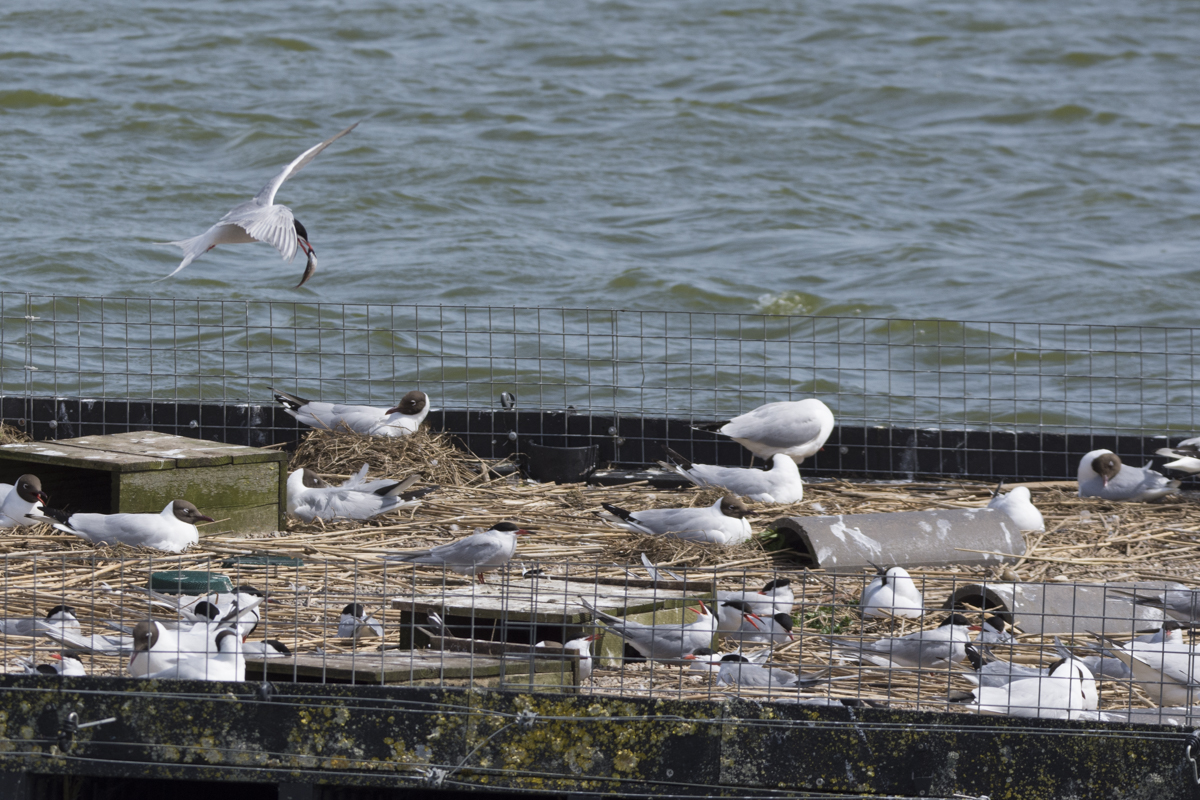
Portmore lough is in County Antrim here in the north of Ireland. It is one of the RSPB nature reserve’s I like to visit Portmore a few times a year. Spring time brings in the Common Tern to the nesting rafts on the lough and so on a hot sunny spring day ( note these are not words we use a lot in Ireland ) I arrive at the reserve. With only a few cars parked up it meant the hide by the lough would be quiet. The walk to the hide showed butterflies and damselflies were out, but a breeze blowing made closeups difficult.

nature-2642.jpg

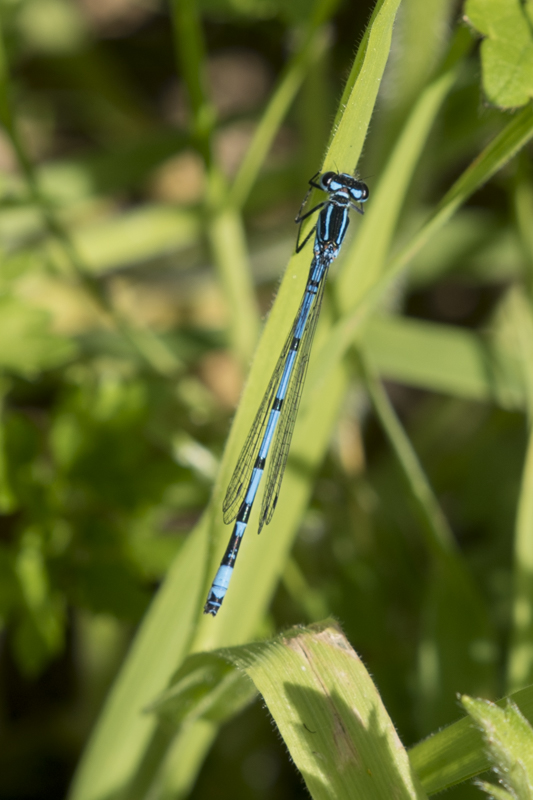
Blue Damselfly. Getting  a shot of this was hard work, even this one could have been sharper.

nature-2640.jpg

Yep it’s a red Damselfly.  These seemed to land on the ground which helped with the wind, but hard on the knees.

nature-2574.jpgnature-2629.jpg

Black-veined  white butterfly. This one is a little battered, it was the only shot I got plus a workout. Then it was into the bird hide or bird blind depending when you are from. Two women were there and after a short update on what was seen I set up the camera. There are three nesting rafts and has well as Common Tern’s there was Blacked Gulls nesting.

nature-3874.jpg

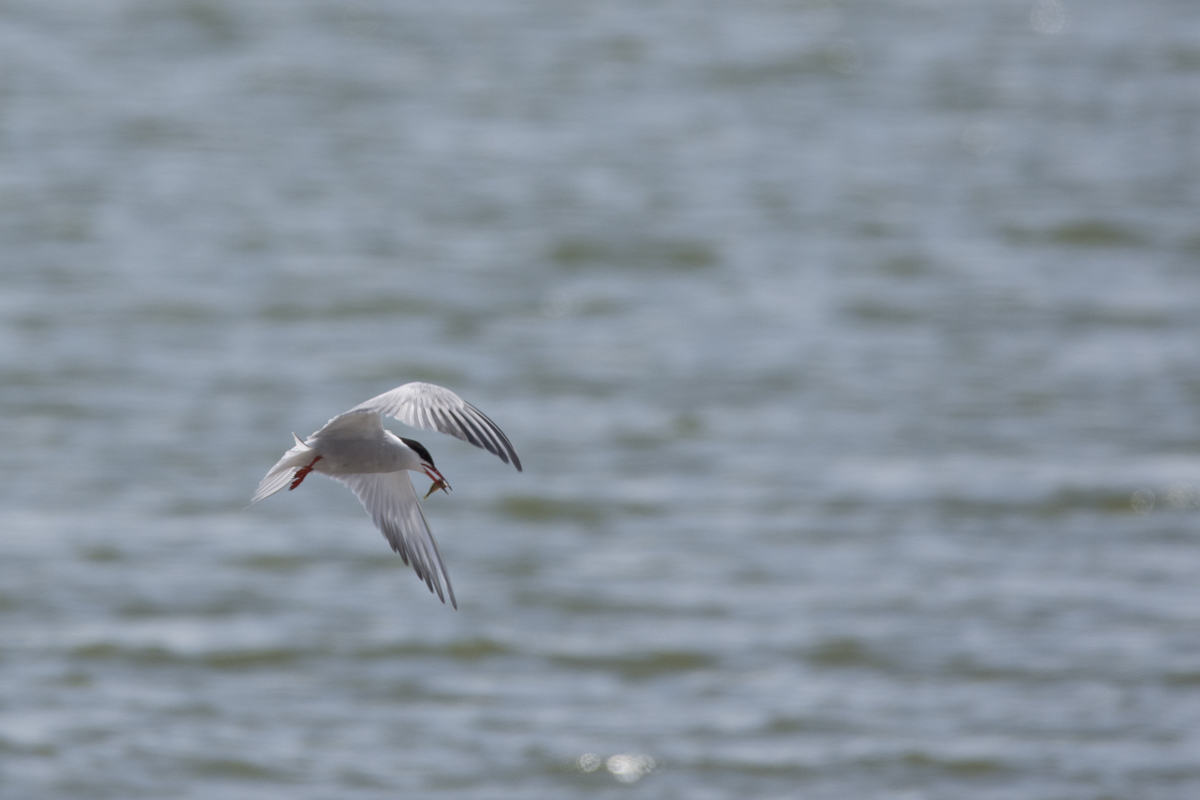
A Common Tern bring in lunch. I sat and watched the coming and goings around the rafts for an hour. I find by spending time studying these birds, patterns arise. This helps to get photographs, so lets meet the Common Tern and Black Headed gull.

nature-3865.jpg

nature-3932.jpg

nature-3740.jpg

nature-3818.jpg

nature-3817.jpg

nature-3821.jpg

nature-3846.jpg

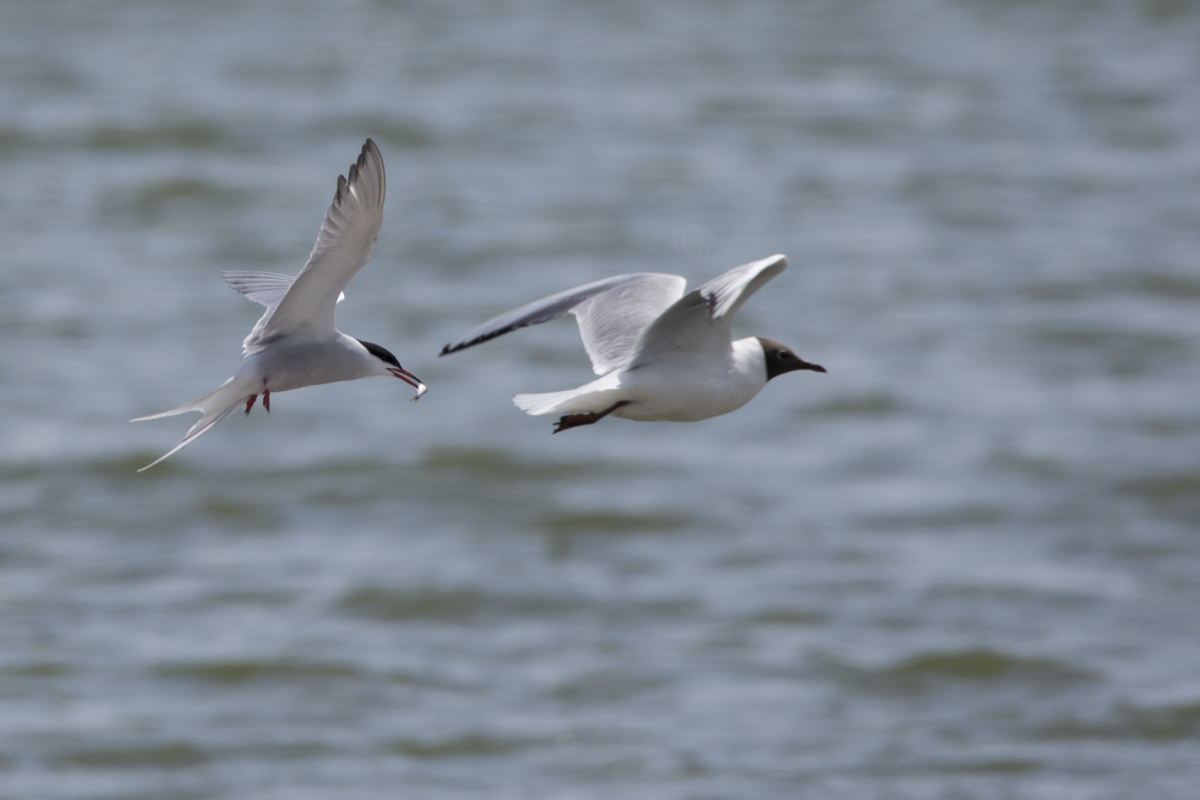
This photograph shows the Common Tern ( left) and the Black Headed Gull.

nature-3903.jpg

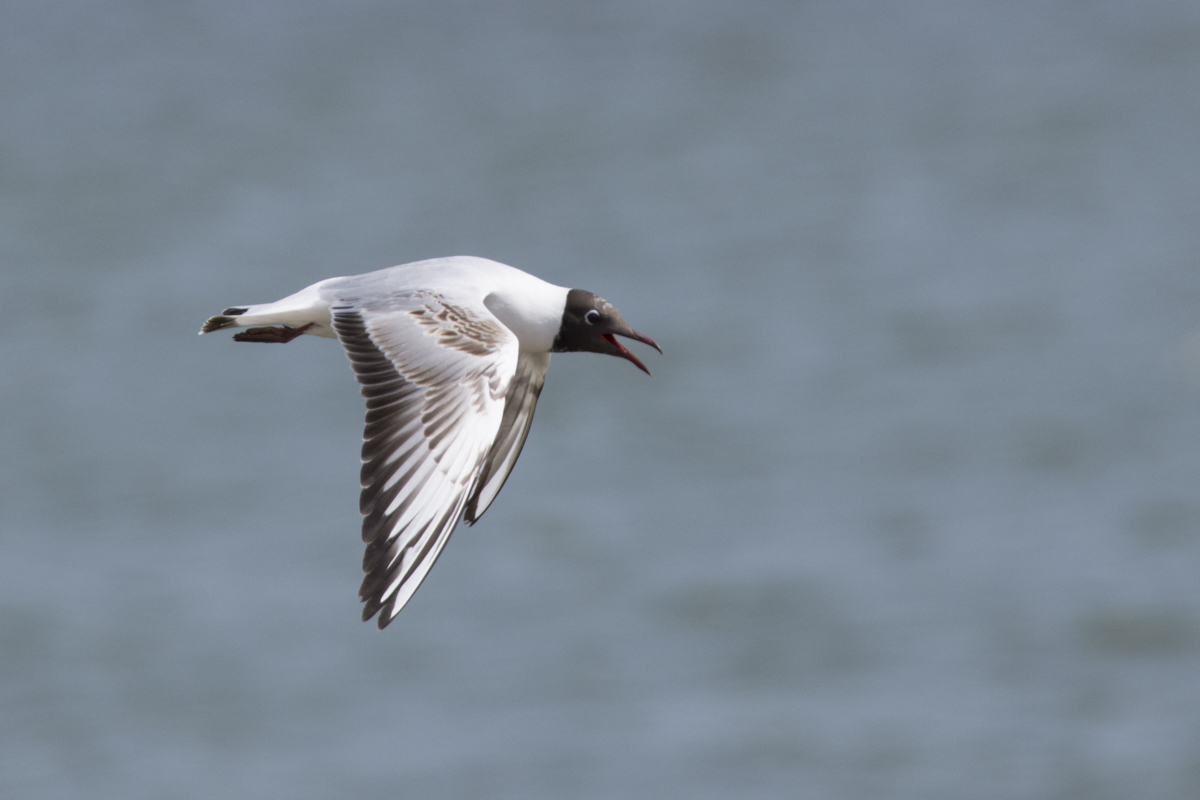
This gull is a young immature Black headed gull. On the way back to the car park I stopped close to the feeders and shot this Sparrow.

nature-2650.jpg

I believe this is a House sparrow. So it was back to the car and pack my gear away and the 40 minute drive home.

Thank you for visiting.

George.