Drumballyroney Church

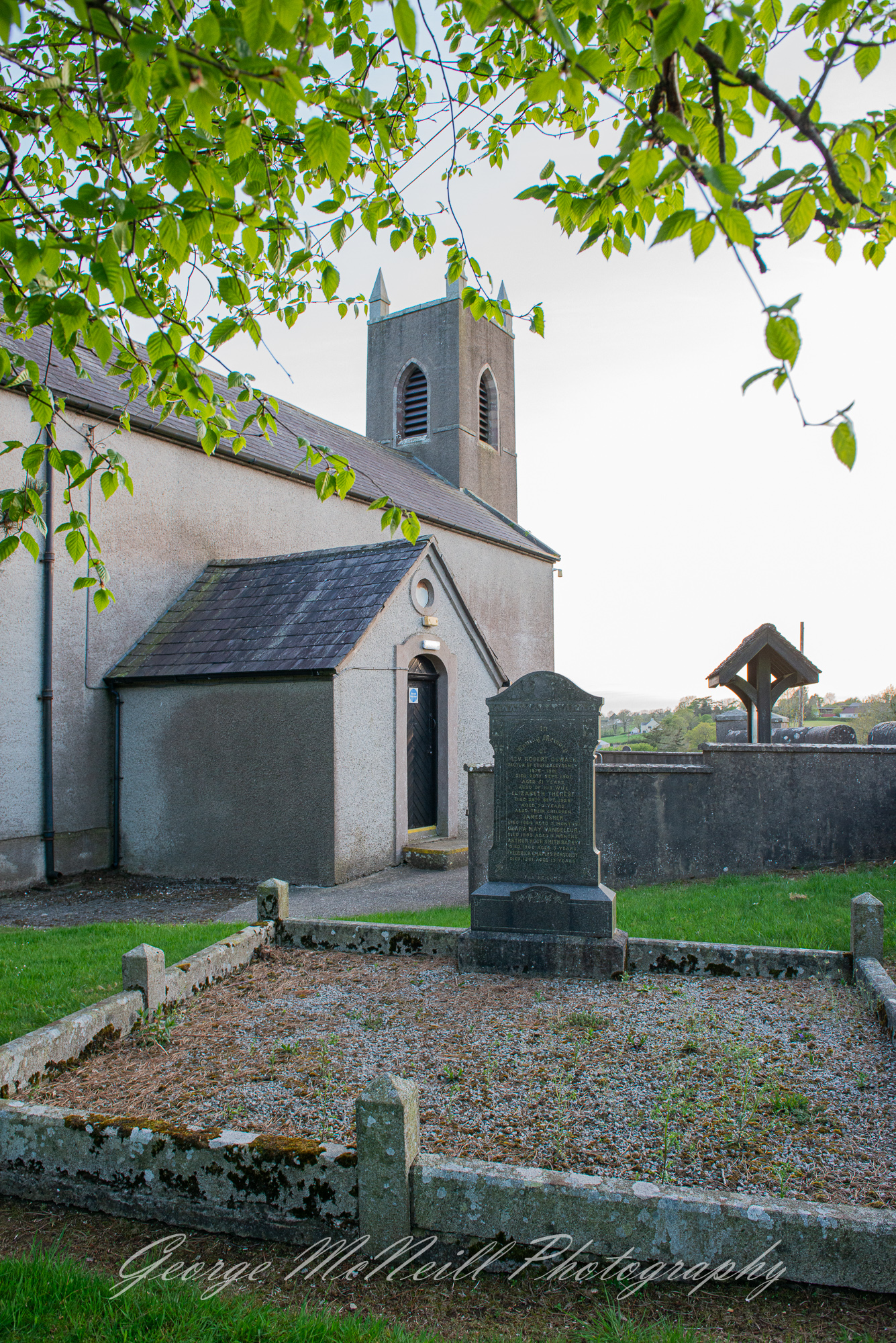
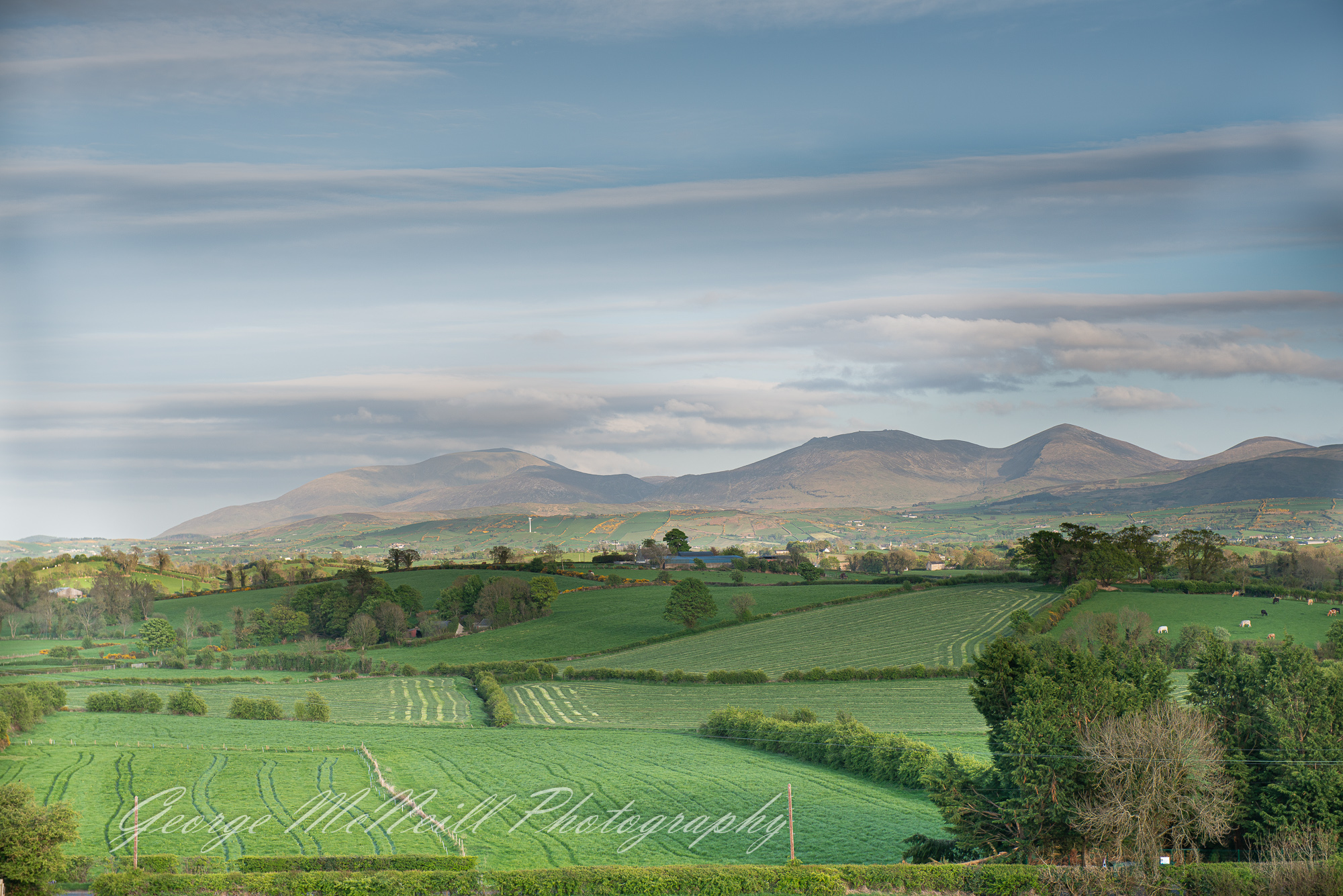
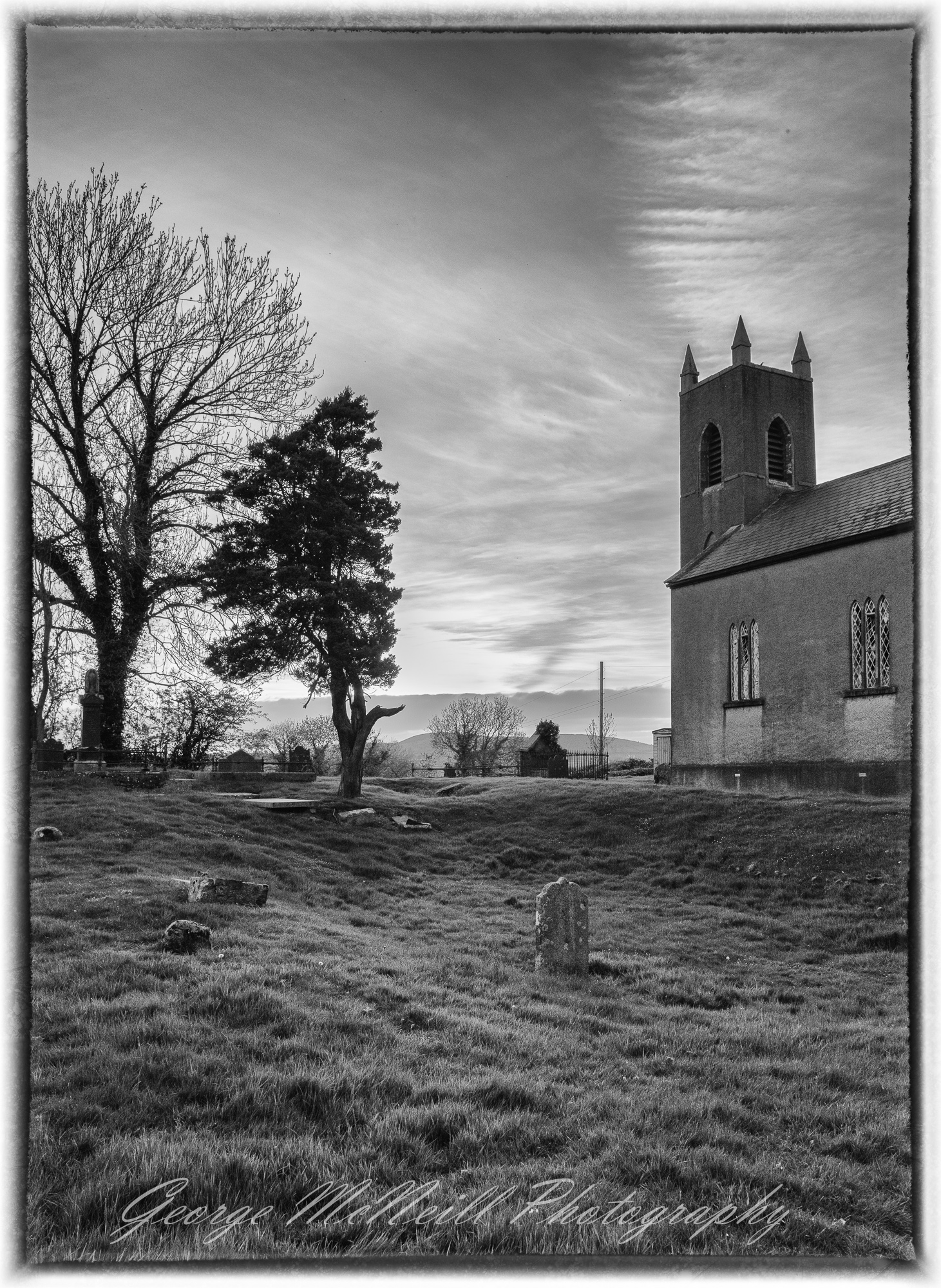
Drumballyroney church sits on top of a hill with views across county Down into the Mourne mountains.

One view from the church carpark.

The church is also known as The Bronte church. Patrick was born in the parish of Drumballyroney and this was the family church. He was born in 1777 and died 1861. He was the father of the writers Charlotte, Emily and Anne Bronte.

He was a teacher until 1802 when he won a scholarship to study theology at St John’s collage, Cambridge. It was here he changed his name from Brunty to Bronte, the Greek word for thunder.

He taught at the school beside the church for a short while before going to Cambridge after which he ordained as a Deacon of the Church of England in 1806 and entered the priesthood in 1807.

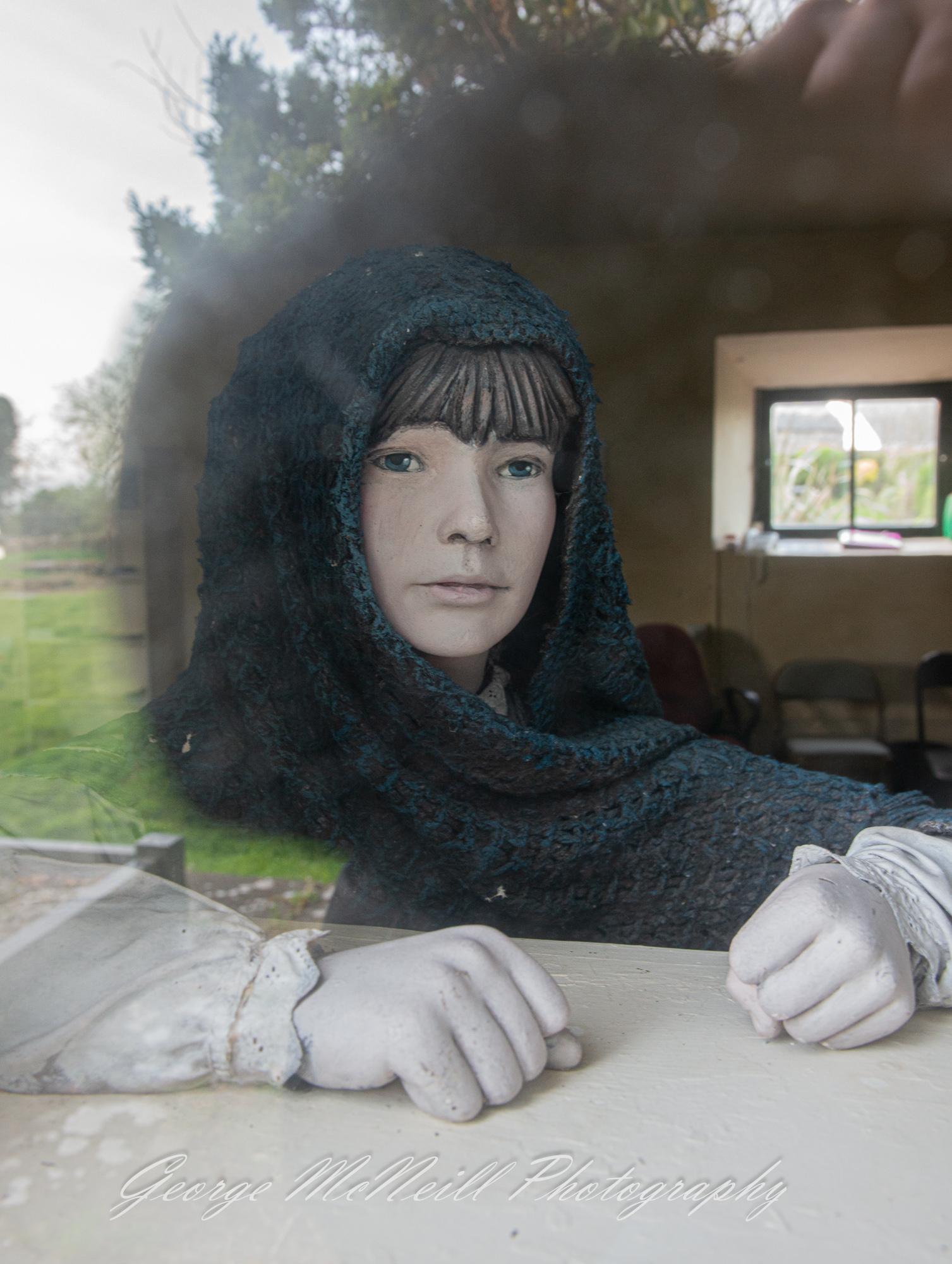
The school and a photo taken through the window. https://sevenov.com/patrick-bronte/?amp=1

Theres more history in the above link on the life of Patrick Bronte.

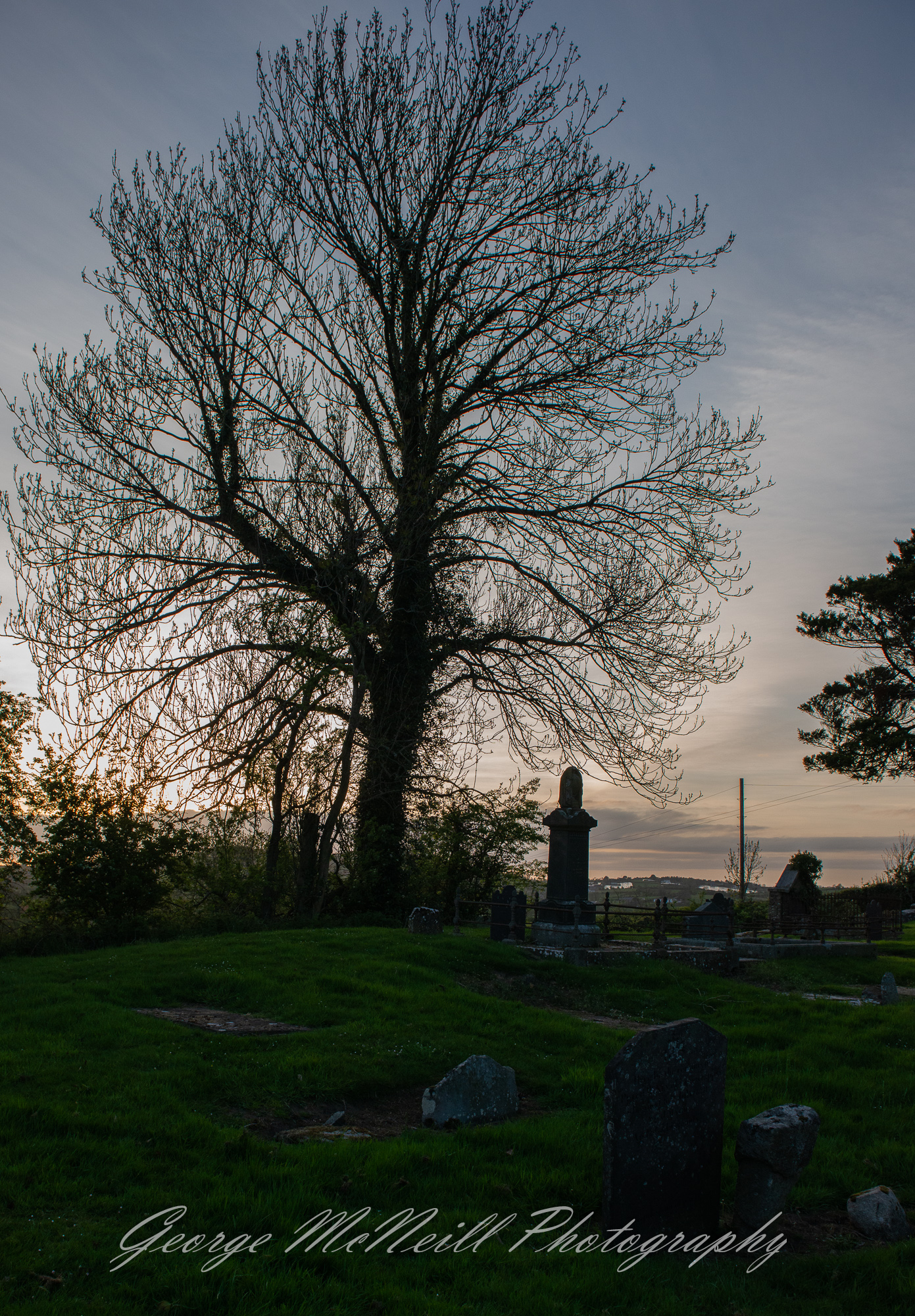
Next are some photos taken for around the graveyard in the evening till the sun started to set.

This church is the first stop on The Bronte Homeland trail.

Thank you for joining me on this visit to the Irish part on the Bronte story.

Leave a comment

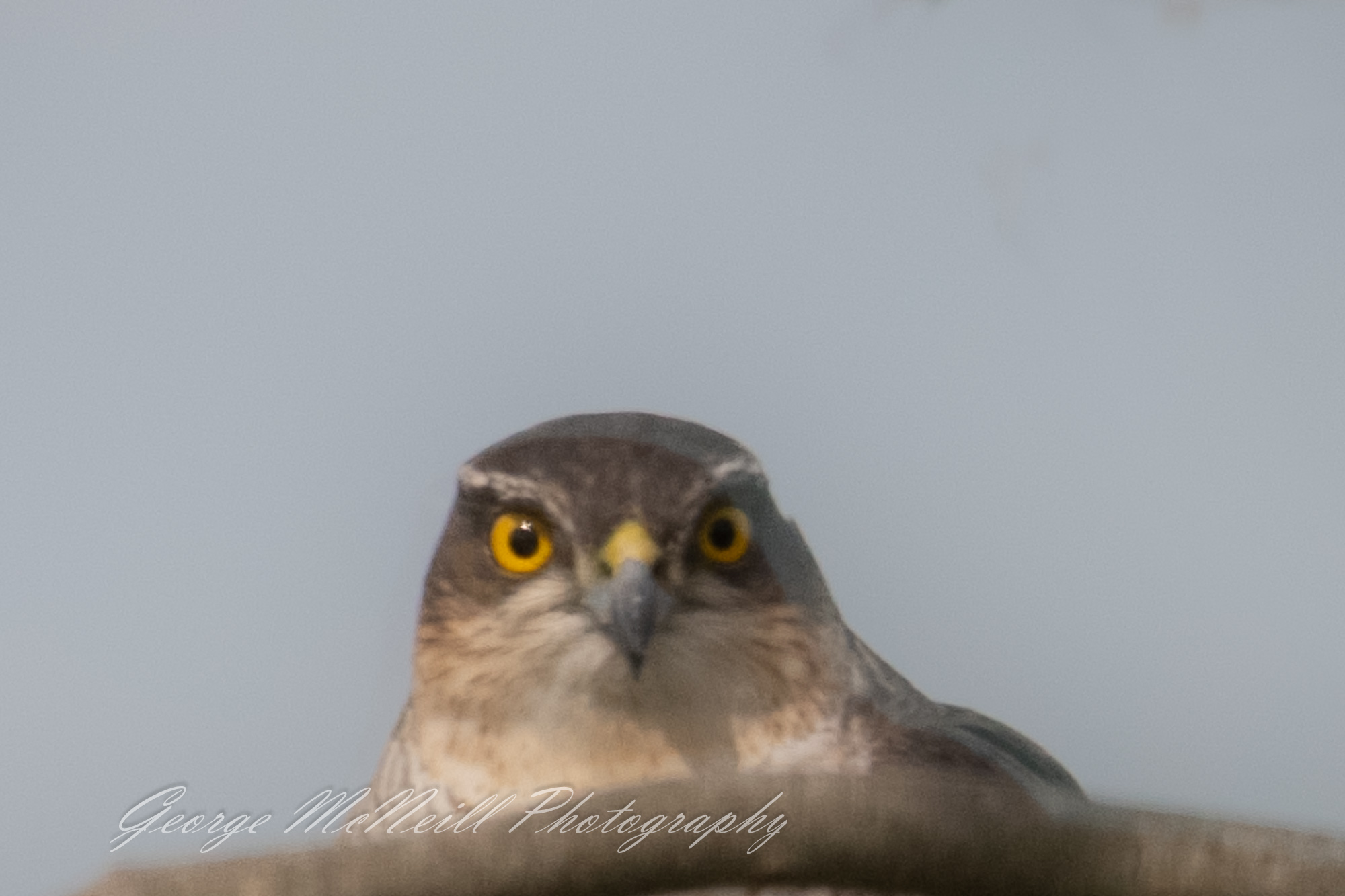
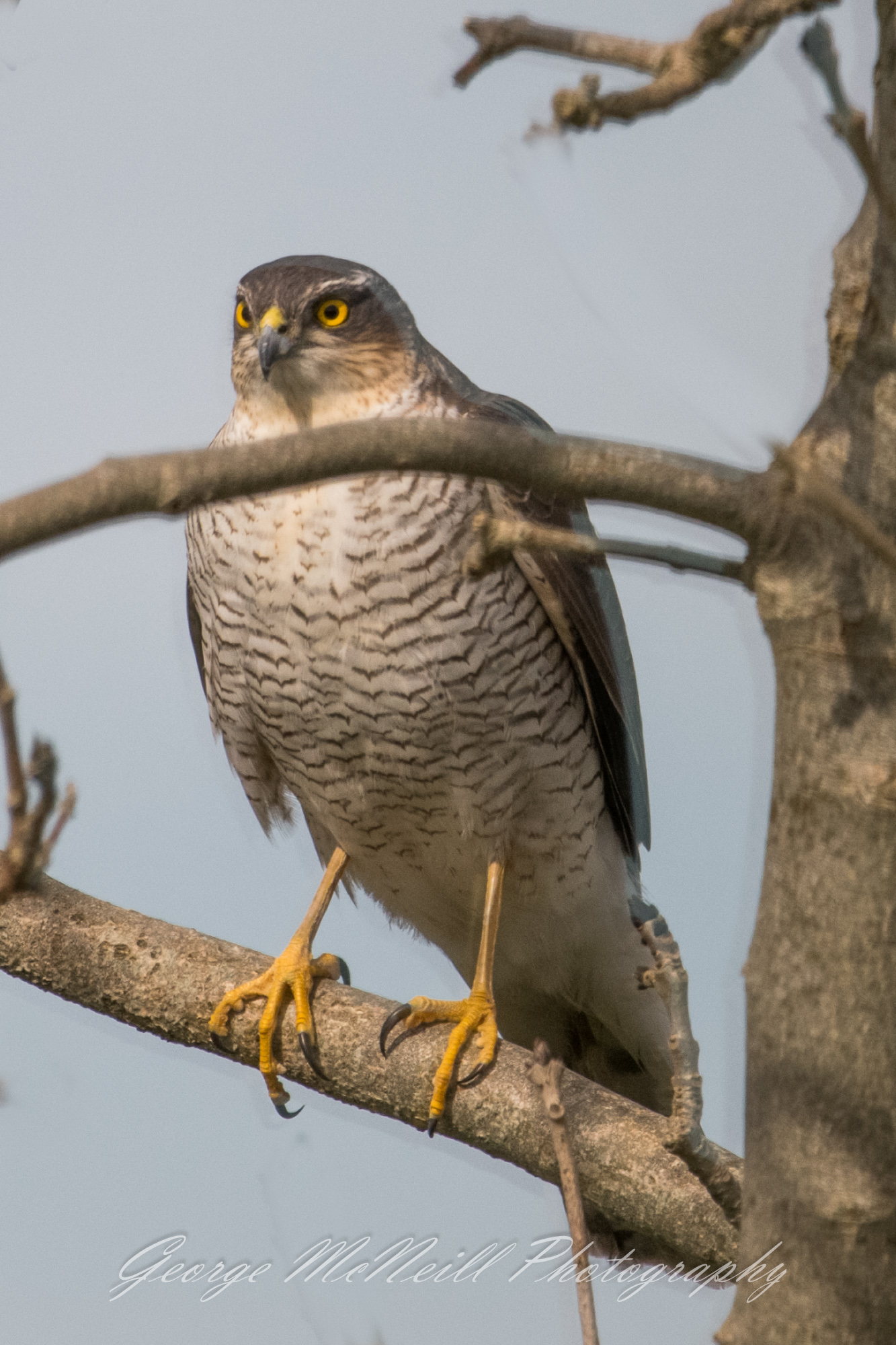
It’s in the eyes.

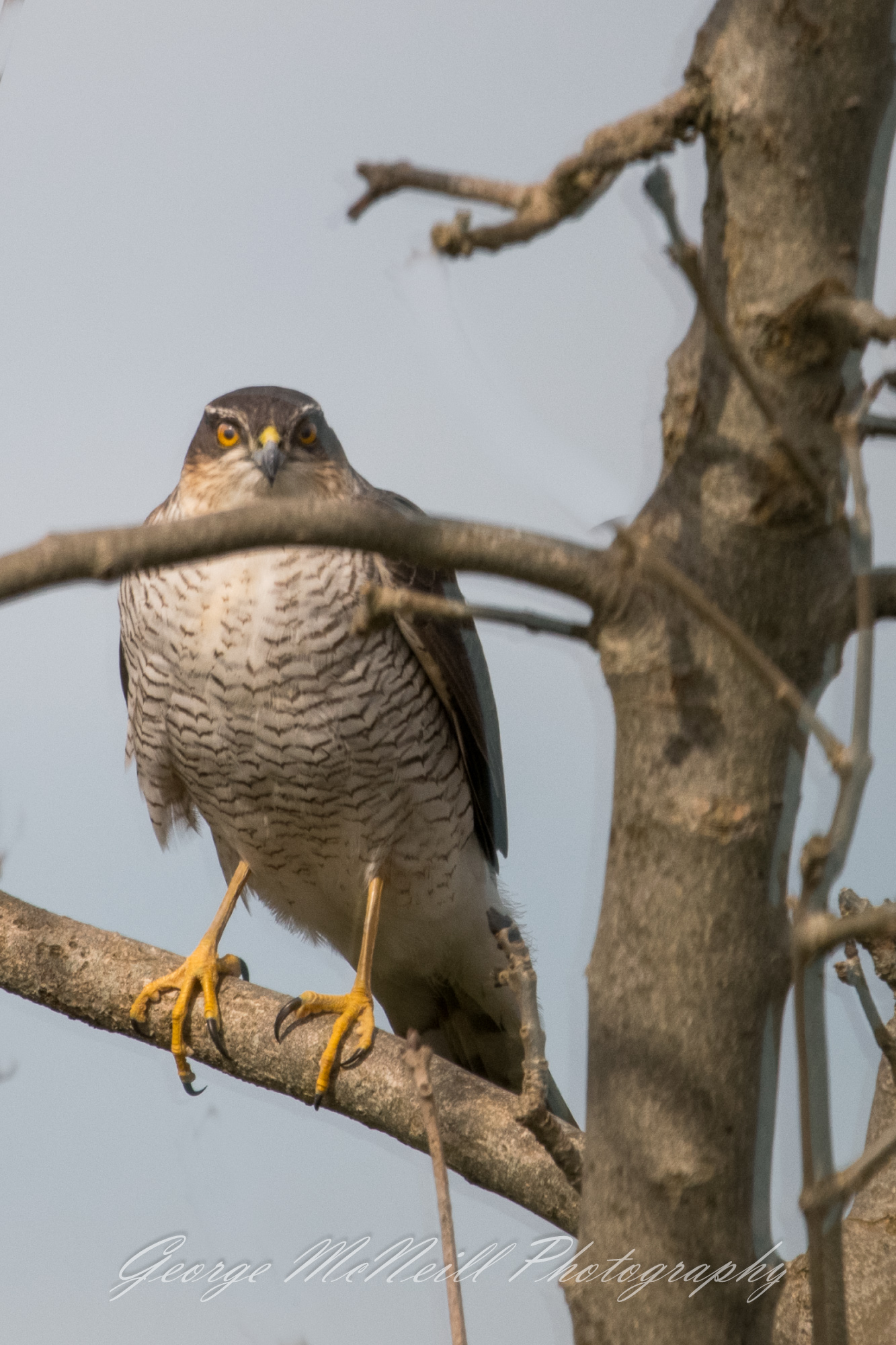
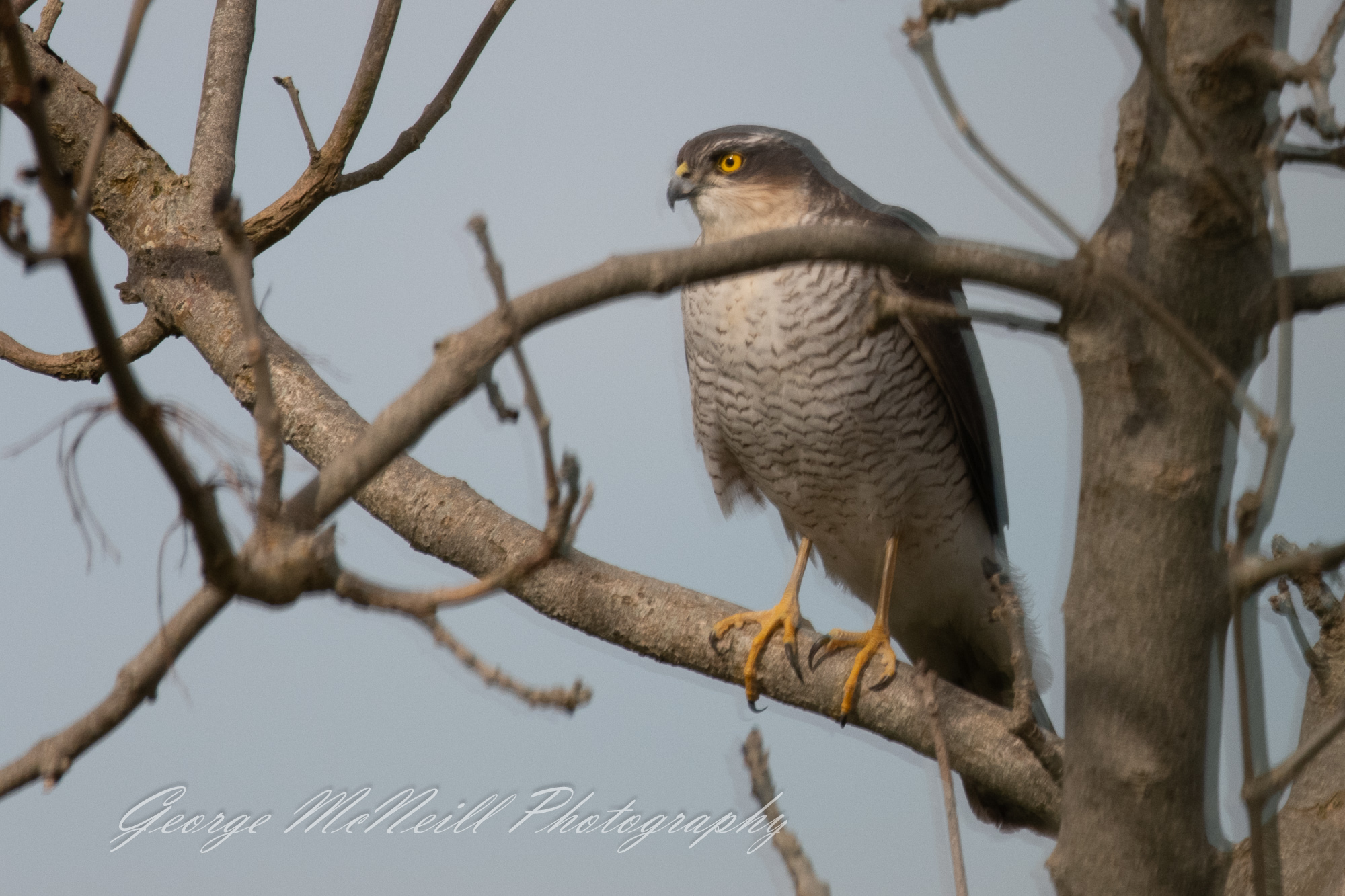
Meet the Sparrowhawk (Accipiter nisus) a bird of prey that is a specialist small bird eater. It uses hedges and buildings for cover to get closer to it’s prey. It is an exceptionally agile hunter commonly seen hunting in woodland, wooded farmland and urban green spaces. Also they turn up around bird feeders in gardens.

I was sitting in the van monitoring a possible bird of prey nest site, when movement caught my eye in a tree on the other side of the road. It was those eyes looking at me as I froze, not want to scare it off I remained still. It settled and started looking around, so it didn’t see me as a threat. I lifted the camera and leaned over so I could photograph it from the open passenger side window. I got around twenty photos before a passing vehicle scared it off.

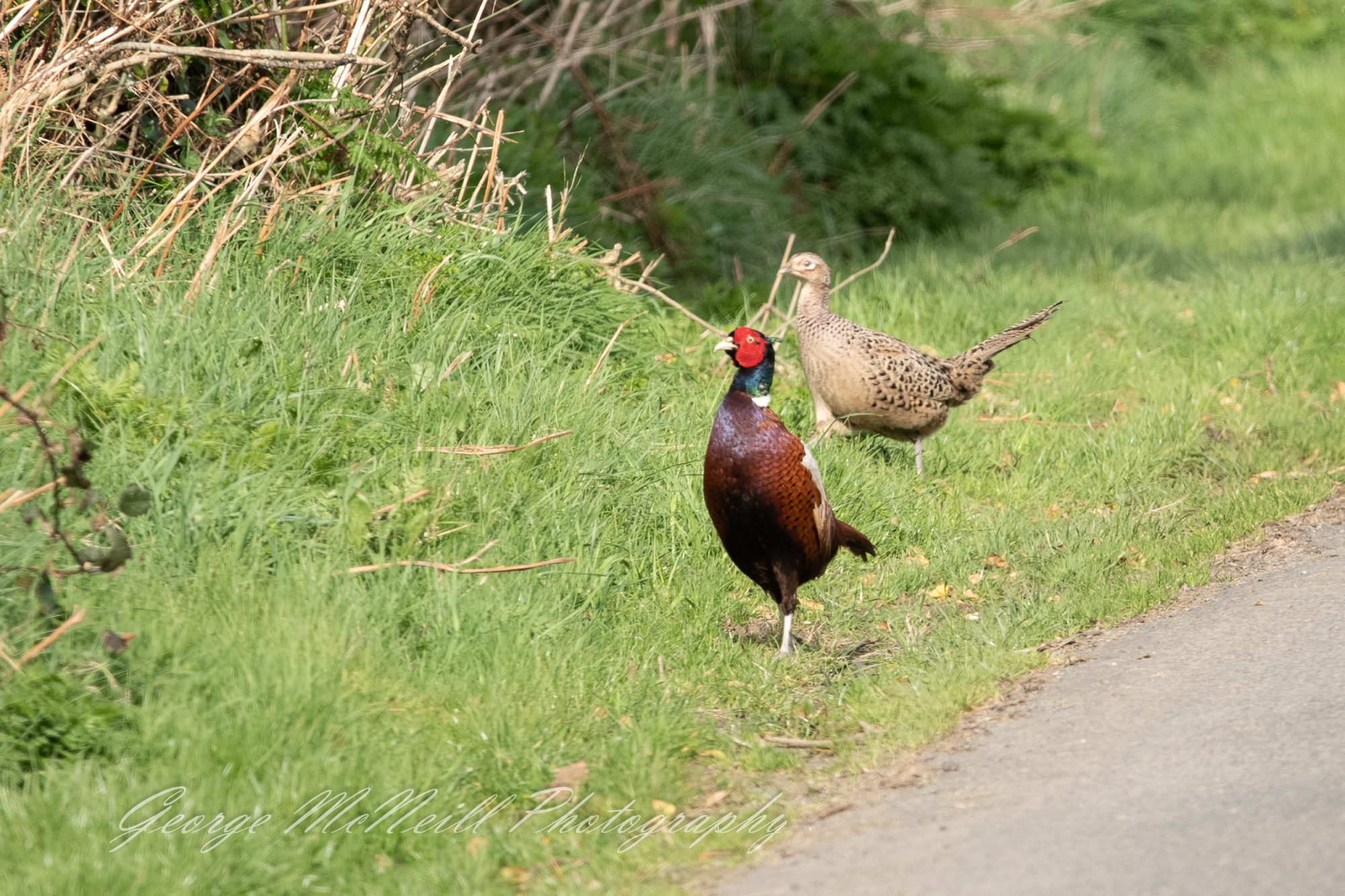
The next photograph is off a pair of Pheasants (Phasianus colchicus), a male and female. They appeared from a gateway down the road from me, so my camera is never far away. This handsome bird is thought to have been brought into the UK around 2000 years ago by the Romans. They are now found across the whole of the UK and Ireland. The male mates with more that one female who is left to raise the chicks alone. A clutch of pheasant eggs typically comprises 8–15 eggs. Usually, one egg a day is laid by the hen bird. Once the final egg of a clutch has been laid, the clutch is then incubated for 23– 25 days before the chicks all hatch within a 12-hour window. They remain with the female till around 8 weeks old. Most are raised in the UK on large country estates for game shooting.

Thank you for visiting and joining me out and about in Northern Ireland.

Leave a comment

Black & White Wednesday

Welcome to another B & W Wednesday, hope all is well in you in your part of the world. The norm of this post is a single photograph. I will be posting a few images if they are related to the day and place they where photographed.

So the location is in the Dromara hills close to my home. The morning was heavy fog but around 11.30 am the sun was burning it off and opening the views to that layered effect.

This was taken has I climbed up through Drumkerragh forest has the fog was thinning.

With the fog clearing quickly has I walked higher up into the forest the sound of crows and ravens filled the valley with there calls. Pairs flying from tree top to tree top it gave me a chance to get a few nice images. This one below is off a couple of Ravens on a dead tree.

Raven ( Corvus corax) is a member of the crow family.

https://www.rspb.org.uk/birds-and-wildlife/wildlife-guides/bird-a-z/raven/

In spring if you ever get the chance to watch Ravens do their courting flight, please watch them. They love to fly and at times you might think they have a death wish has they race towards the earth.

Here’s a link to a short Youtube video: https://www.youtube.com/watch?v=rFKcj9aN7ZI

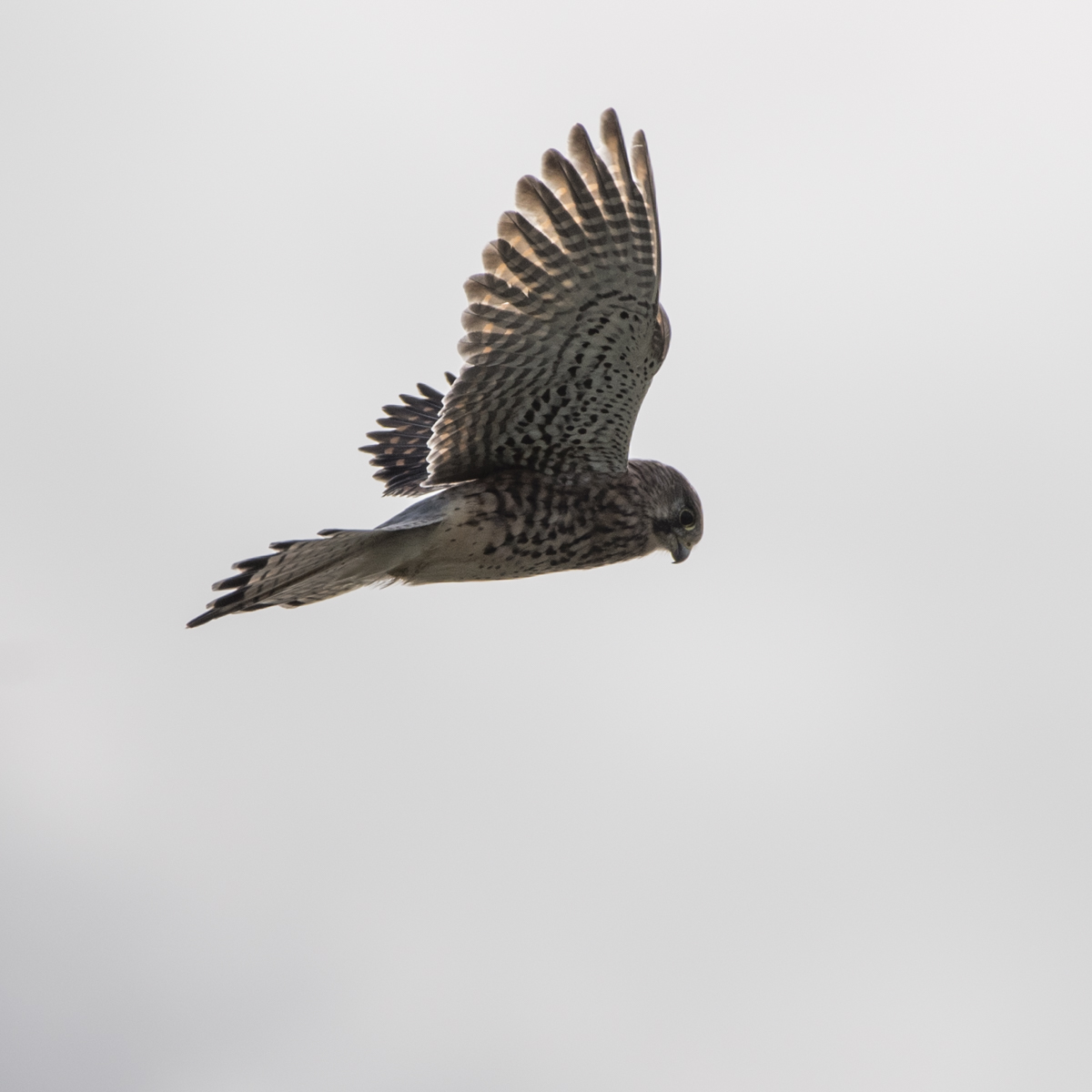
My next encounter was a small bird of prey, a Kestrel. I saw it sitting on a tree top and slowly made my way towards it. I lost sight of it and then has I rounded a group of trees there she sat. I got a few images has she sat looking around her but a bunch of twigs was spoiling them. Then she took off and came my way drifting on the breeze looking for prey. Nearly above me she started to hover and that’s when I got the following image.

Female Kestrel.

Kestrel ( Falco tinnunculus ) belongs to the falcon family of birds.

Kestrel:https://www.woodlandtrust.org.uk/trees-woods-and-wildlife/animals/birds/kestrel/

These are another fun bird to watch has they hover in the sky looking for small prey on the ground, when spotted the drop at great speed onto there prey.

Kestrel hovering, this is a great slow motion film. https://www.youtube.com/watch?v=c0D-J0cgJME

Kestrel hovering and the dive in real time: https://www.youtube.com/watch?v=LaRSihpIU34

Hope you enjoyed a little part of my morning walk and a few of the wildlife we have here in Northern Ireland.

Take care and stay safe.

George.

Lockdown wildlife.

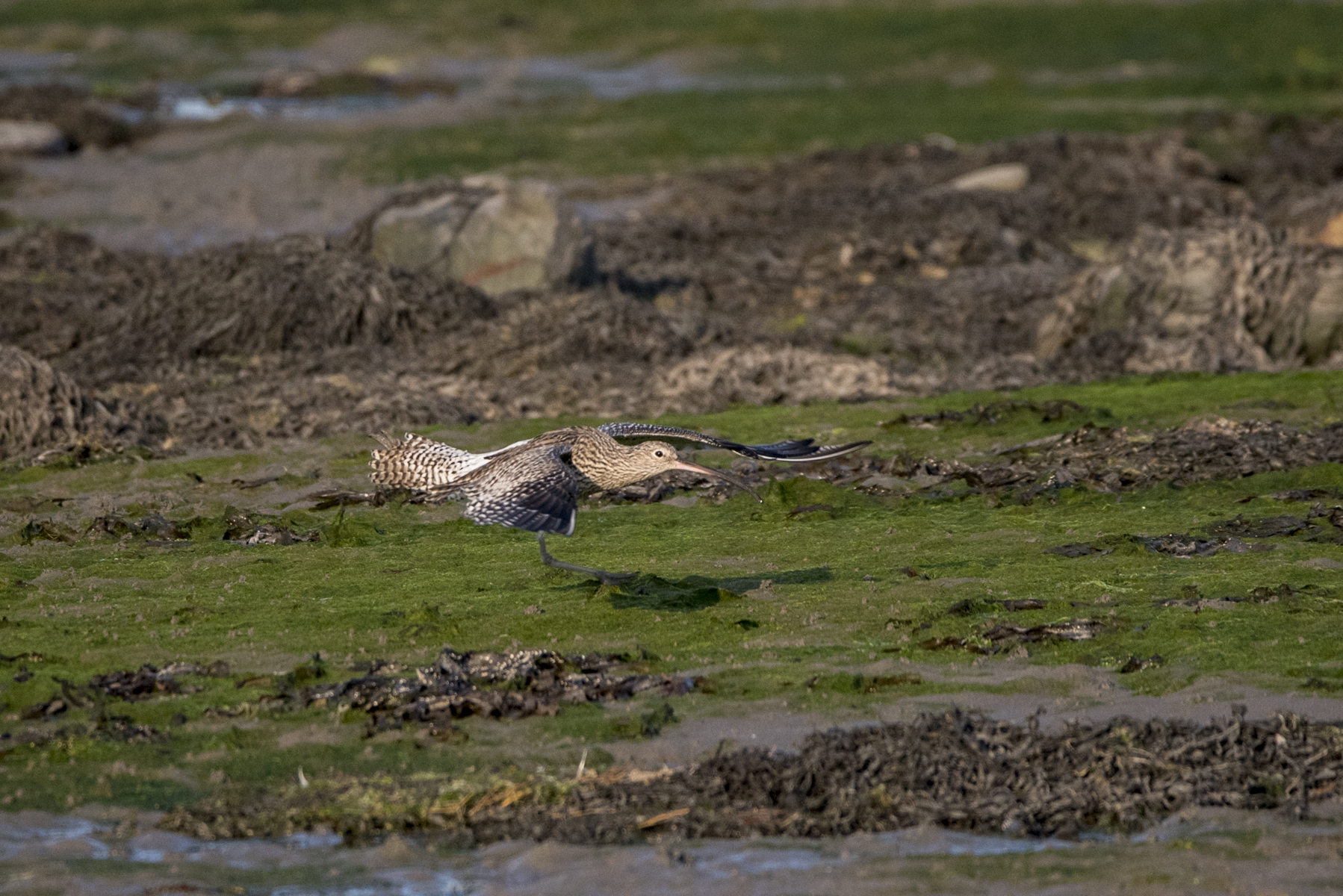
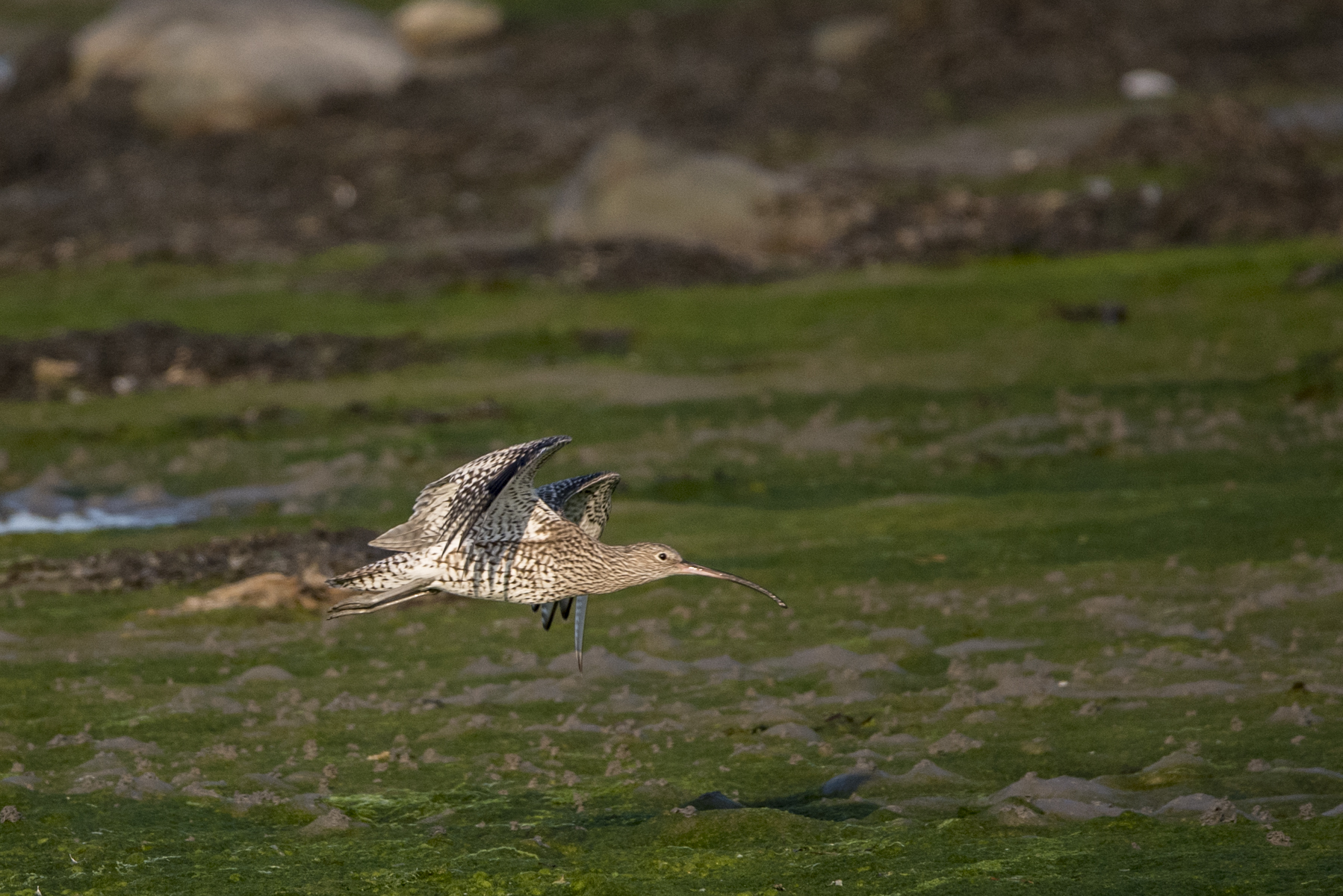
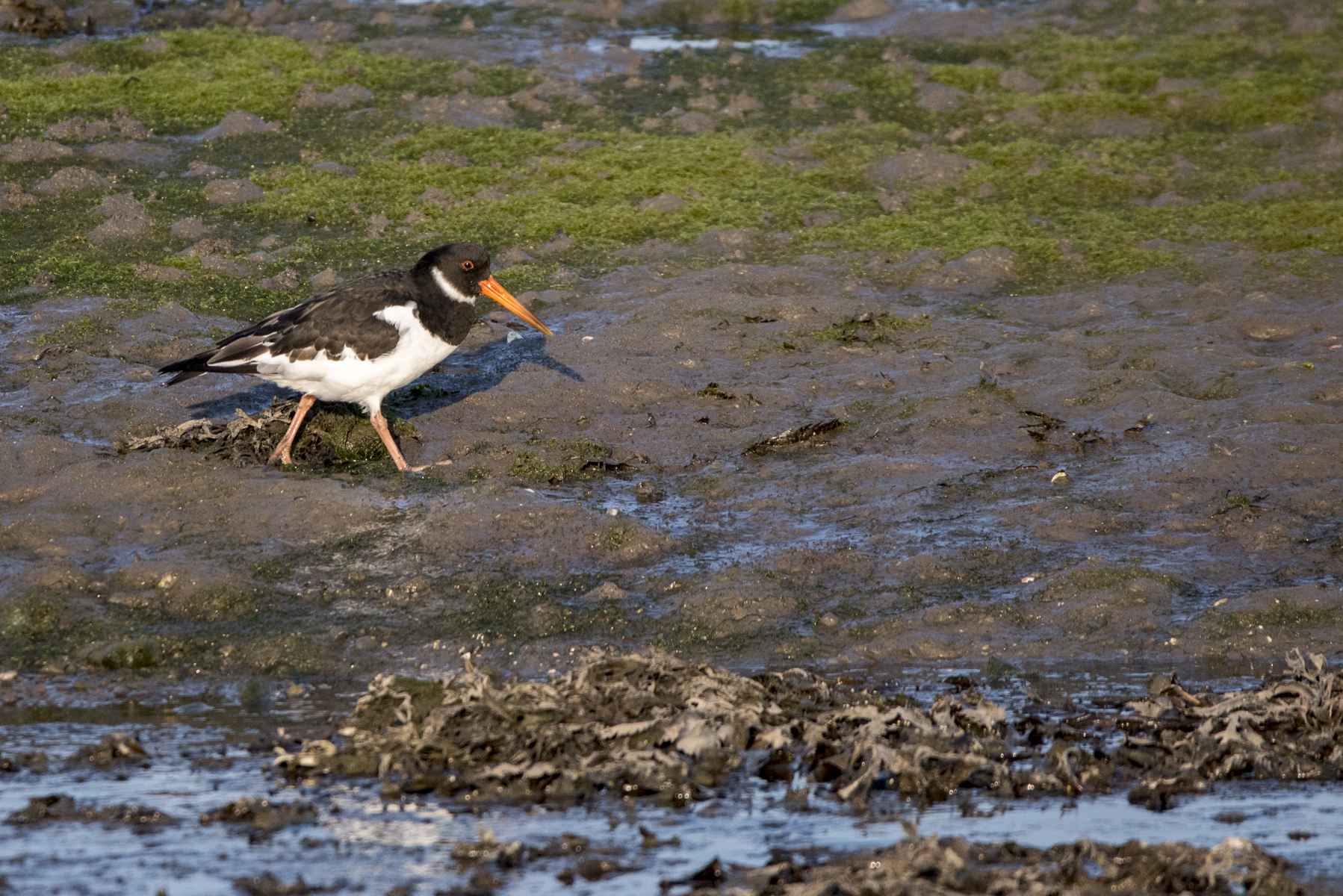
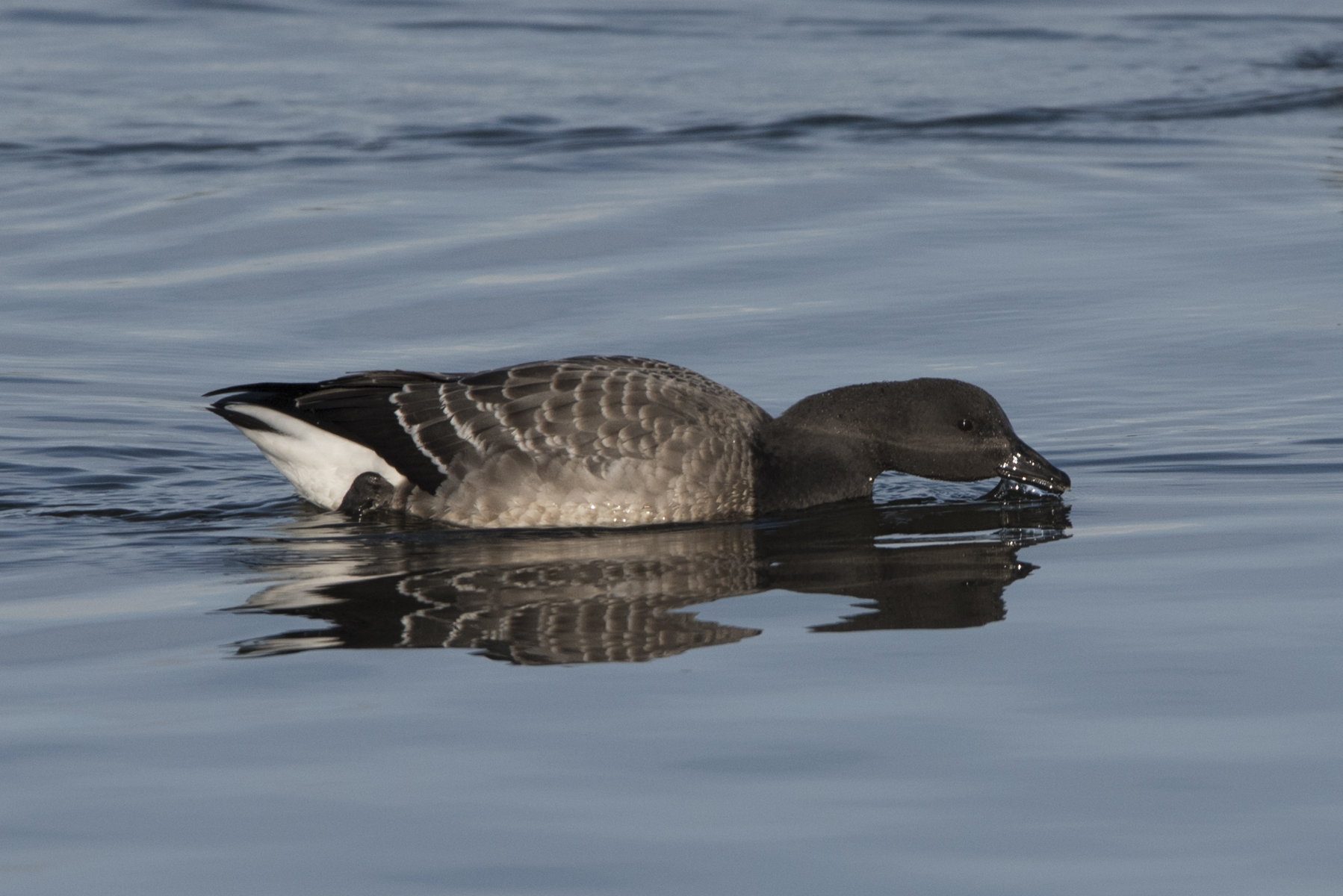
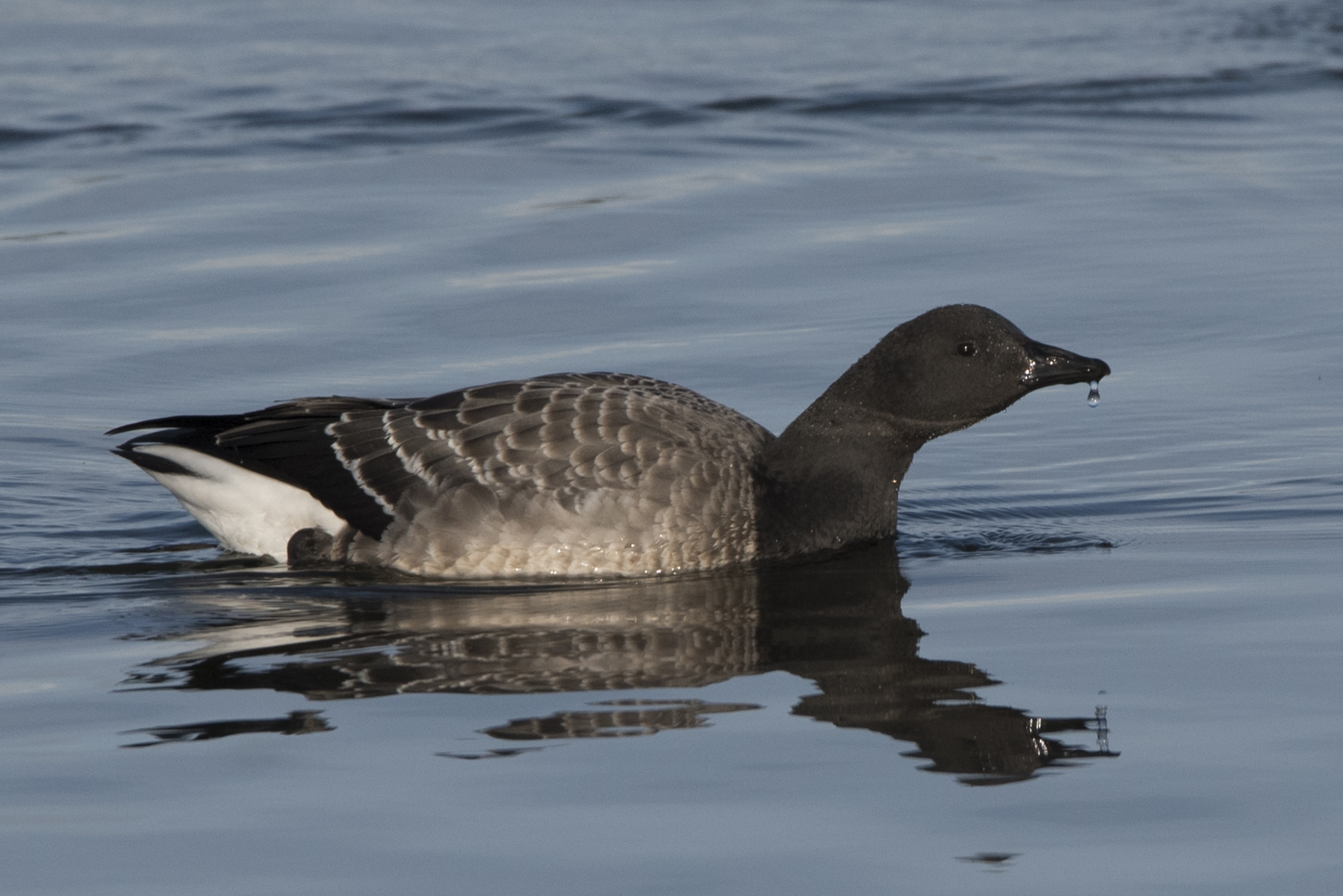
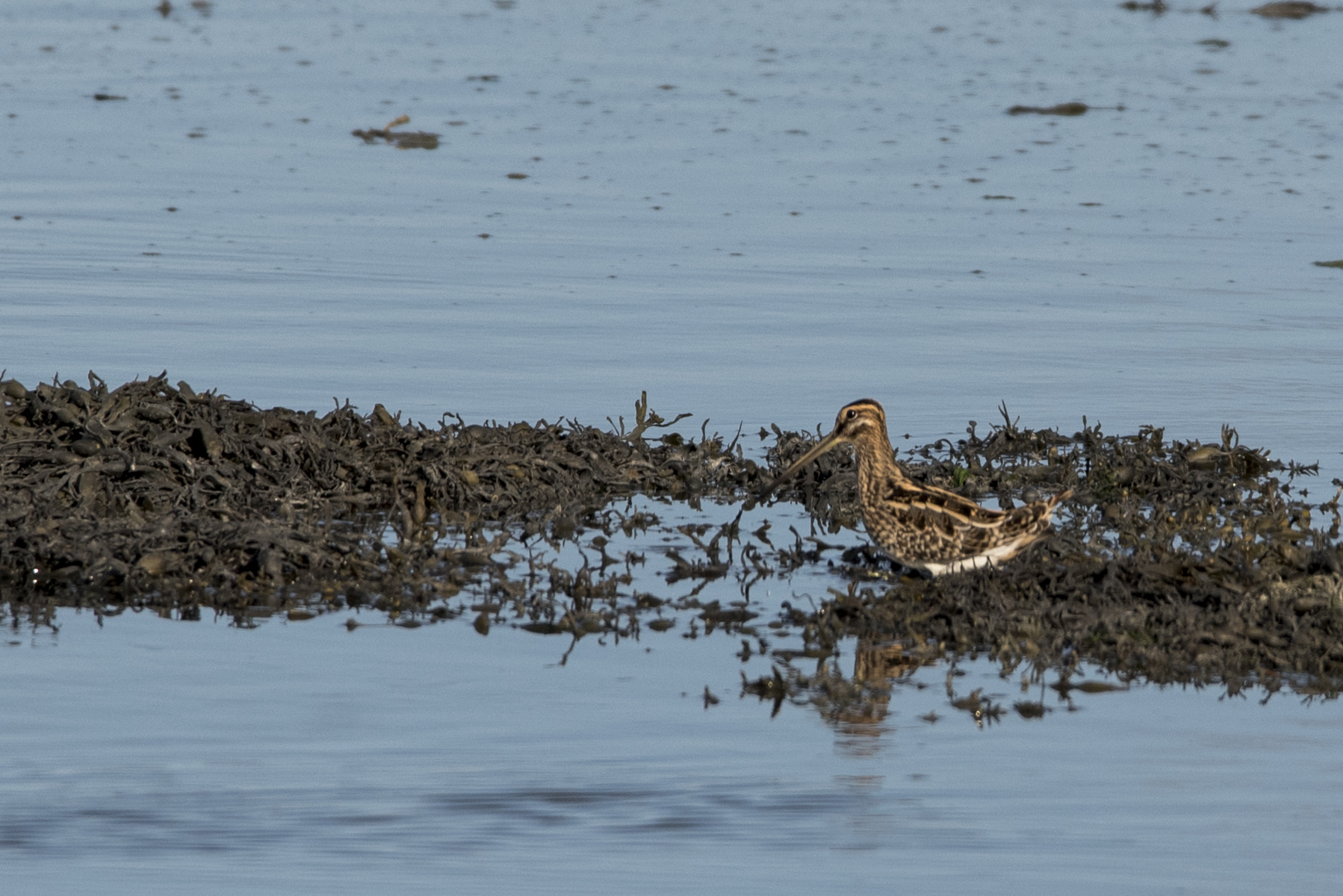
First I hope you are all keeping well and safe where ever you are in the world. Here in the north of Ireland we are back in a four week lockdown but we can still go out to exercise. So when the weather allows I pack the camera and head for the coast. I’m lucky that I have some great mud flats where the sea birds and wading birds feed within a 30 – 40 minutes drive. So the following photographs have been taken over the last few weeks along the County Down coast. Most of them have been shot with a Nikon D750 camera fitted with the Sigma 150 – 600 mm telephoto lens, some handheld and others using a tripod fitted with a gimble head. The following link is a great site for bird information here in Ireland and the UK. https://www.rspb.org.uk/birds-and-wildlife/wildlife-guides/bird-a-z/curlew/

The above is the Curlew ( Numenius arquata) taking off , great fun to watch has they sprint up to take off speed.

Here we see the Oystercatcher (Haematopus ostralegus) it’s a very distinctive bird with it’s bold black and white plumage, orange beak and legs but most of all that blood red eye.

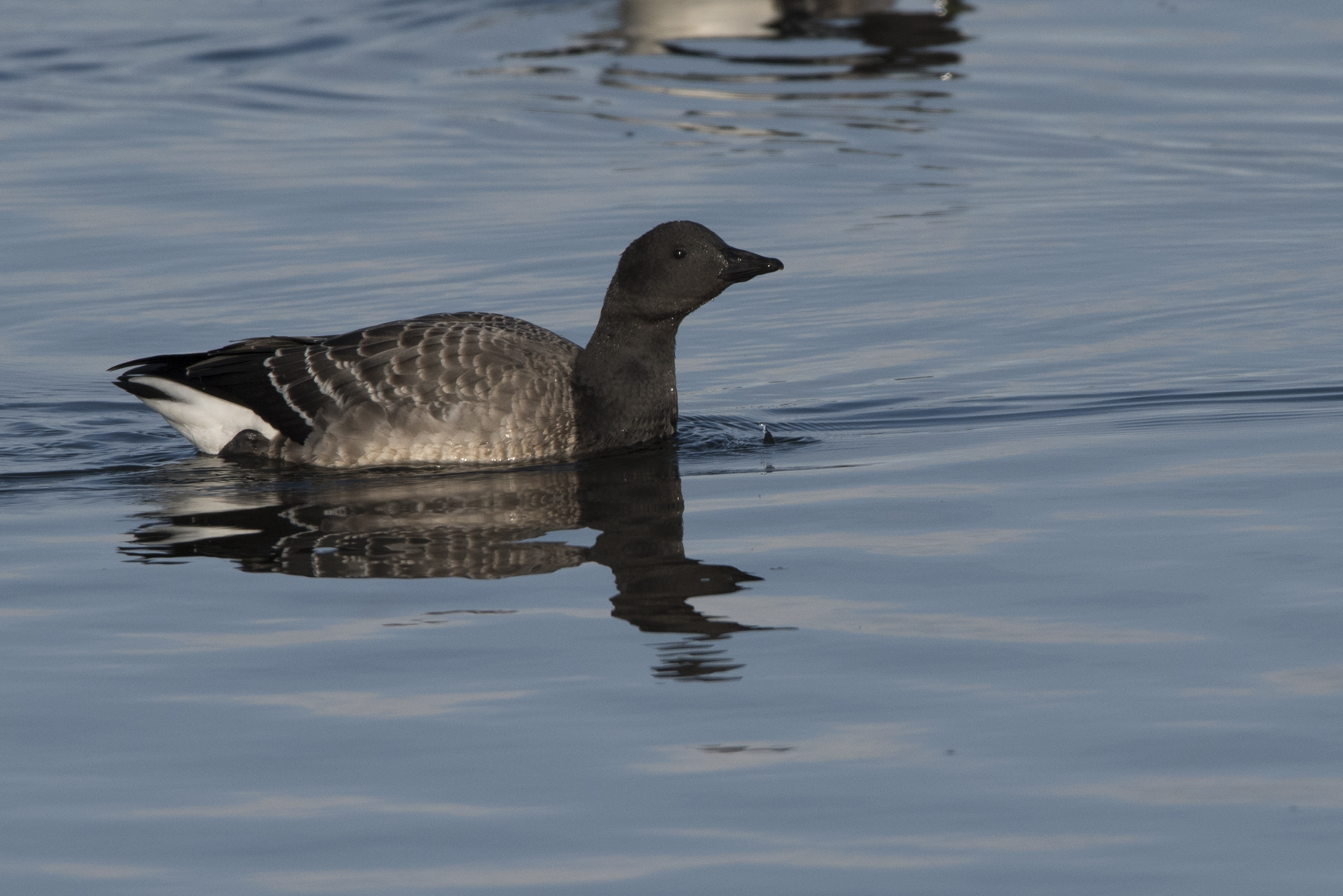
Next the Brent goose ( Branta bernicla) This small goose  is similar in size to a mallard duck. Can be hard to get good photographs with the eye showing because of the dark coloured neck and head. With the setting sun behind me it was just right this evening. They are always in a flock and the on singled out here is seen drinking.

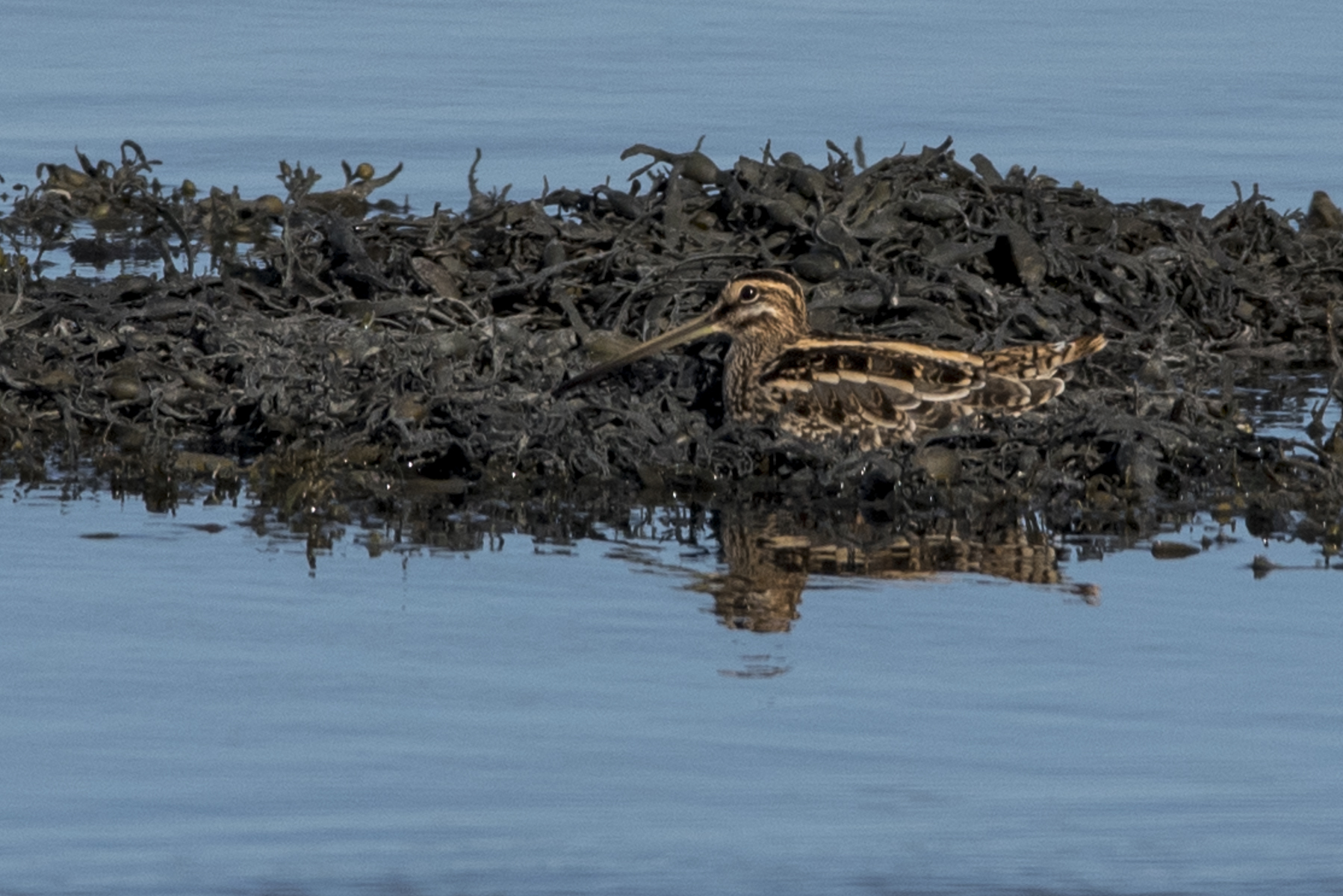
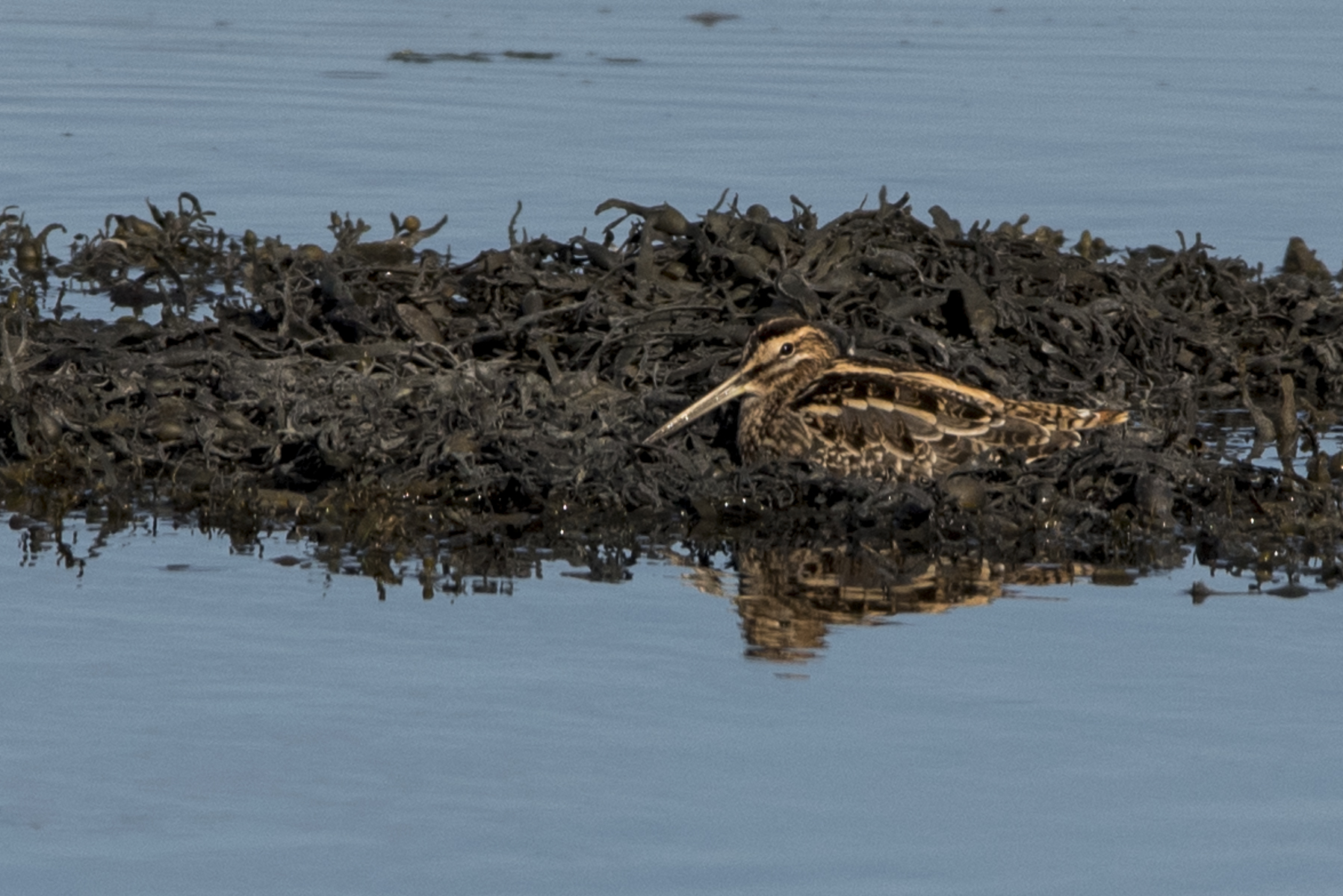
The Snipe(Gallinago gallinago) this is a bird that is getting rare to see here, it’s numbers have declined over the years. When I was a kid at school ( a long time ago) these where common and seen over most marshes daily. I was surprised to see two of them together. The Brent geese disturbed them and these one flew closer to me and nested down into the seaweed.

The Redshank (Tringa totanus) gets it’s name from it’s most distinctive features, their bright orange-red legs. I find these are one of our most common birds along this part of the coast. They can be found in large flocks or today just a few feeding on the incoming tide.

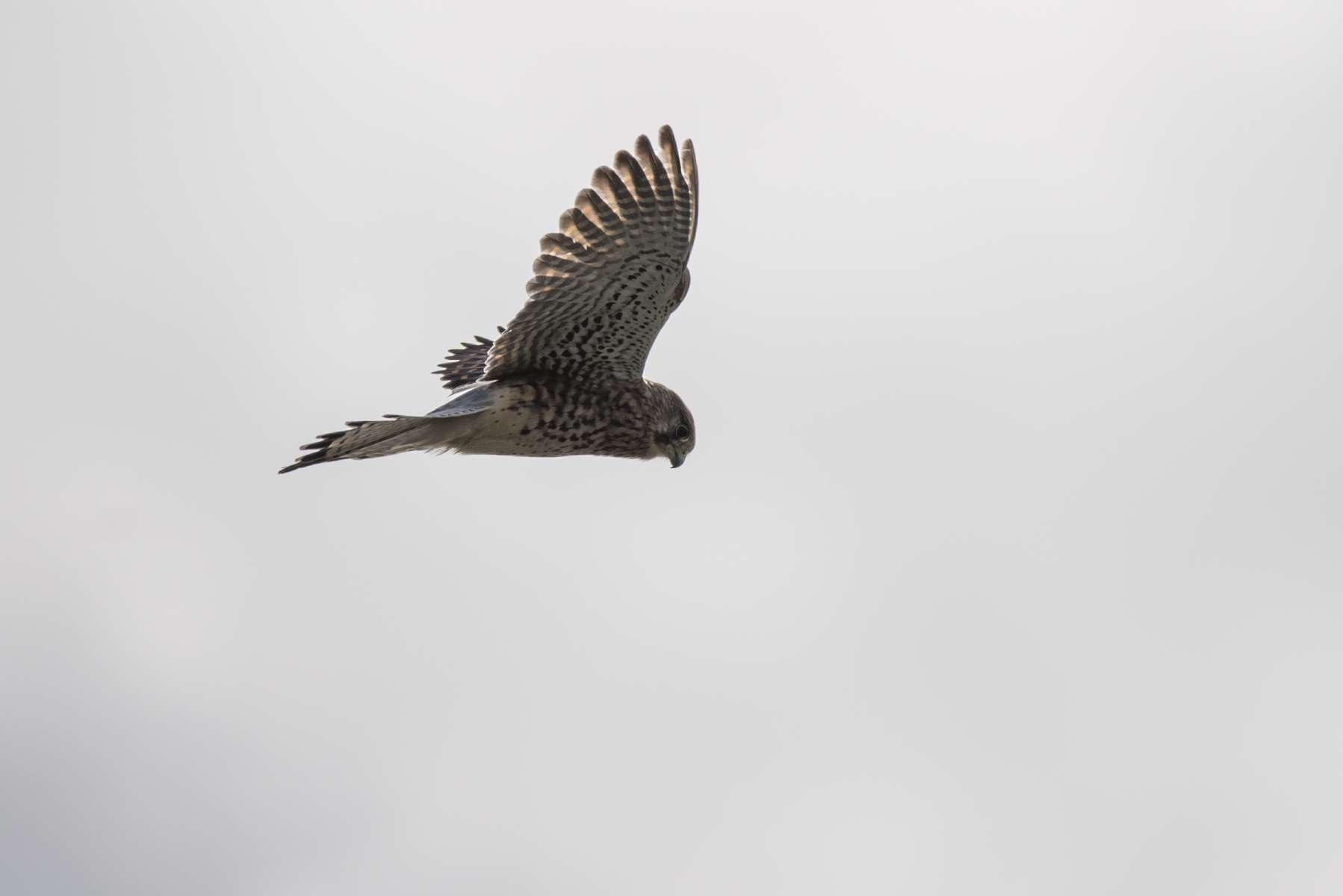
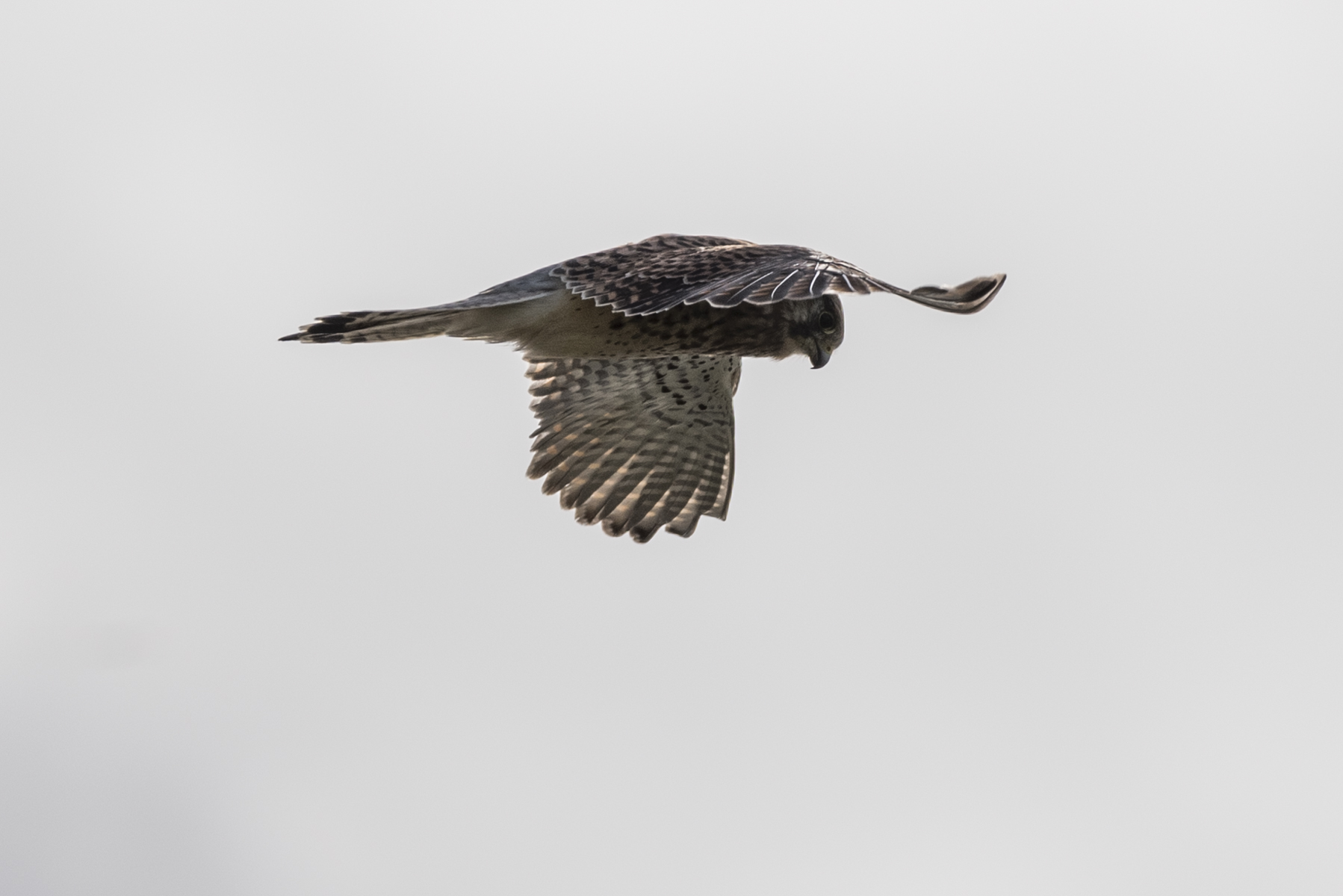
The next photographs where taken from my van when I saw this Kestrel just for the road side. I pulled over and shot a few frames before it moved off.

Kestrel (Falco tinnunculus) these are a small falcon and are often seen as here along the road sides hovering looking for small prey.

The colour is a little weak in these photographs of the Kestrel with the bright sky behind them but since they were part of the coast outings I included them.

Thank you for visiting and I’ll leave you with a image of Portaferry across Strangford lough.

Brent geese with Portaferry in the back ground and Windmill hill on the right.

George.

Black & White Wednesday

Had a few days break from work and was happy the sun decided to shine those few days. So I spent one of them at a few spots along the County Down coast. The tide was out and I was not counting on much wildlife on the mudflats. But the day left me with some grand photographs. So todays image is one of a Little Egret (Egretta garzetta) fishing in a fresh water stream that runs out through the mudflats.

Little Egret: Egretta garzetta

So it turned out a enjoyable day and may you all enjoy your day.

George.

Camera: Nikon D750 with a Sigma 150-600 mm lens

Data: f/6.3 @ 1/2000 sec: ISO 360, focal length 600 mm

Black & White wednesday

This week we’re off to the coast and a small black and white bird called a Pied wagtail (Motacilla alba) is the subject. They are a common bird here in Ireland and the UK and can be seen all year round. They can be found almost any where, from coast to city centres. When standing they frantically wag their tail up and down or dashing across the ground in search of food.

Pied Wagtail (Motacilla alba).

Camera: Nikon D750 with a Sigma 150-600 mm lens

Data: 1/800 sec @ f/6.3: ISO 320

Lens focal length: 600 mm

Stay safe,

George.

Black & White Wednesday

Going for gunpowder, another photograph from Castle Espie. On the way through the woods we passed the old gunpowder store. nothing would do but a look insider. Not sure if he found any and there was nothing on the evening news. So all good.

The gunpowder store Castle Espie.

I normally post one photograph each week on B & W Wednesday but this week I am posting another from Castle Espie. A view across Strangford lough to Scrabo Tower. I meant to post this with another view across Strangford lough I posted a few weeks back.

Looking across Strangford lough to Scrabo Hill.

Some info below:

https://www.wwt.org.uk/wetland-centres/castle-espie

http://celtandkiwi.com/scrabo/

Thank you for dropping by.

George.

Black & White Wednesday

This weeks photograph comes from Castle Espie on the shore for Strangford lough County down. It is part of the Wildfowl & Wetlands Trust . Link below. After doing the wildfowl area it was into the Secret Swamp were my grandson informed me it’s where the swamp monsters live. So with a few near misses we make it through pass the wishing tree and into the woodland play ground. Along death defying log walks and through pipe tunnels into the safety of the walled fort, only the brave make it. I don’t think I would have made on my own….

The pipe tunnel where no man with a camera should go, only the little folk..

Castle Espie and WWT link: https://www.wwt.org.uk/wetland-centres/castle-espie#

Nikon D7200 with a Sigma 17-70 mm lens

Data: focal length 17 mm, f5 @ 1/60 sec ,ISO 500

Edited in Lightroom and finished in Nik Silver Efex Pro 2.

Thank you for visiting,

George.

Black & White Wednesday

Welcome to another B&W Wednesday, the photograph this week of a Cabbage White butterfly. It was taken with a 150-600 mm telephoto lens. Using a telephoto lens allows you to stand well back from your subject, less chance of spooking them.

Shot in raw format and edited in LR with the final edit in Nik Silver Efex Pro.

Photographed using a Nikon D7200,

Sigma 150-600 mm lens.

ISO: 400, f8 , 1/800 sec. Lens focal length 550 mm.

Thank you for visiting and stay safe.

George.

Early Mornings

My how life has changed for most of us, restrictions, work closures and social distancing to name a few. So for the last six weeks I’ve been at home, fuel prices are down the weather is great but I can’t go anywhere. Travel restrictions are in force so traveling to the coast is not going to happen. I have been walking in my local area and get out for sunrise most morning. I walk in a local wood for a few hours and explore trails that take me away from the beaten path. I don’t carry my camera every morning but will use my mobile/cell to photograph sunrise’s and landscapes in the woods. I post to Instagram most days, link at the bottom of the page. So any photos on this blog are taken with my Nikon DSLR. The following where taken over a period of time.

Covir-1-68.JPG

This shot is across County Down with the Mourne mountains in the back ground.

Covir-1-74.JPG

The remains of a small hill farm for days long gone.


Covir-1-62.JPG

Been trying to find out more about this Cross on a distance hill. (most of this photos are shot with a telephoto lens which creates a compressed perspective). I have been told it was a site of a Mass rock.  Link:  Mass rock   

Will be finding out more about this cross and I have to find if there is public access to it.
Covir-1-51.JPG

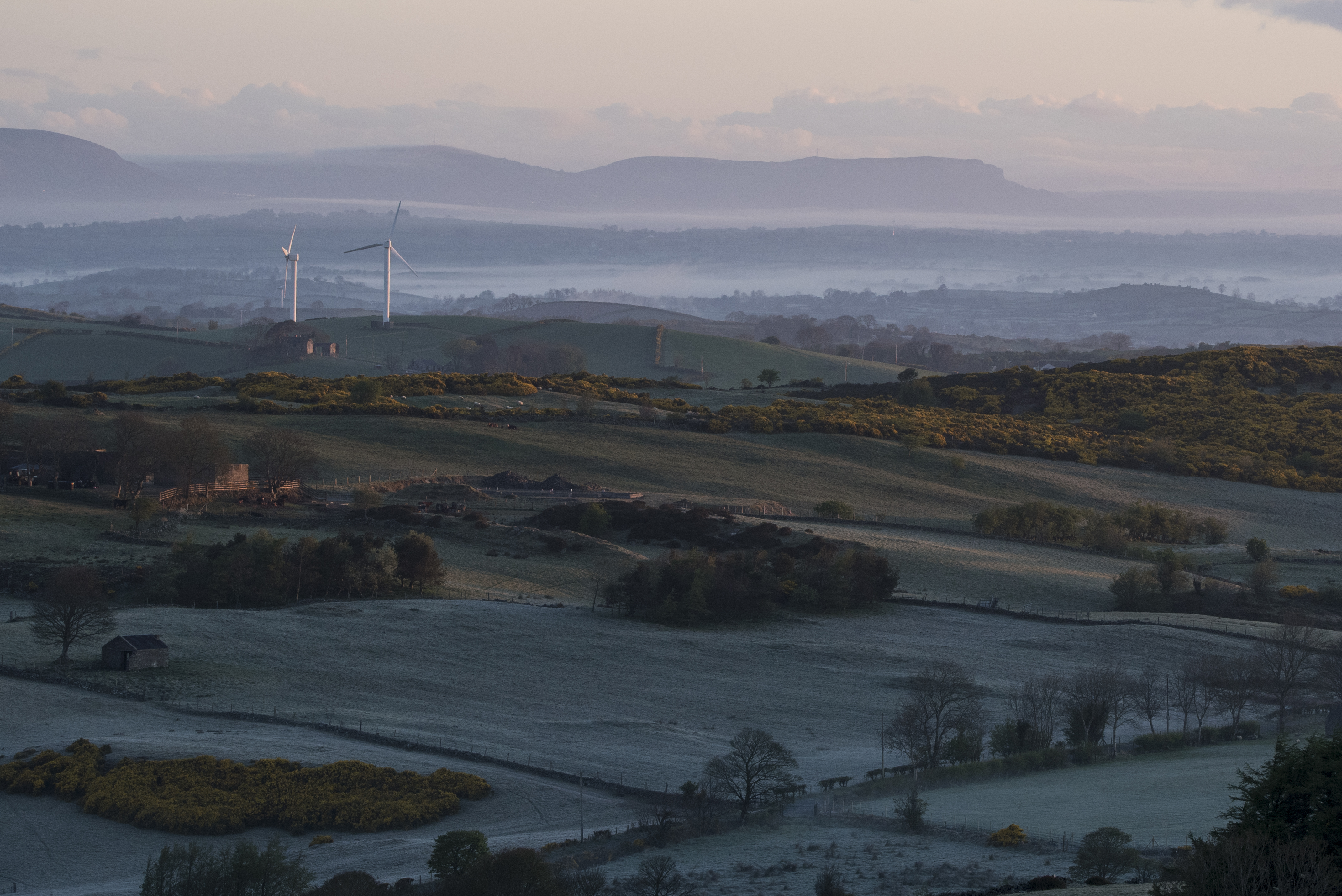
A cool frosty morning in this shot with frost lying on the fields in the foreground and the hills on the other side of Belfast in the background. A view around 25 miles away. The next shot is to the west and is of Scrabo Tower above the town of Newtownards in County Down. Again this would be around 25 mile away. Link: Scrabo

Covir-1-52.JPG

Given the warm weather we have been having and the cold nights we get the valley’s full with mist early morning and late evening.

Covir-1-54.JPG

Covir-1-56.JPG


Where I grew up in Ireland these mists were known has ghost mists due to the distortion effect on objects around you. If you saw somebody walk into the mist you would understand why….

Going to finish the landscape side with another old hill farm shot, this you can just see through a gap in the trees.

Covir-1-66.JPG

Next a few of the wild life I have managed to photograph on my walks.

Covir-1-30.JPG

A one legged Mistle Thrush. Link : Mistle Thrush
Covir-1-36.JPG

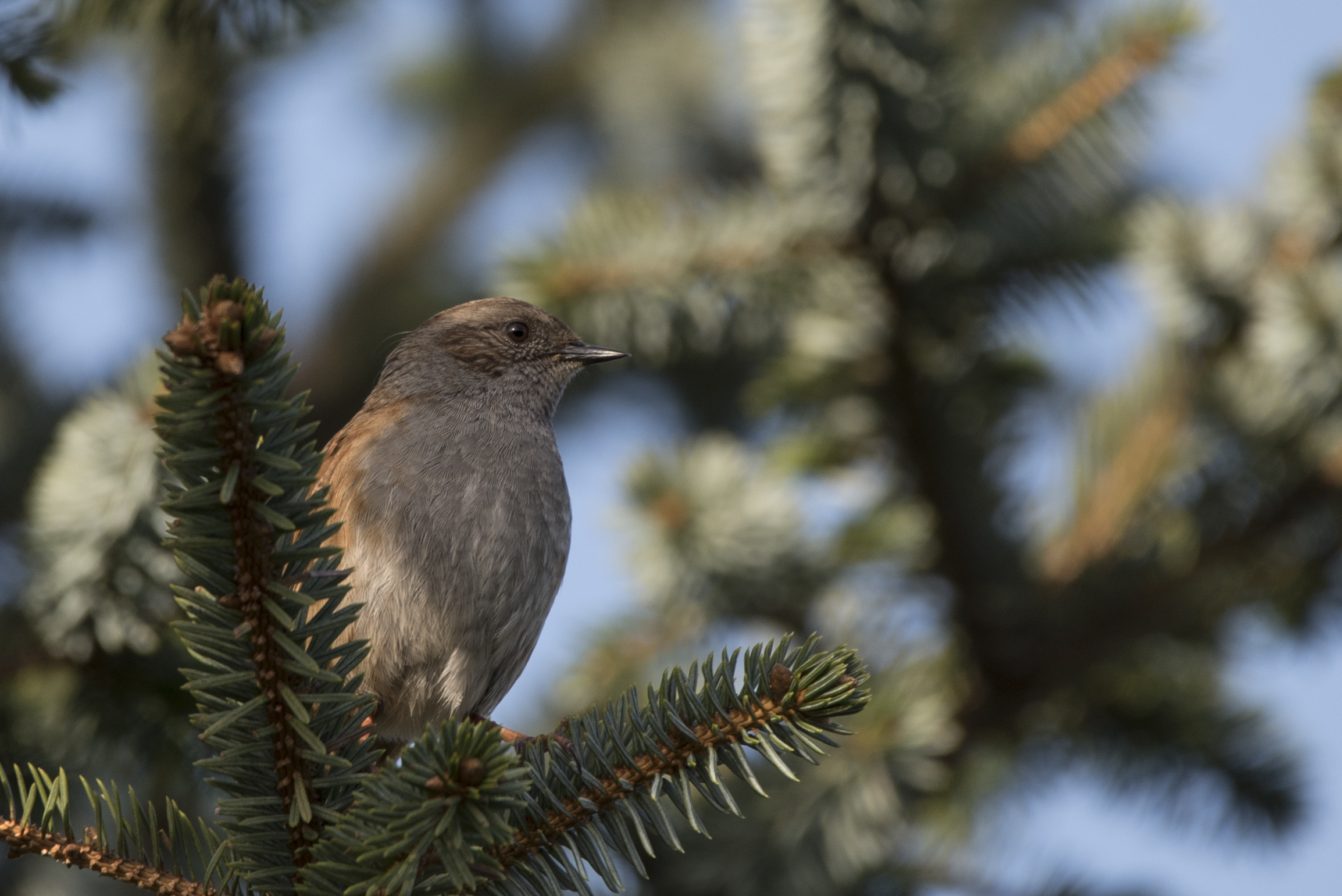
Dunnock: Dunnock

Covir-1-73.JPG

Covir-1-70.JPG

Chaffinch: Link Chaffinch

Covir-1-15.JPG

A young buck and doe deer.
Covir-1-27.JPG

Covir-1-3.JPG

Covir-1-6.JPG

These photographs are of Roe deer. I was lucky to get these shots has the first sight or smell of humans and they disappear . I still had my camera in hand has I make my out of the woods, just rounding a bend I spotted them feeding. I slowly pushed into the foliage beside me and stood still. Having a 150 – 600mm lens on the camera helped me get these shots.

I have a list of the birds and animals still to photograph, so my early morning walks will continue while work is suspended.

Thank you for joining me on my walk.

Stay safe and well.

George.