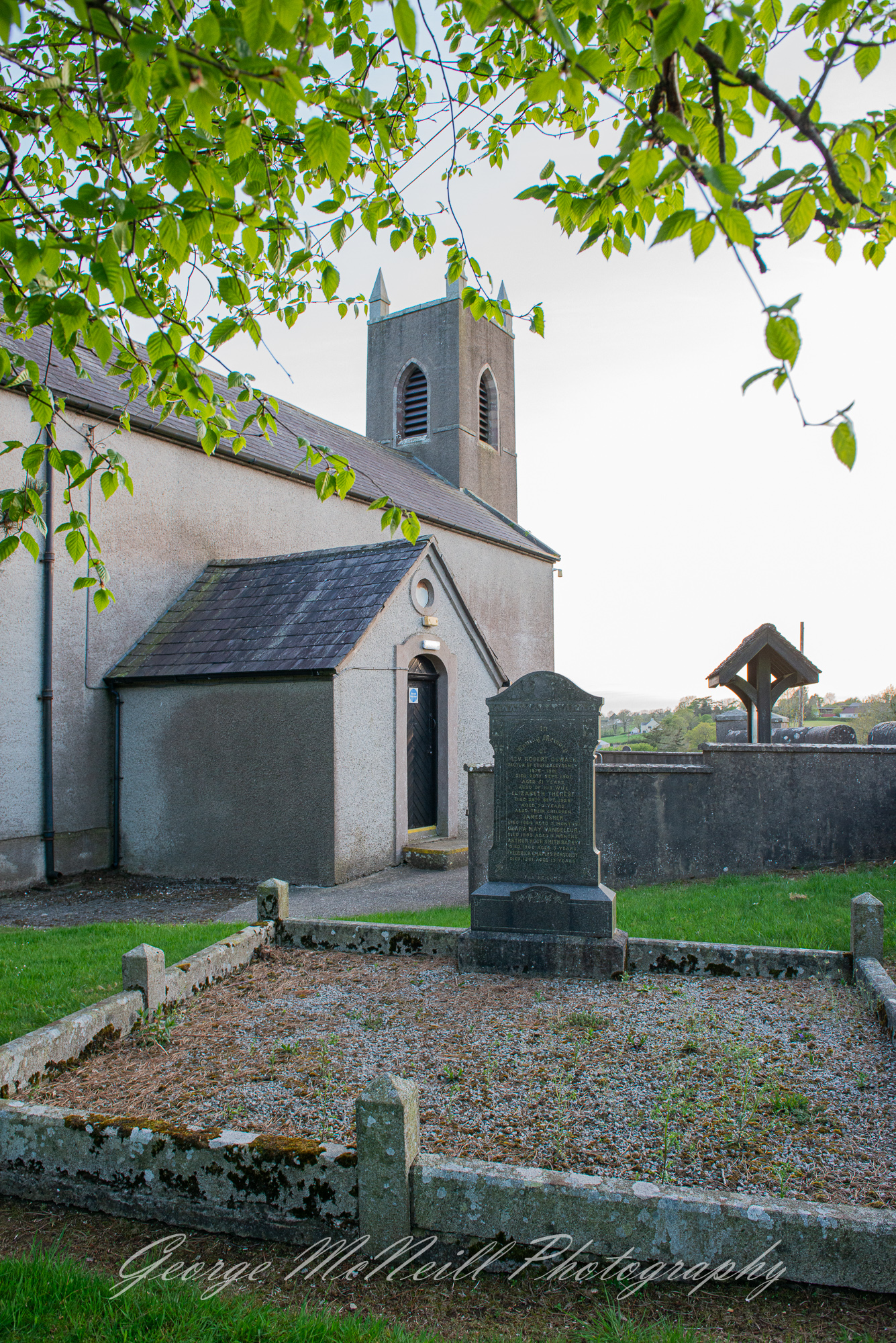
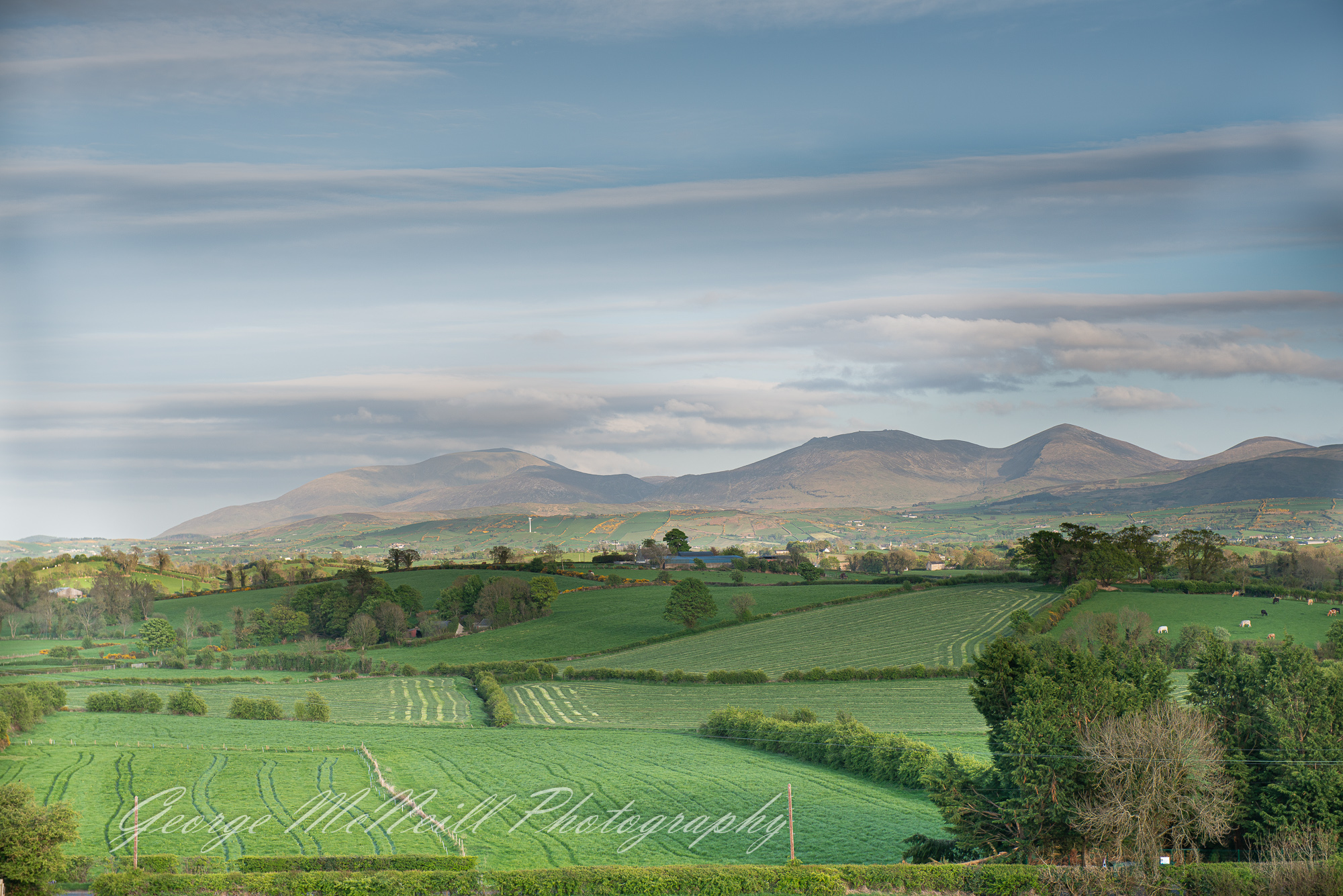
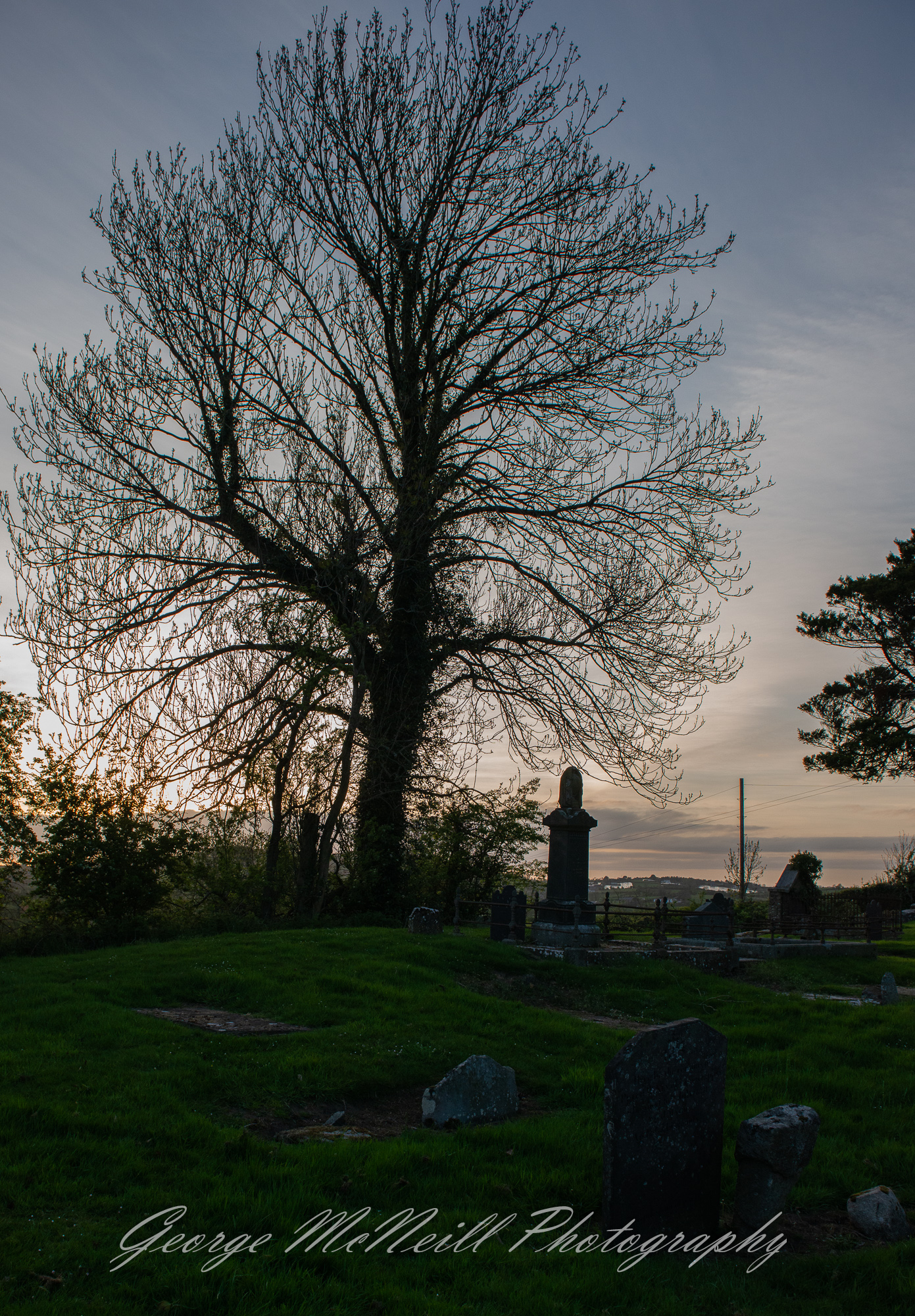
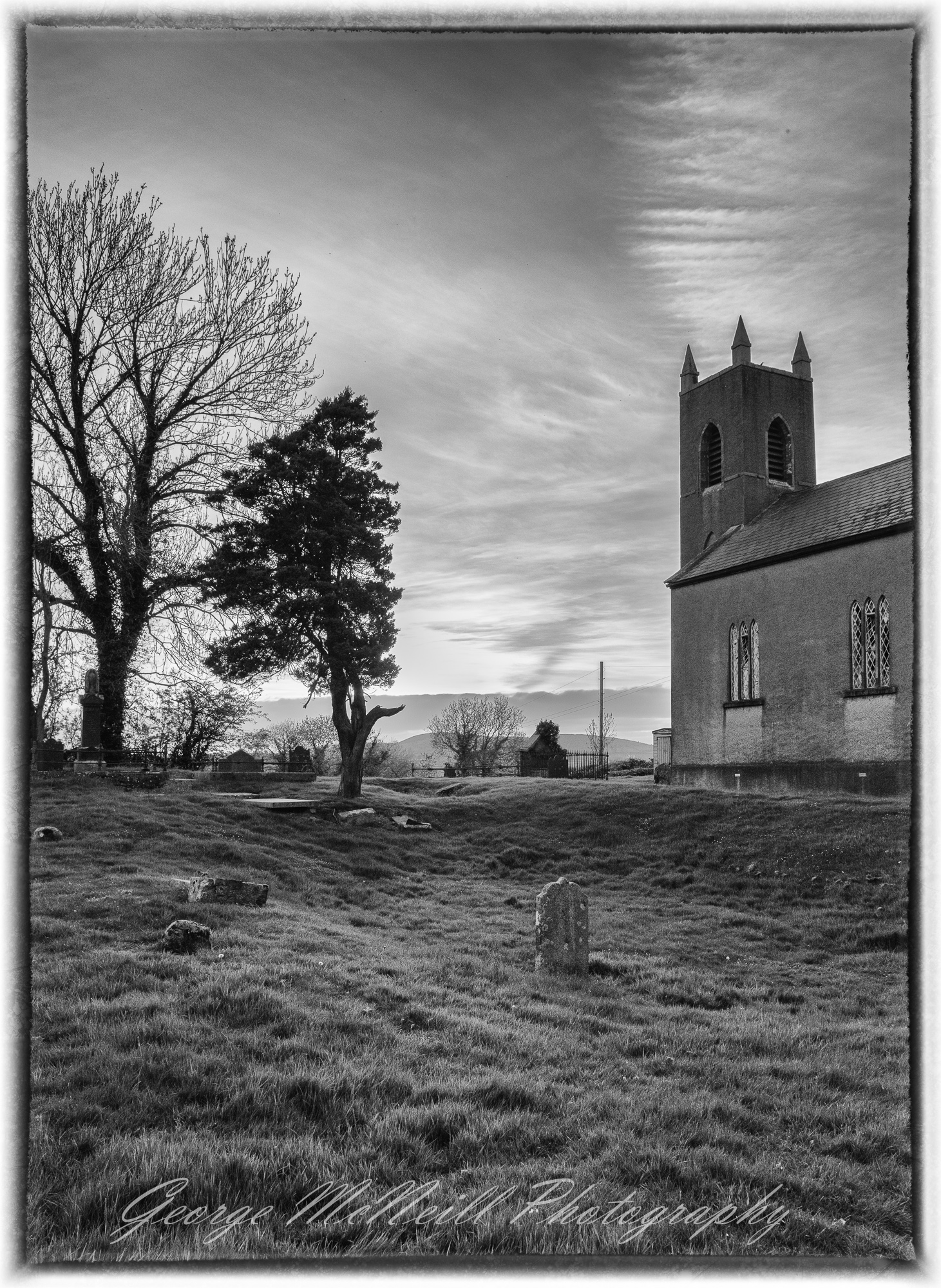
Drumballyroney church sits on top of a hill with views across county Down into the Mourne mountains.
One view from the church carpark.
The church is also known as The Bronte church. Patrick was born in the parish of Drumballyroney and this was the family church. He was born in 1777 and died 1861. He was the father of the writers Charlotte, Emily and Anne Bronte.
He was a teacher until 1802 when he won a scholarship to study theology at St John’s collage, Cambridge. It was here he changed his name from Brunty to Bronte, the Greek word for thunder.
He taught at the school beside the church for a short while before going to Cambridge after which he ordained as a Deacon of the Church of England in 1806 and entered the priesthood in 1807.
There as been a few changes in my life over this last couple of years, changes where I stepped back from posting. Taking time to look after myself from the stress of my employer moving me to a different location to work. I survived and retired in December 2024.
So my first post is about volunteering with the RSPB as a Conservation Officer on The Northern Ireland Red Kite Project.
These birds were reintroduced back into the north of Ireland in 2008 with young birds from Wales. 2010 saw the First Red Kites to hatch in Northern Ireland in 200 years.
They are monitored most of the year, Winter means being out in all weathers till dark doing Roost counts. These birds like some other birds of prey are social and roost in groups, first we need to find the roosting sites. Then count how many are there, This information is relayed back from all the volunteers from different roosts. it gives an indication of how many are in the area.
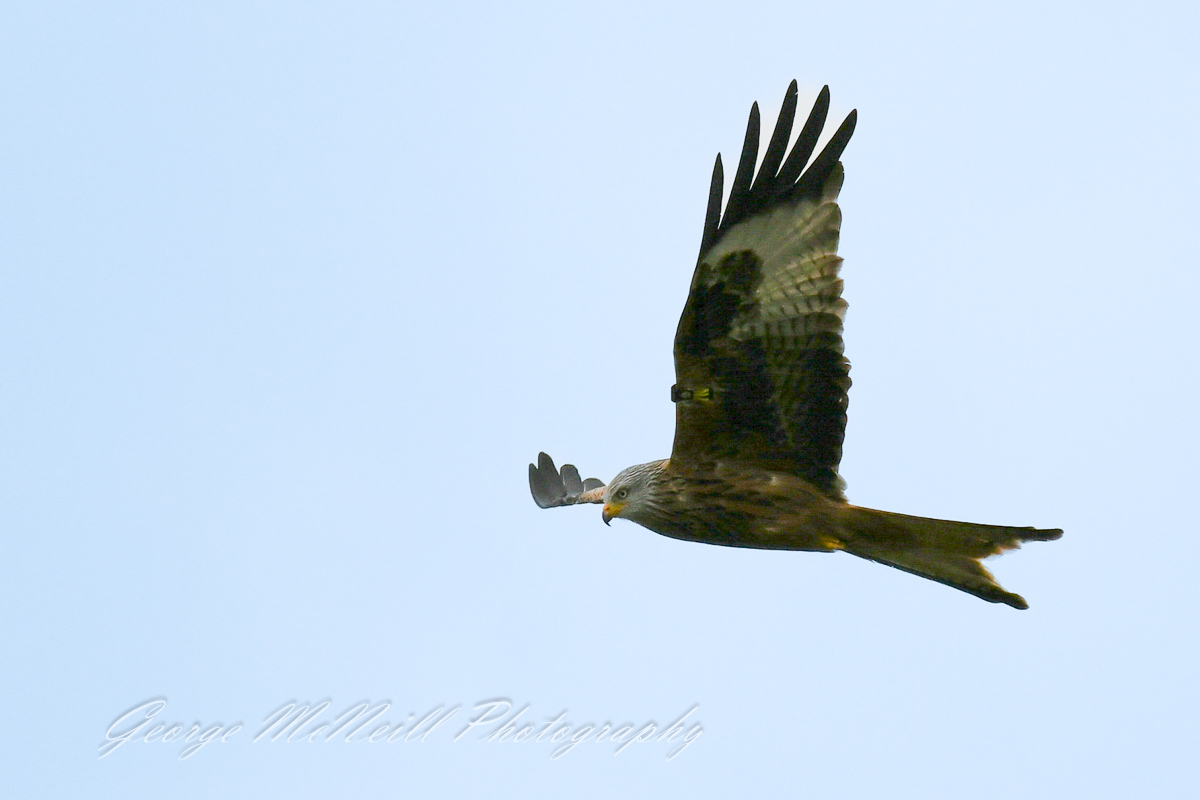
Red Kites hunting for food.
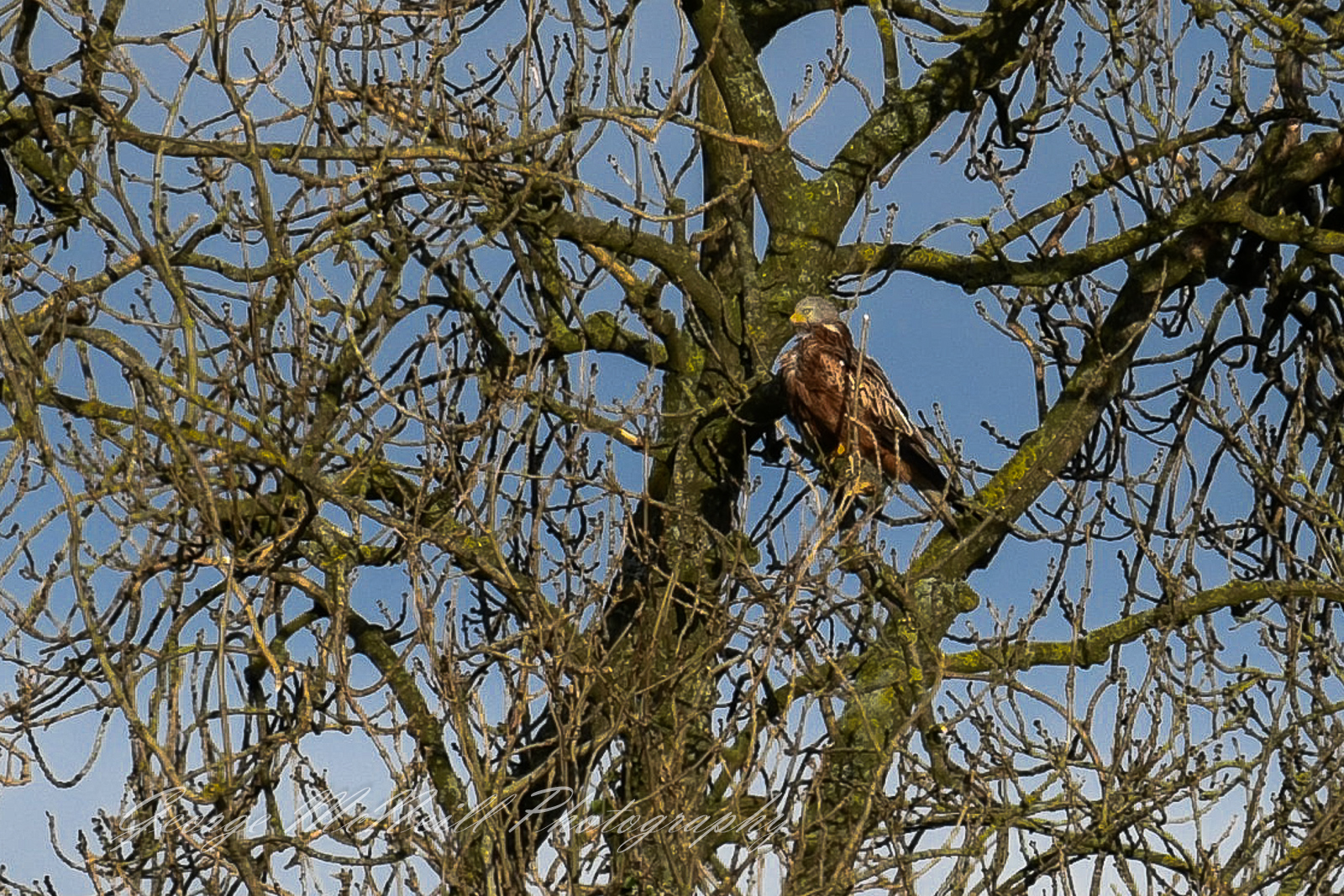
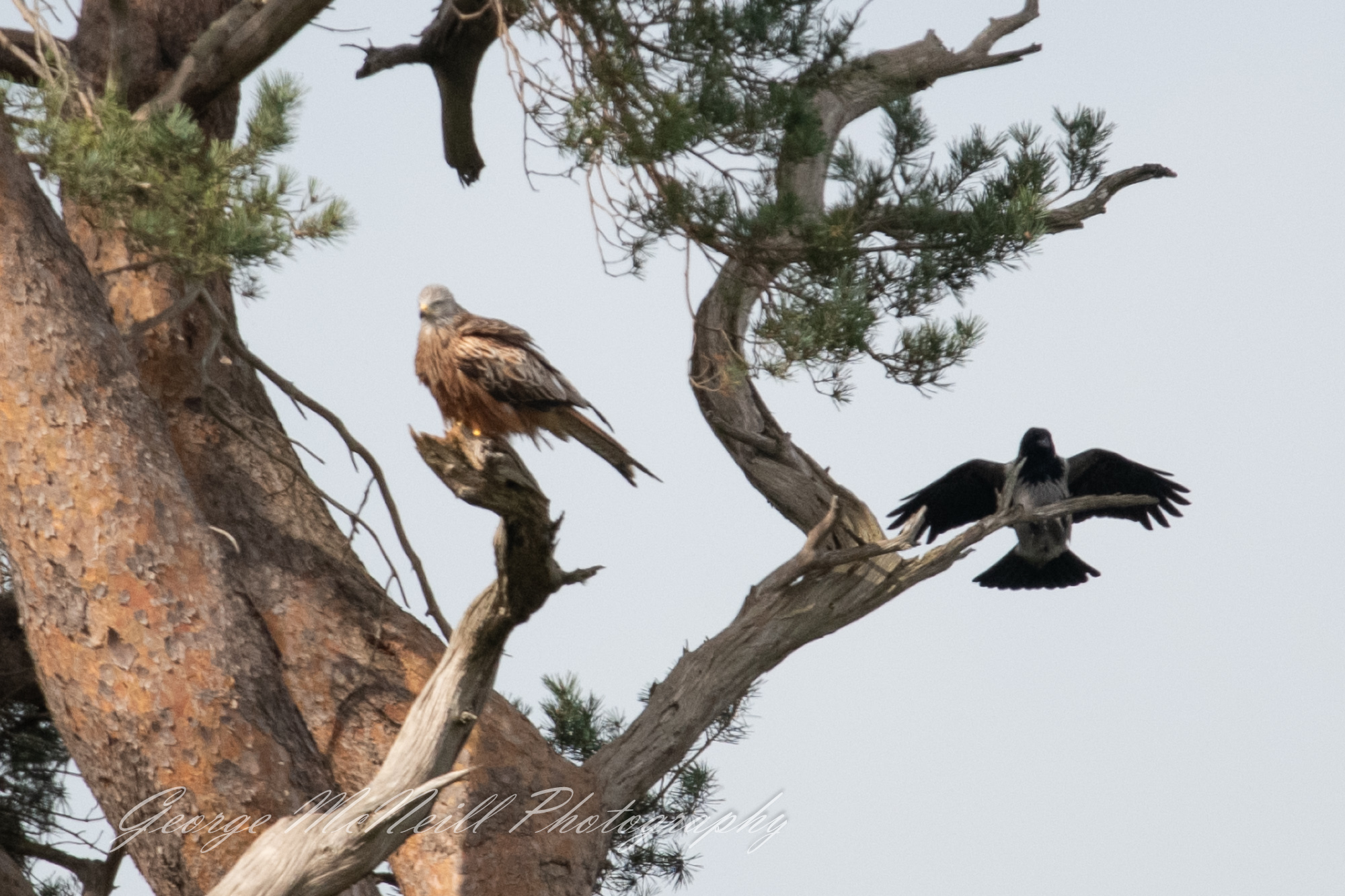
You can see in the above photos wing tags on some of the birds, brown tags on the left wing means it a Northern Ireland bird. The colour tag on the right wing gives the birth year, there are numbers and letters on the tags which help in with nest and year information. Also you can see the forked tail from which it gets it name.
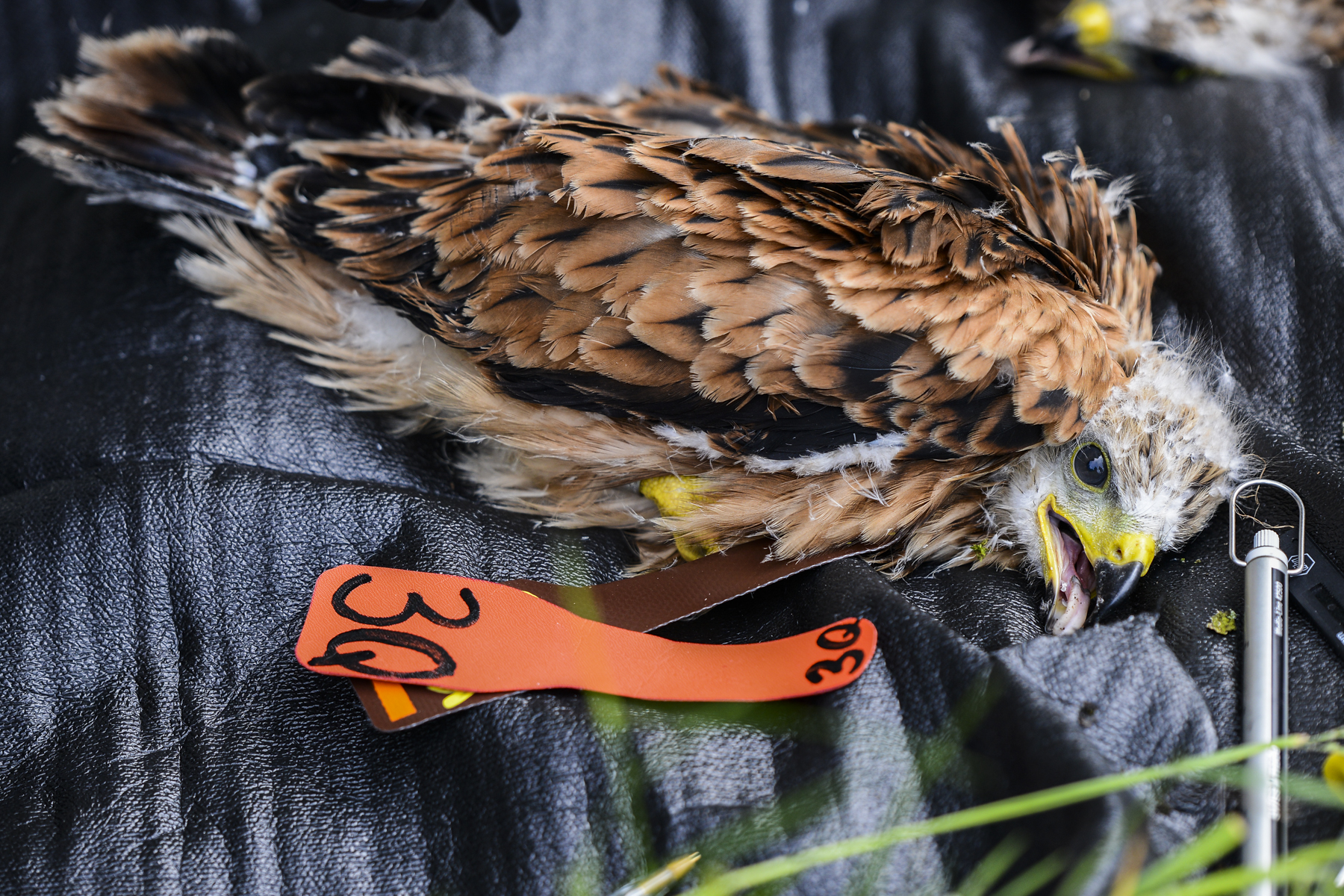
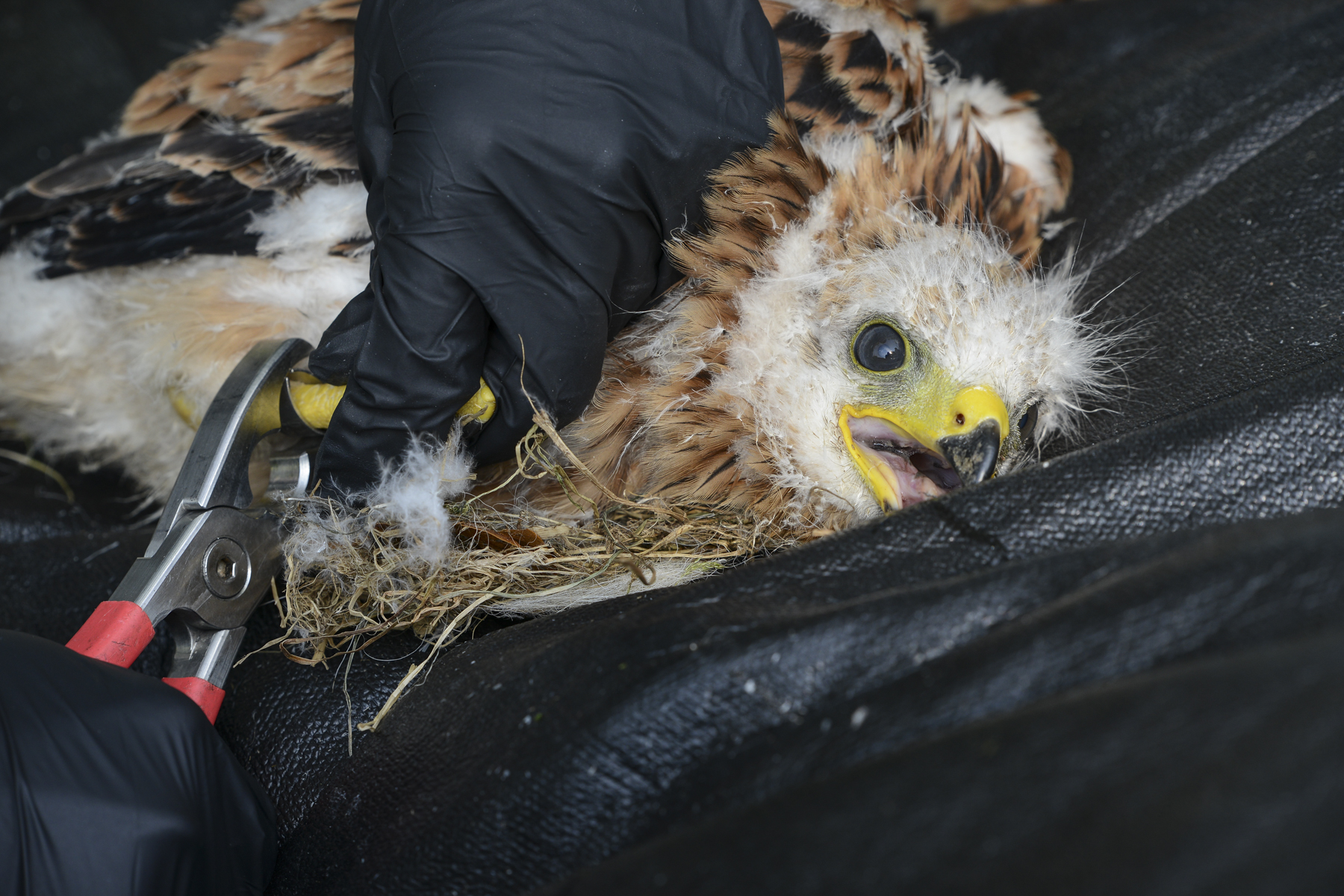
Next comes Spring and nest building time. Red kites mate for life and will reuse the same nest if they were successful in rearing a family in it the previous year. But if unsuccessful will move to a new nest site. This becomes race to find them before the trees get their leaf covering. Plus we get help from the public who report possible nest sites. We monitor the nest for the sight of chicks, when they are five to six weeks old the identification tags are fitted to the wings and leg. you have to be licensed to handle and tag these birds.
Young Red Kite waiting to be tagged While in the other photo it’s getting a leg ring fitted. Notice the young birds just stay still, they play dead.
I will give some measurements and weight for adult birds .
Length: 60-66cm or 23-26 inches
Wingspan: 154-170cm or 60-67 inches
Weight: 750-1600g or 1.6-3.5 pounds
We watch the young Kites getting stronger by the week as they lose their down for full feathers, flapping their wings to build strength for flight. Once flying juveniles move on after four weeks.
Its at this time we get a short break before autumn arrives and the dark evenings. Time to warp up warm and look forward to roost counting season.
I’ll leave you with a few photographs of this beautiful bird and thank you stopping by.
First off, congratulations on the retirement. I can definitely say I never looked back after making that call. Now the Red Kite…wow, that is a cool bird. We have the White tailed variety over here to enjoy, but I do really like your resident variety. Thanks for introducing me to this species!
Welcome back and you’ve been missed!! Congratulations on your retirement and new volunteer opportunity! Looking forward to seeing some of your wonderful photos as you enjoy less stressful times.🙂
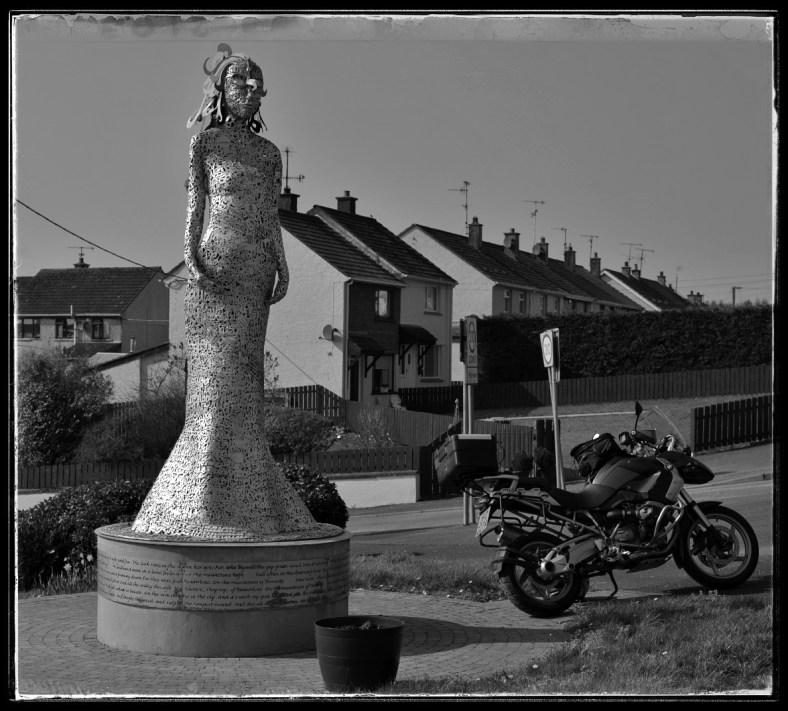
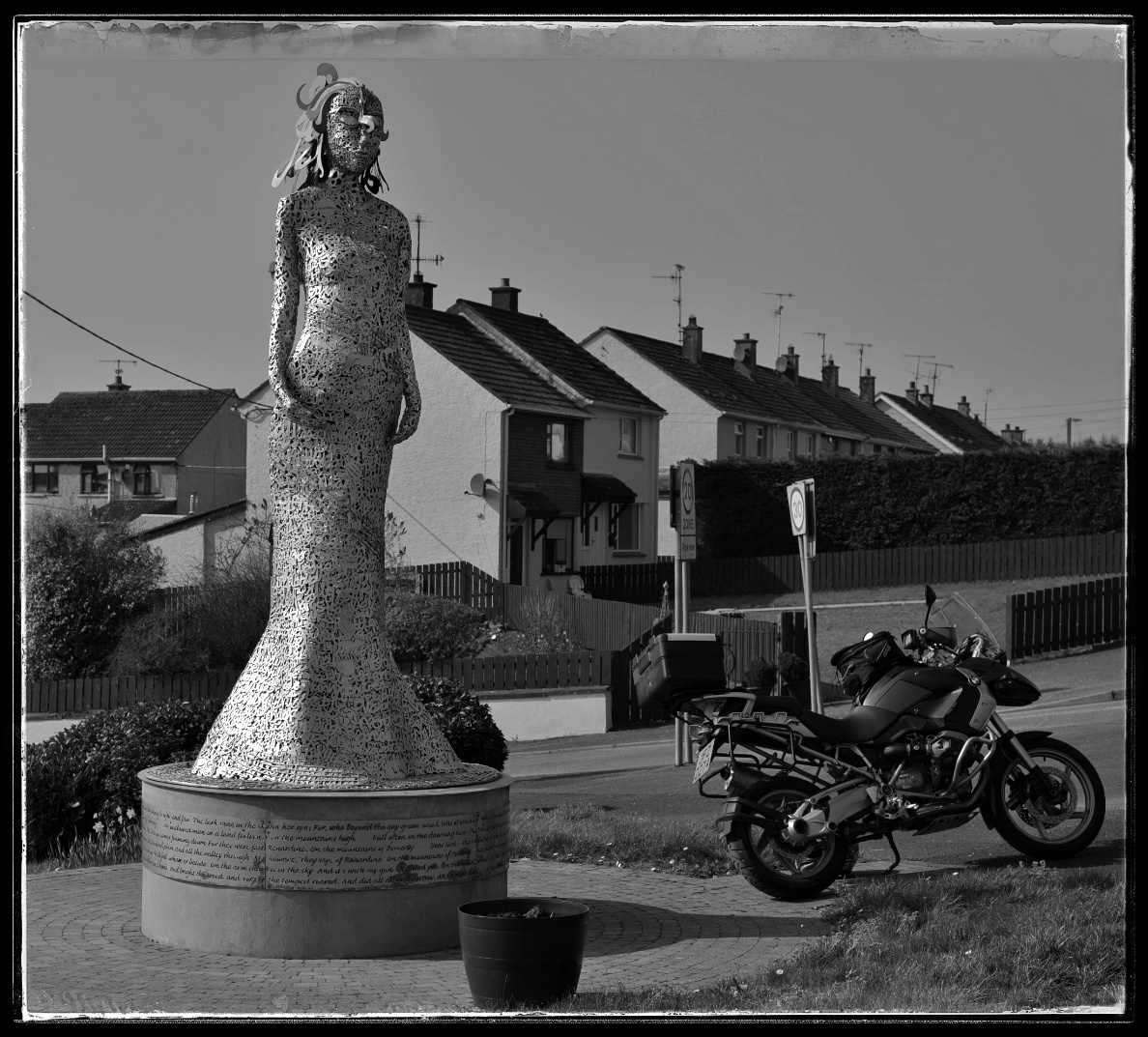
Continuing this week with another Irish photo rally point. This one is just a couple of mile from my home. The Dromara Destroyers roadracers. Here in Ireland a lot off motorcycle racing is done on public roads that are closed to the public for the days racing. The four that made up The Dromara Destroyers are Brian Reid, Ray McCullough, Trevor Steele and Ian McGregar. I grew up watching this racers through the1960’s, 1970’s and into the 1990’s.
I grew on one of the oldest road racing courses in Ireland, the Temple 100. I include a YouTube link
So back to the Dromara Destroyers garden in the village of Dromara, County Down, Northern Ireland.
Temple 100 road race. Dromara Destroyers garden.
These are just four of the many racers that gave us some great racing here in Ireland. I take my hat off to all of them, the ones that are still racing, the ones retired and those that died too young.
This week one of the biggest road races in the world is happing, The Isle of man TT. Yesterday a local racer lost his life competing on the island.
Davy Morgan R. I. P, and deepest sympathy to his family and friends.
Welcome to another B & W Wednesday, hope all is well in you in your part of the world. The norm of this post is a single photograph. I will be posting a few images if they are related to the day and place they where photographed.
So the location is in the Dromara hills close to my home. The morning was heavy fog but around 11.30 am the sun was burning it off and opening the views to that layered effect.
This was taken has I climbed up through Drumkerragh forest has the fog was thinning.
With the fog clearing quickly has I walked higher up into the forest the sound of crows and ravens filled the valley with there calls. Pairs flying from tree top to tree top it gave me a chance to get a few nice images. This one below is off a couple of Ravens on a dead tree.
Raven ( Corvus corax) is a member of the crow family.
In spring if you ever get the chance to watch Ravens do their courting flight, please watch them. They love to fly and at times you might think they have a death wish has they race towards the earth.
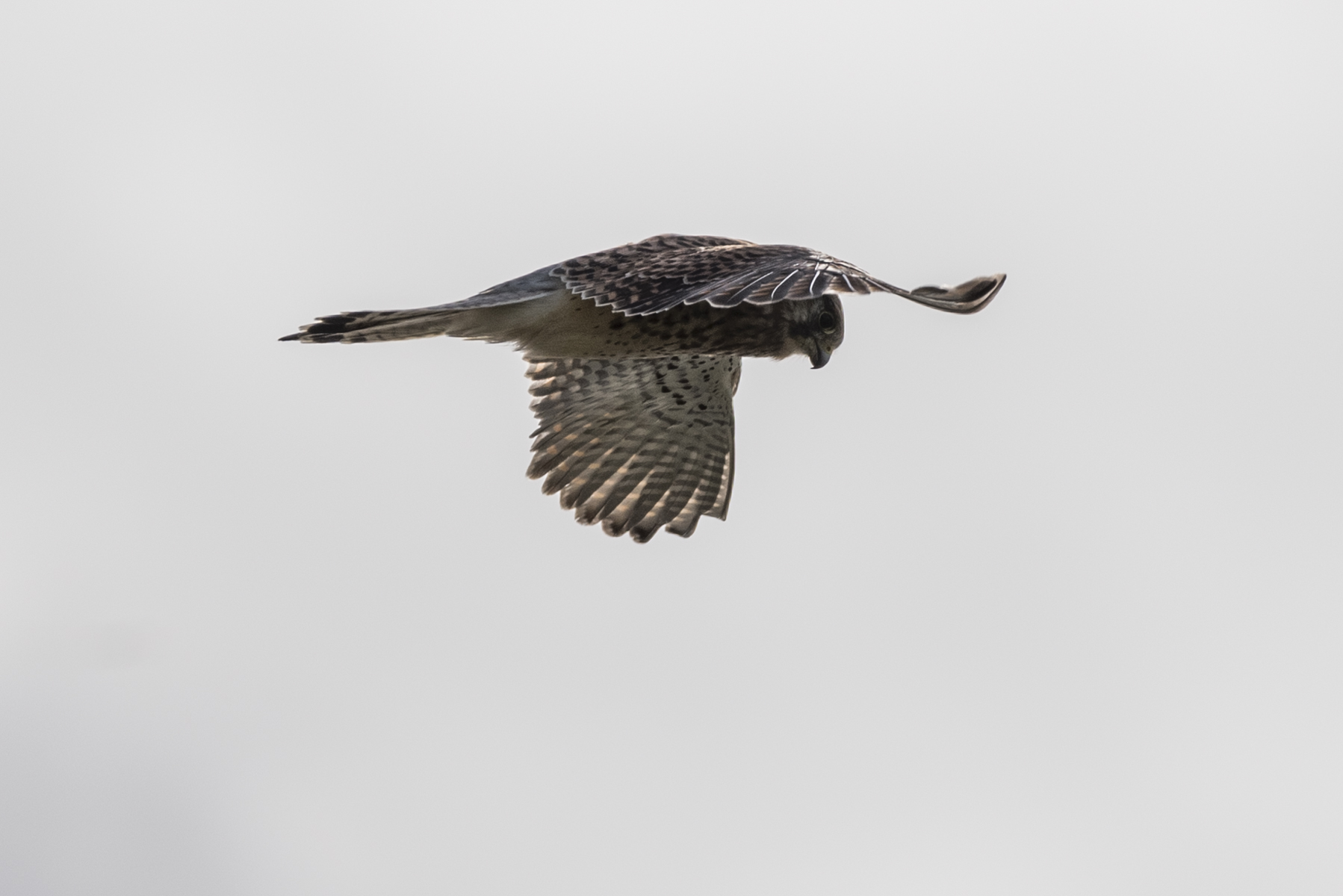
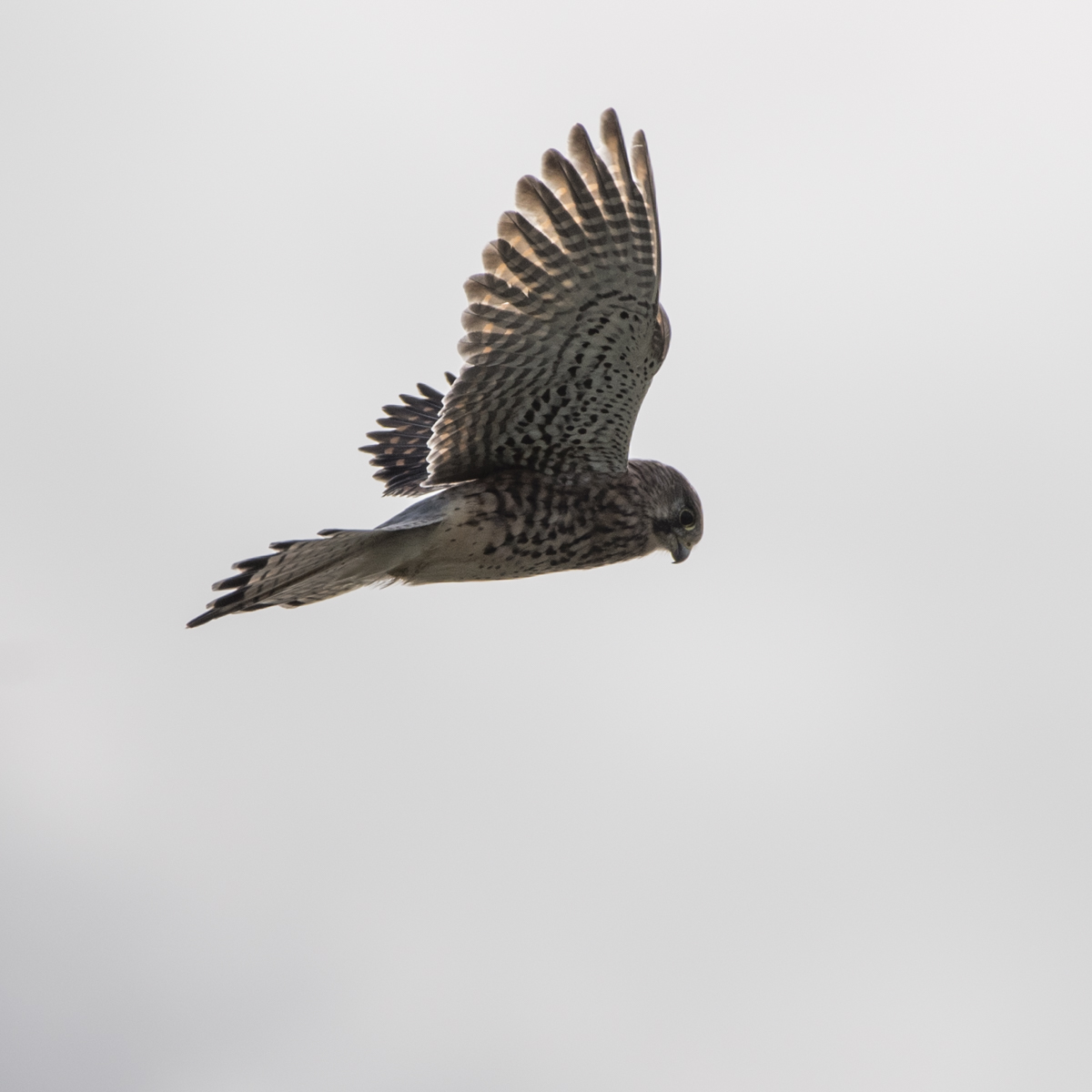
My next encounter was a small bird of prey, a Kestrel. I saw it sitting on a tree top and slowly made my way towards it. I lost sight of it and then has I rounded a group of trees there she sat. I got a few images has she sat looking around her but a bunch of twigs was spoiling them. Then she took off and came my way drifting on the breeze looking for prey. Nearly above me she started to hover and that’s when I got the following image.
Female Kestrel.
Kestrel ( Falco tinnunculus ) belongs to the falcon family of birds.
These are another fun bird to watch has they hover in the sky looking for small prey on the ground, when spotted the drop at great speed onto there prey.
Hello to my visitors, hope you are all keeping well where-ever you are in our crazy world. This week I would like to meet a home invader. Been caught in my living room, sitting on my sofa, in my kitchen. But is always welcome to come in and get petted. So the other morning I was going out to the coast to do some photography, it was sitting on the doorstep and the sun was reflecting off the white van. So I grabbed the camera and took three or four photos. I turned one into this weeks B & W image. It was only when I looked at the finished photo I thought this is a grumpy looking cat. But it a very friendly and adores getting attention. Did you notice it sits with a front paw up like you would see some dogs do. It always sits like this, at first I thought it might have a sore paw ( hence the grumpy look) but seems to walk and run ok.
Grumpy cat..
So this my house invader, always welcome to come in.
I used a Nikon D7200 fitted with a Tamron 70 – 200 mm SP lens.
Photo data: f/4, 1/60 sec shutter speed. ISO 100 and lens focal length 78 mm.
Thank you for visiting and be kind to all living things.
DREAMING, this weeks photo was taken back in 2012, while walking around the shop I spotted this Victory Highball 106 cubic inch motorcycle. After a few tried it for size I thought I’d give it a fitting. Well it felt fine, I could hear ‘ Freedom of the road, The Drifter’ playing in my head and the wind blowing in my hair. Well it use to, honest..
The Drifter. ( Sherri T Hill )
Needless to say I’m still dreaming.
I still ride motorcycles, have done for 44 years but never had a custom style bike, I’m not finished yet…
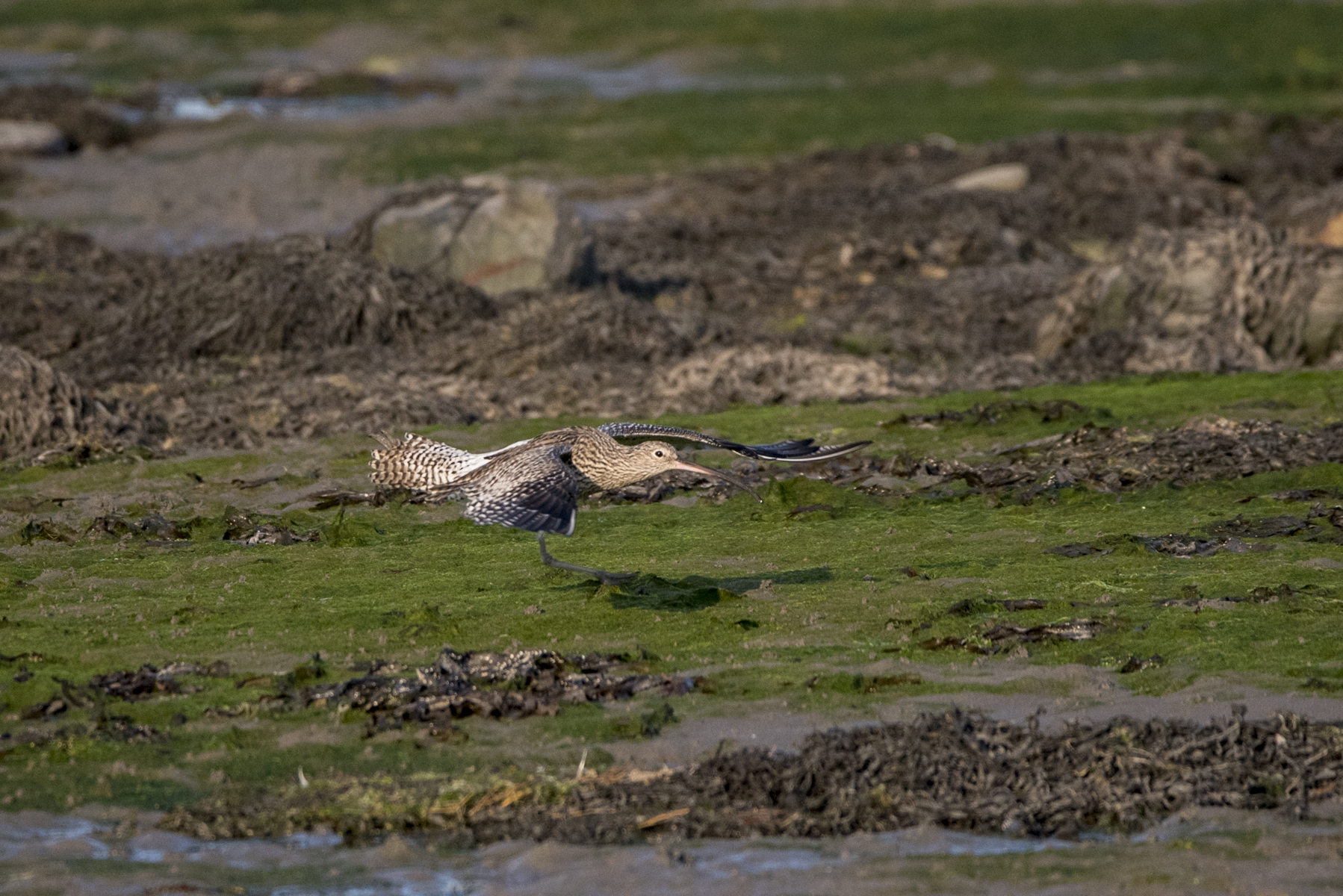
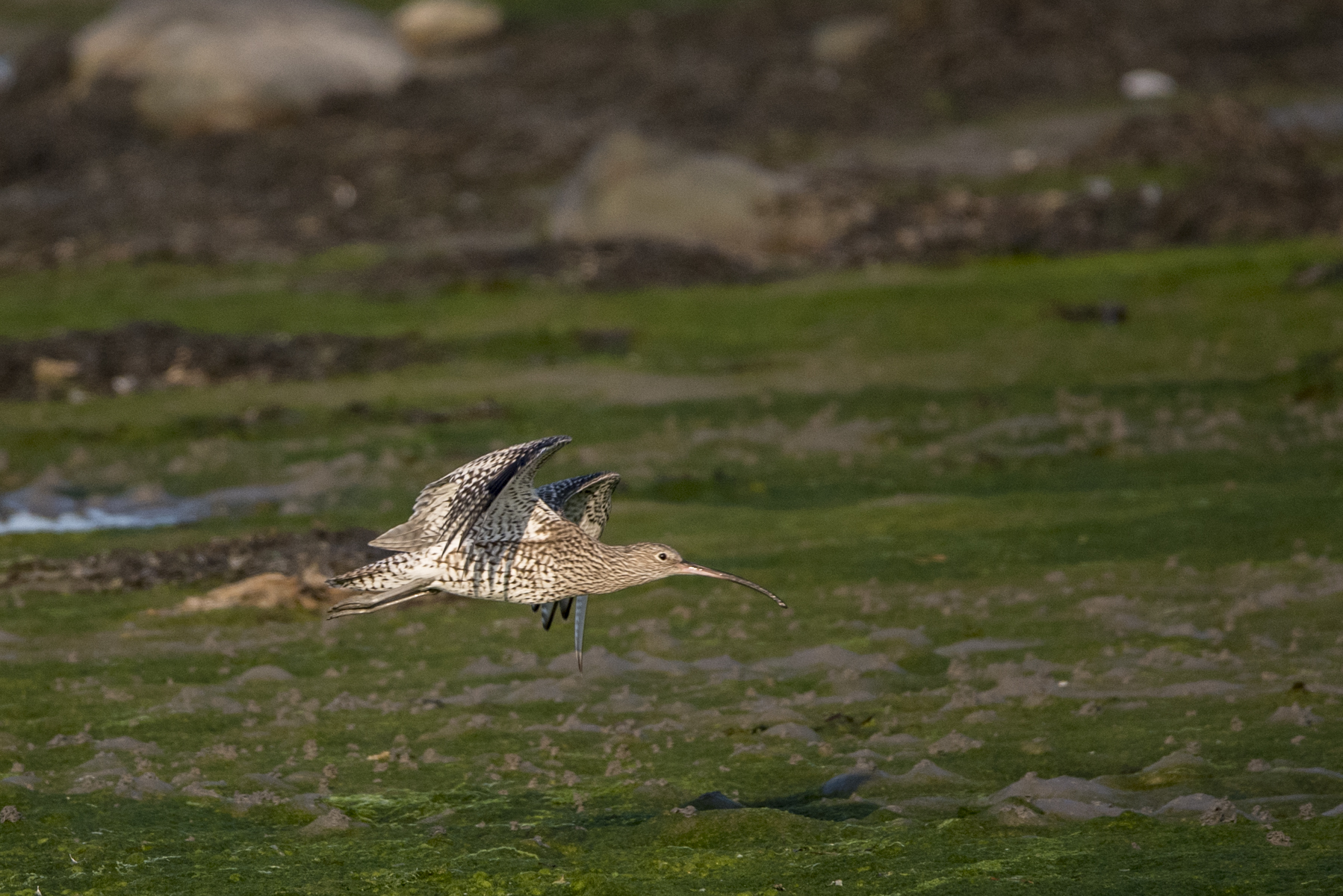
First I hope you are all keeping well and safe where ever you are in the world. Here in the north of Ireland we are back in a four week lockdown but we can still go out to exercise. So when the weather allows I pack the camera and head for the coast. I’m lucky that I have some great mud flats where the sea birds and wading birds feed within a 30 – 40 minutes drive. So the following photographs have been taken over the last few weeks along the County Down coast. Most of them have been shot with a Nikon D750 camera fitted with the Sigma 150 – 600 mm telephoto lens, some handheld and others using a tripod fitted with a gimble head. The following link is a great site for bird information here in Ireland and the UK. https://www.rspb.org.uk/birds-and-wildlife/wildlife-guides/bird-a-z/curlew/
The above is the Curlew ( Numenius arquata) taking off , great fun to watch has they sprint up to take off speed.
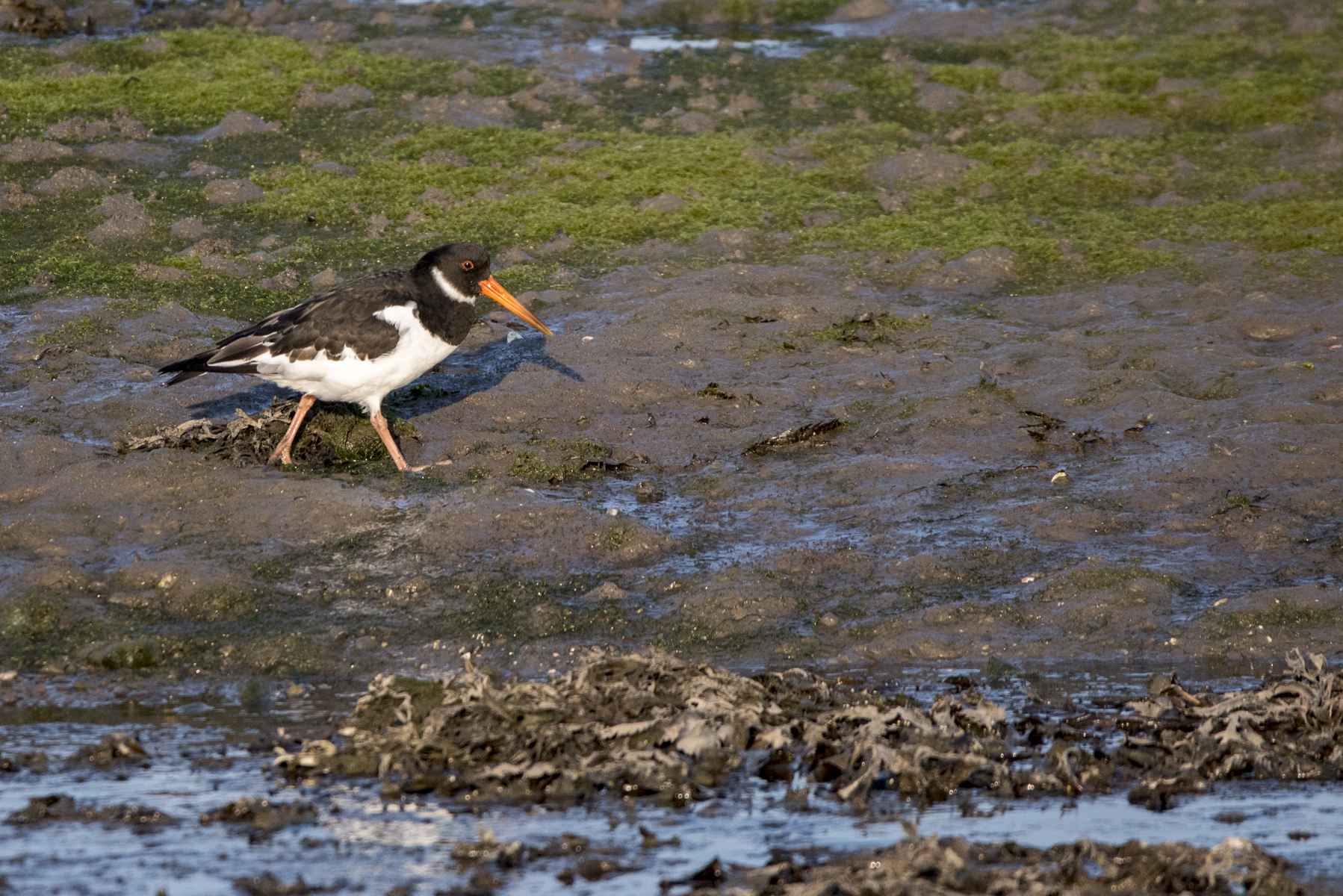
Here we see the Oystercatcher (Haematopus ostralegus) it’s a very distinctive bird with it’s bold black and white plumage, orange beak and legs but most of all that blood red eye.
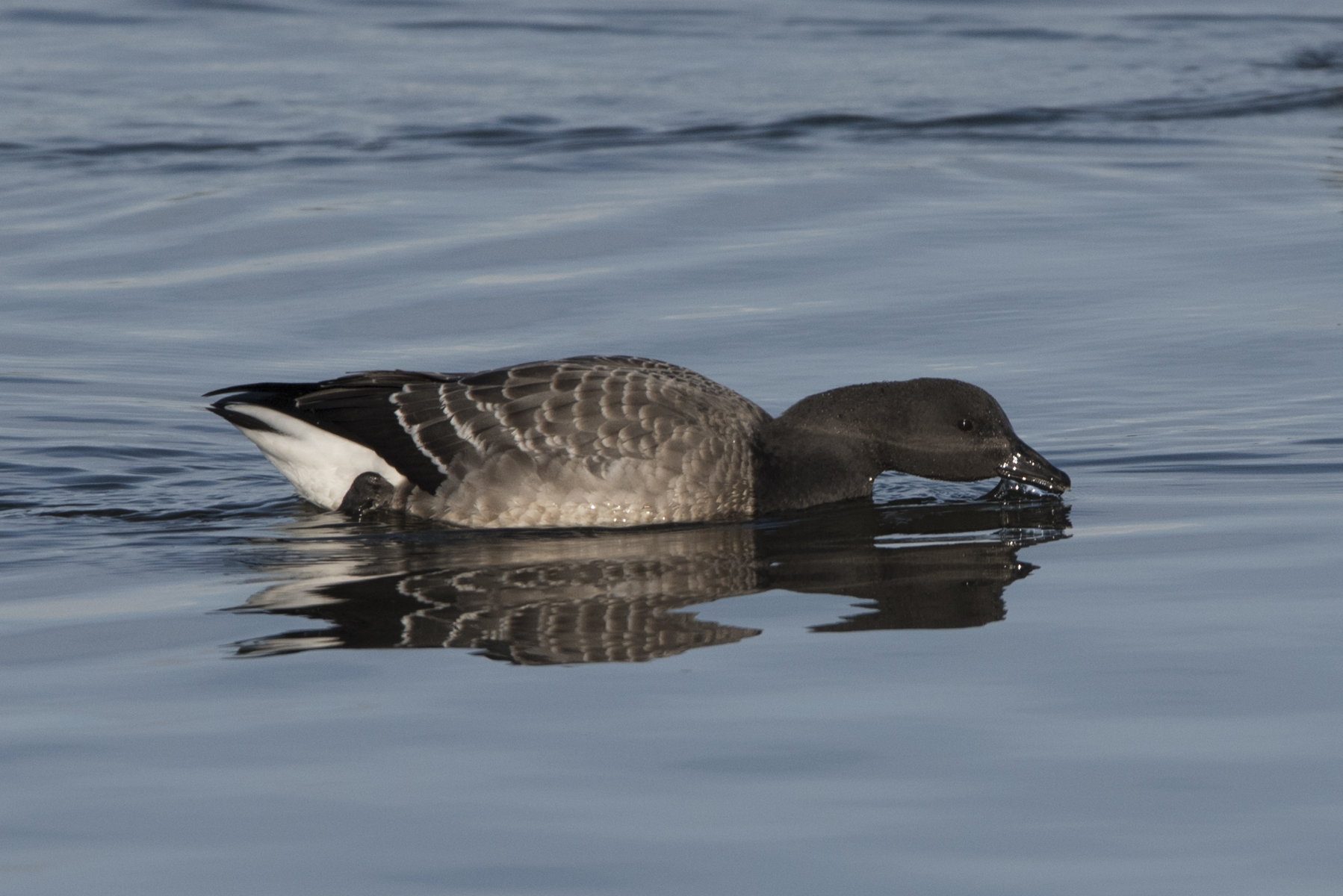
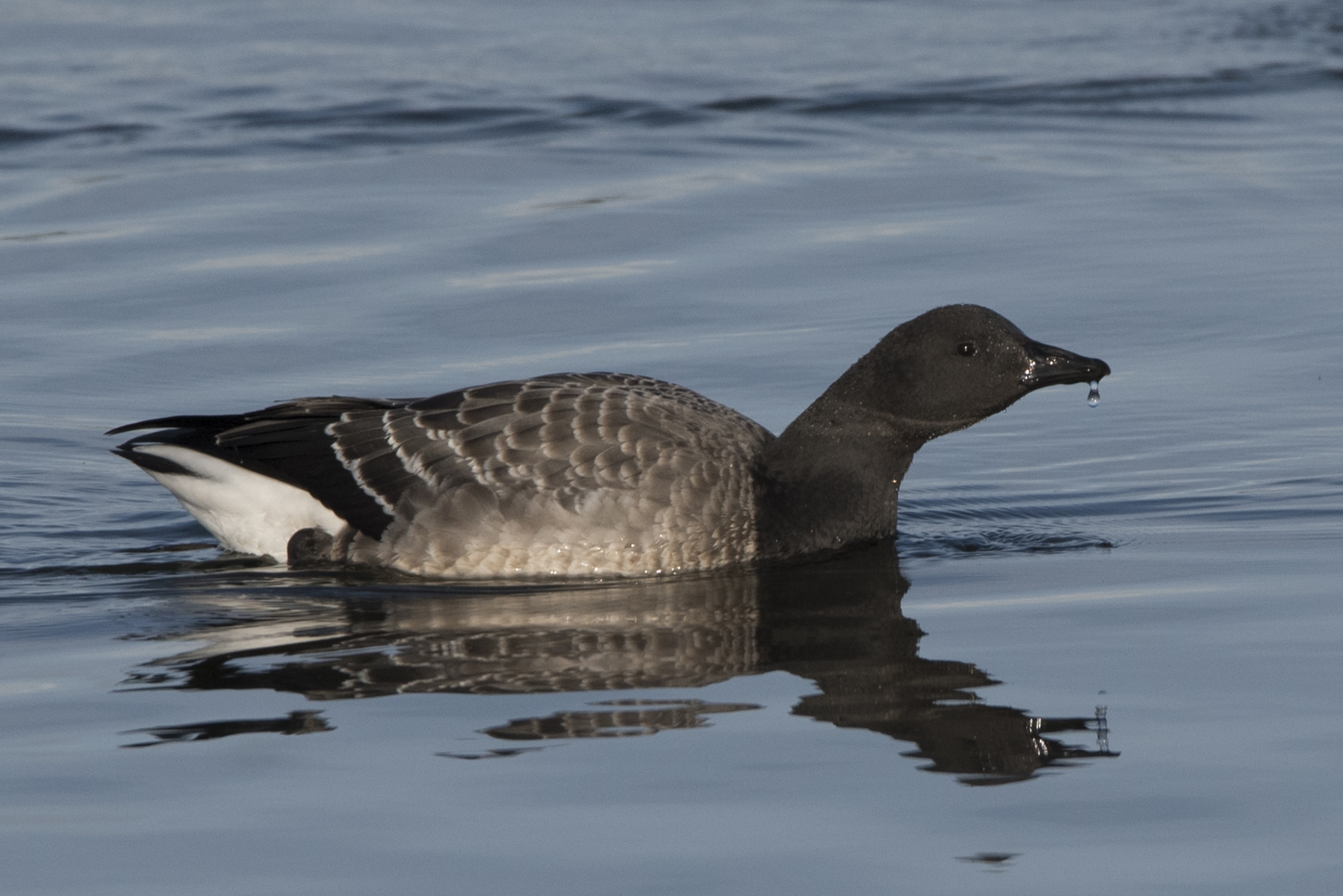
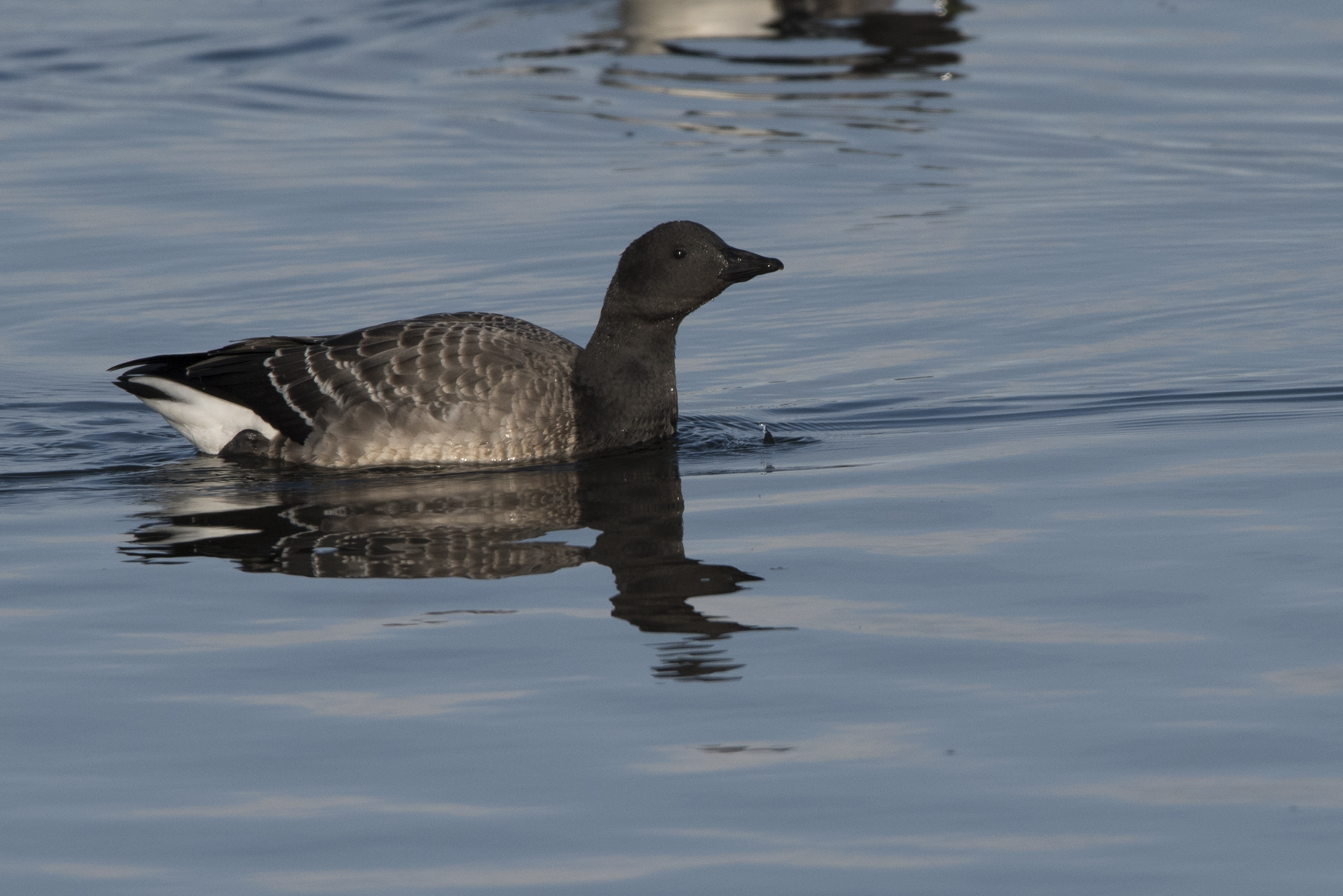
Next the Brent goose ( Branta bernicla) This small goose is similar in size to a mallard duck. Can be hard to get good photographs with the eye showing because of the dark coloured neck and head. With the setting sun behind me it was just right this evening. They are always in a flock and the on singled out here is seen drinking.
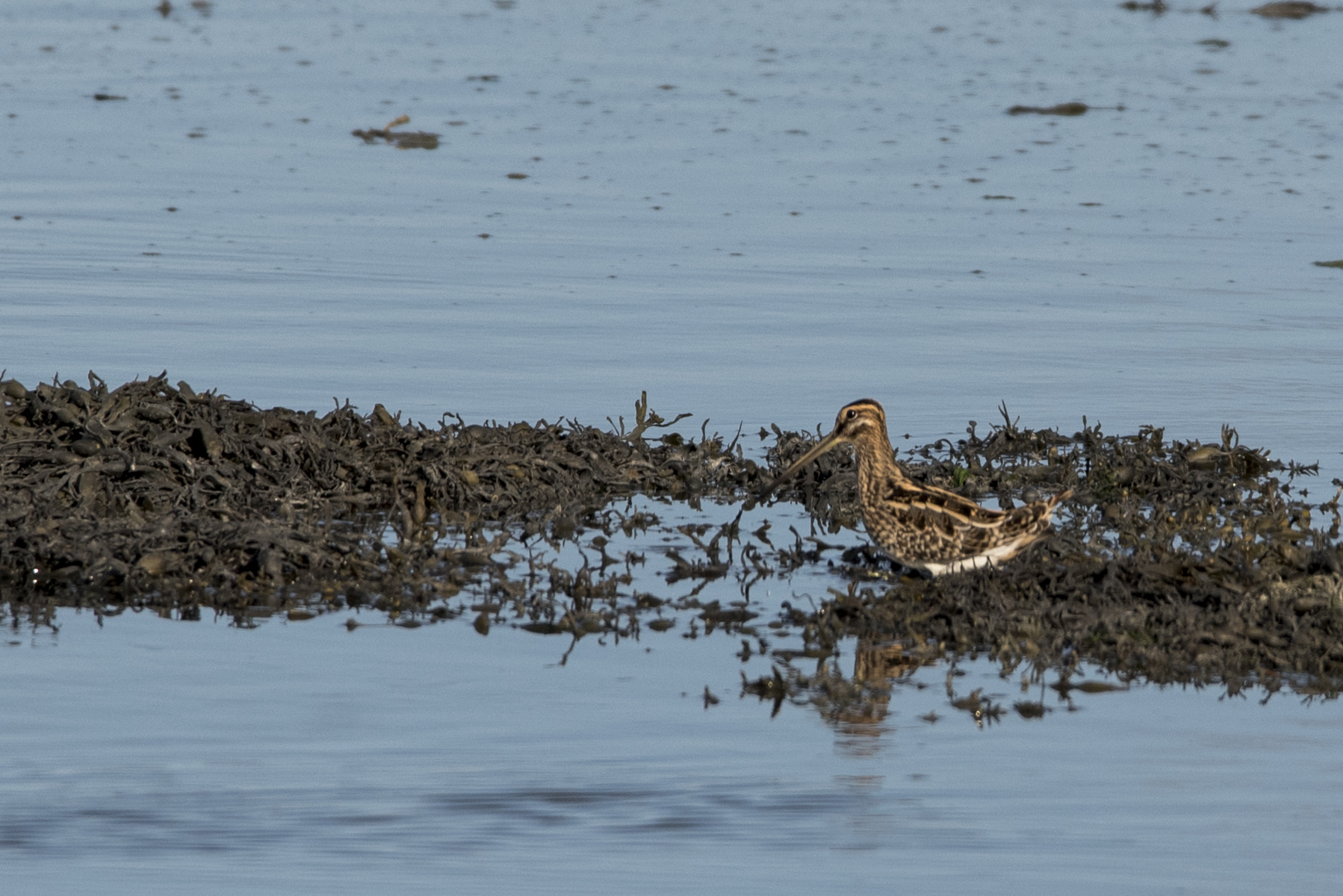
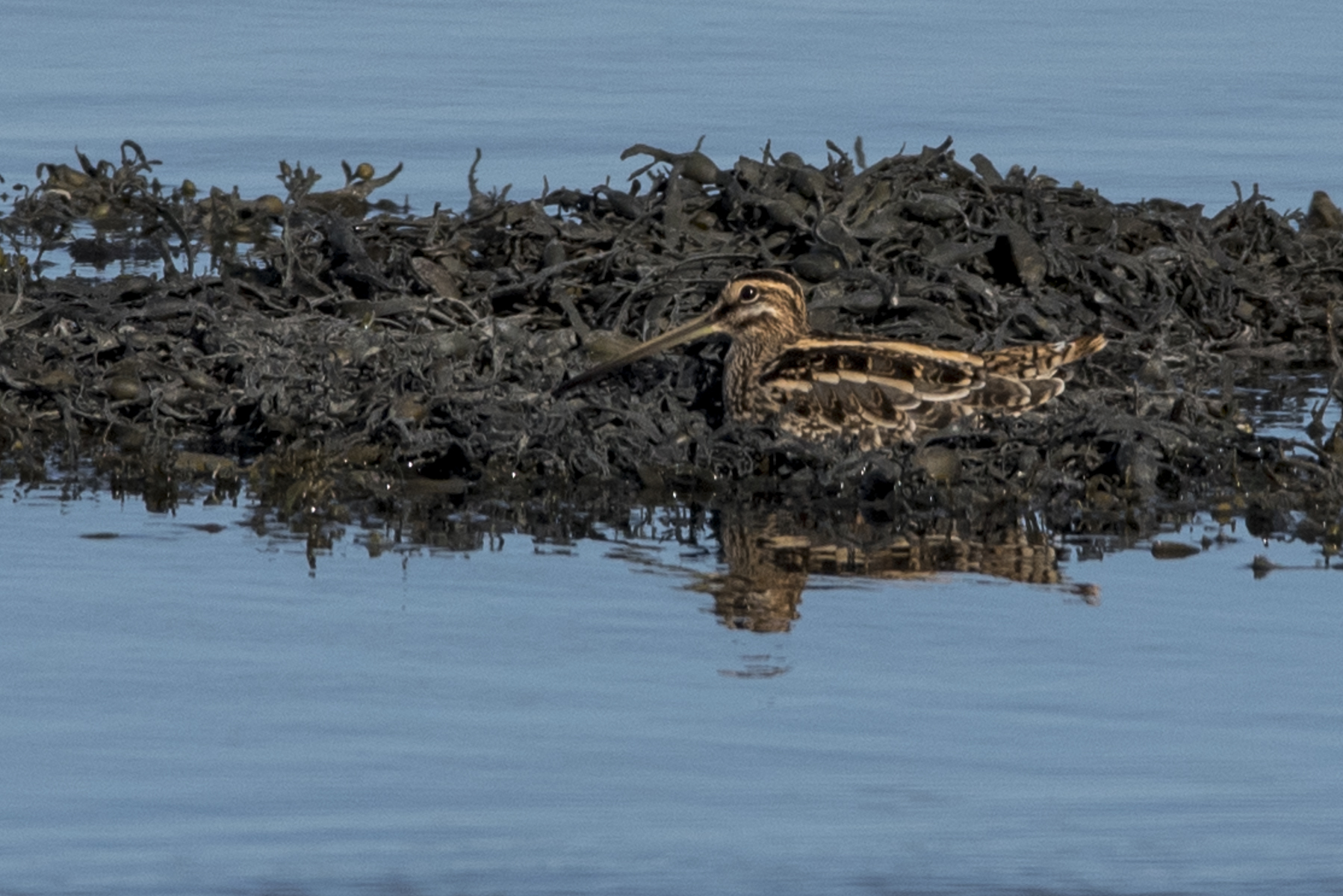
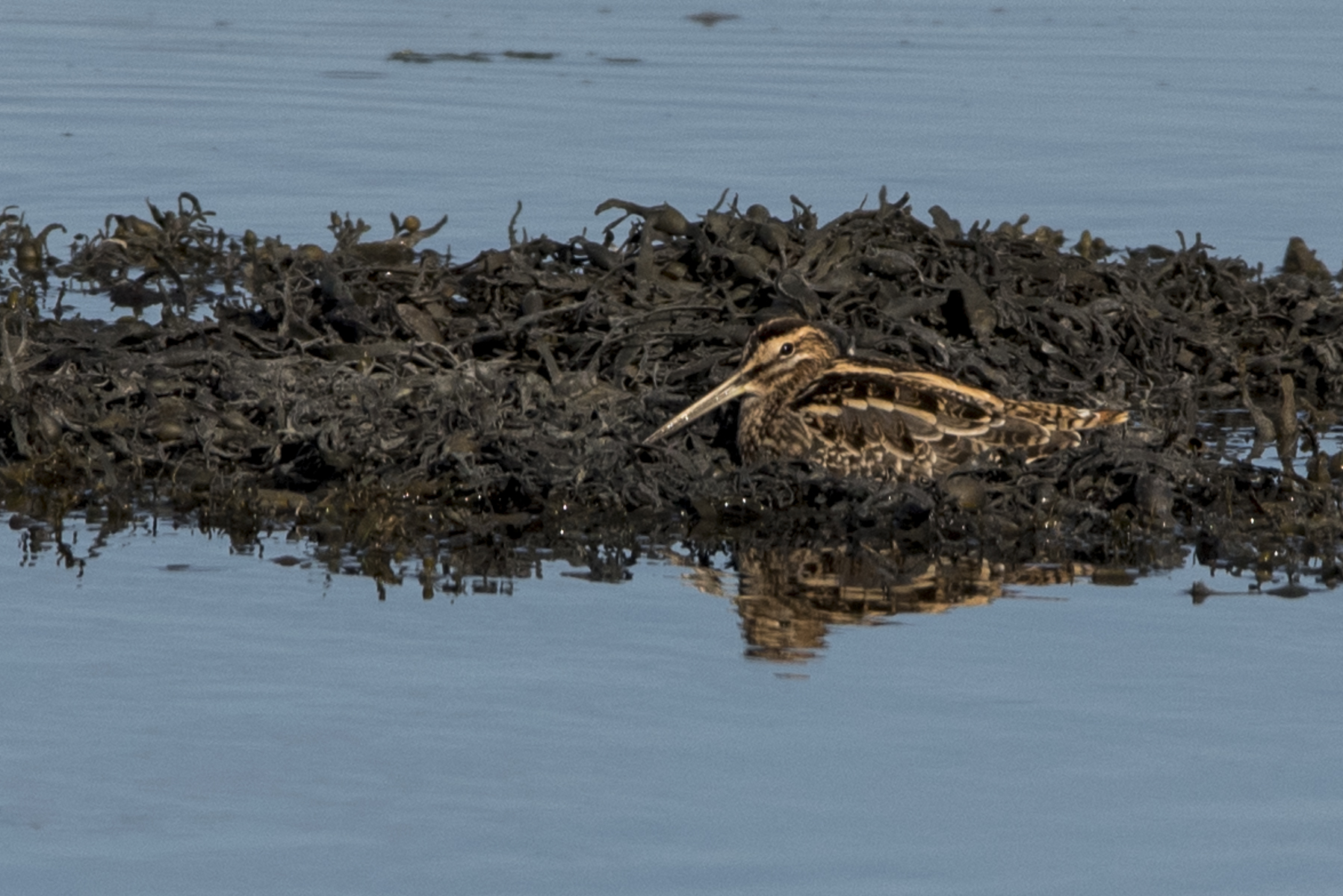
The Snipe(Gallinago gallinago) this is a bird that is getting rare to see here, it’s numbers have declined over the years. When I was a kid at school ( a long time ago) these where common and seen over most marshes daily. I was surprised to see two of them together. The Brent geese disturbed them and these one flew closer to me and nested down into the seaweed.
The Redshank (Tringa totanus) gets it’s name from it’s most distinctive features, their bright orange-red legs. I find these are one of our most common birds along this part of the coast. They can be found in large flocks or today just a few feeding on the incoming tide.
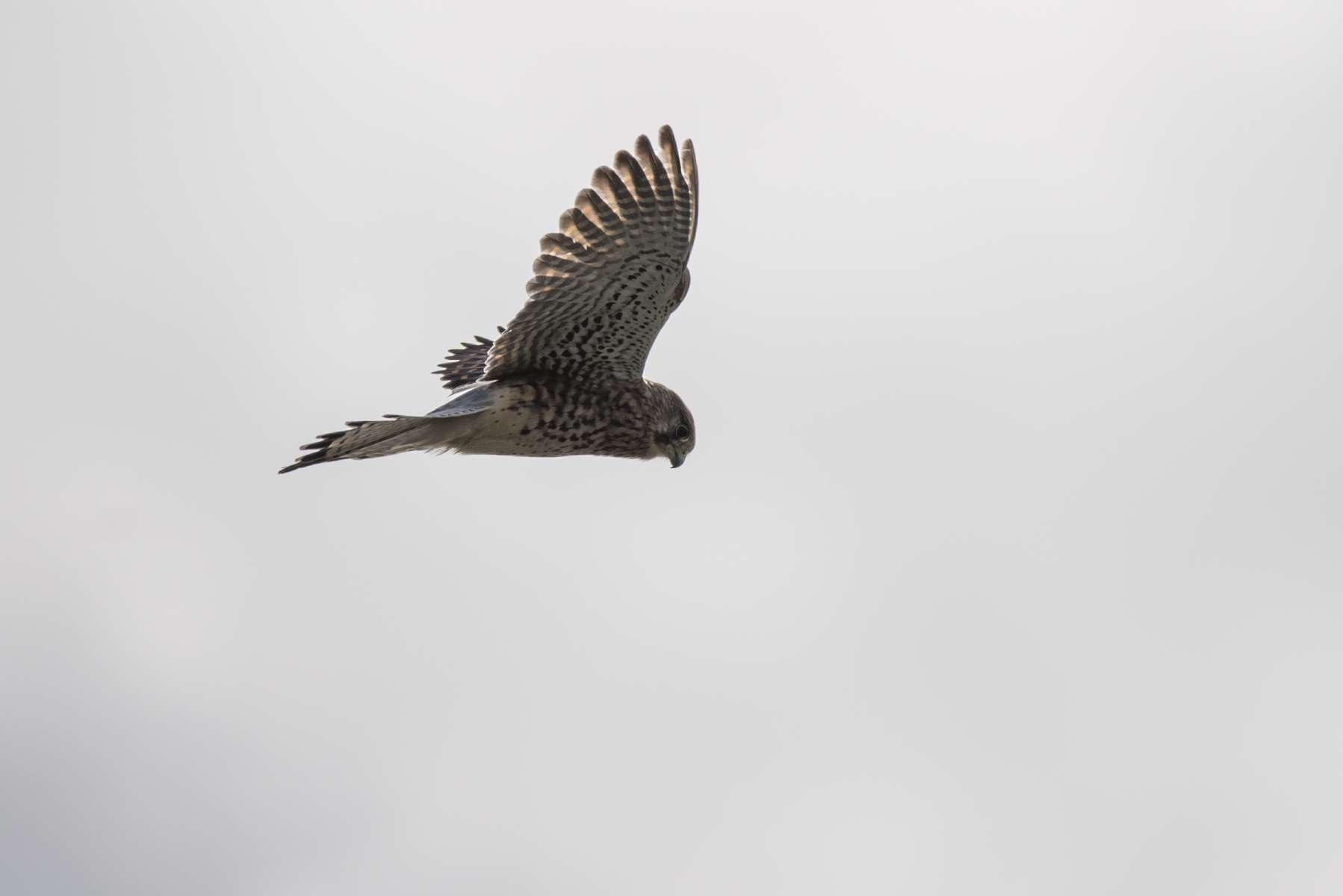
The next photographs where taken from my van when I saw this Kestrel just for the road side. I pulled over and shot a few frames before it moved off.
Kestrel (Falco tinnunculus) these are a small falcon and are often seen as here along the road sides hovering looking for small prey.
The colour is a little weak in these photographs of the Kestrel with the bright sky behind them but since they were part of the coast outings I included them.
Thank you for visiting and I’ll leave you with a image of Portaferry across Strangford lough.
Brent geese with Portaferry in the back ground and Windmill hill on the right.
This weeks photograph is Lambeg parish church. It sits on the banks of the River Lagan a few miles from Lisburn. The first church dates back to 1598 with the possibly of one going as far back as 1306.
The oldest tome stone found in the graveyard dates back to 1626.























 George McNeill Photography
Leave a comment